In an era where the line between human creativity and digital processing is becoming increasingly blurred, Jodie Foster, one of the most iconic figures in global cinema, has made a statement that sent shockwaves through the industry. Her critique wasn't merely about the quality of a film, but the very ontology of modern production. Referring to recent box office hits—with clear nods to 'Deadpool & Wolverine'—Foster argued that certain movies feel as though they were 'written by Artificial Intelligence.'
The Formula of Predictability
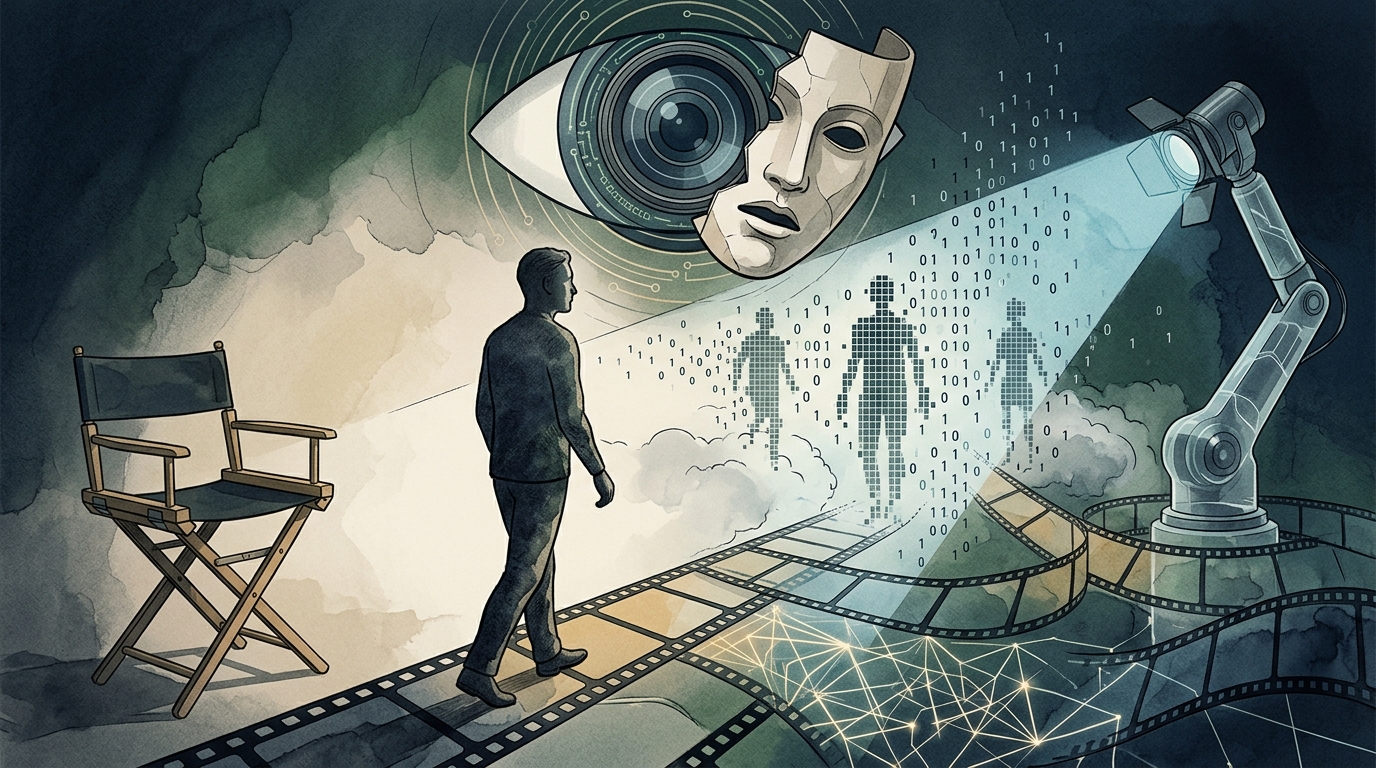
Foster, speaking with her characteristic candor, clarified that her observation was not derogatory toward commercial success. "The movie made hundreds of millions of dollars," she noted, acknowledging the power of the market. However, her argument delves into a structural shift: the transition from auteur cinema to algorithmic cinema. When a film follows a tried-and-tested recipe so closely, when every joke, every action sequence, and every emotional beat seems mathematically calculated to satisfy the global average audience, then art begins to resemble a software product.
Foster's use of the term "Artificial Intelligence" serves as a metaphor for a lack of authenticity. She isn't necessarily implying that a computer wrote the script, but that human intervention has been reduced to executing the commands of a system that demands "more of the same." In the Hollywood of 2026, the pressure for guaranteed Return on Investment (ROI) has led major studios down a safe path where experimentation is viewed as a financial liability.
The Ethics of Creation and the Threat of Automation
Foster's intervention comes at a critical juncture for labor relations in the entertainment industry. Following the major strikes of writers and actors in 2023, the use of AI remains the most burning issue at negotiation tables. The concern is not just whether AI will replace humans, but whether humans will start writing like AI to keep their jobs.
- The loss of "artistic dissonance" that makes a film unique.
- The homogenization of global culture through repetitive patterns.
- The risk of degrading the critical thinking of the audience.
"If we train the audience to feed only on algorithmically processed content, we will lose the ability to appreciate the unpredictable and the deeply human," Foster seems to warn.
The Future: Art or Digital Consumer Product?
The dilemma posed by the actress is existential for cinema. If movies that "look like AI" continue to dominate the box office, studios will have every reason to eventually replace expensive screenwriters with actual generative AI models. Foster, a director herself, defends the "mistake," the "imperfection," and the personal stamp that no algorithm can fully replicate—at least not yet.
The conversation she opened isn't just about Hollywood. It's about every form of art facing mass production. The challenge for future creators will be to use technology as a tool rather than a master, maintaining the ability to surprise an audience that has grown accustomed to the safety of repetition. Jodie Foster reminds us that the true value of cinema is not measured only in dollars, but in the footprint it leaves on the human soul.