The political landscape of Michigan is transforming into a critical testing ground for the intersection of democracy and artificial intelligence. The recent confrontation between Nancy Brink and Jeff Maasdam, ignited by a supporter’s complaint regarding alleged AI use in advertisements by a Political Action Committee (PAC), is far more than a local skirmish. It represents the front line of a global crisis of confidence, where digital tools can fabricate realities that sway the electorate.
The Anatomy of a Digital Complaint
The case began when Brink’s supporters noticed unusual artifacts and inconsistencies in campaign materials distributed by a PAC aligned with Maasdam. The allegations center on the potential use of generative AI to create deceptive imagery or manipulate Brink’s voice, aiming to present a distorted view of her policy positions. What makes the Michigan case particularly significant is that the state has already enacted rigorous laws requiring clear disclosure of any political content produced using AI.
Brink has openly accused Maasdam of permitting the erosion of democratic norms, while Maasdam’s camp and the associated PACs deny any wrongdoing, asserting that the ads constitute legitimate political speech. However, the difficulty in proving AI usage—the so-called "detection problem"—makes the enforcement process exceptionally complex. Forensic analyses of digital content often lag behind the rapid news cycle, allowing a misleading ad to complete its viral journey and influence voters long before an official ruling is issued.
Legal Frameworks and the 'Liar’s Dividend'
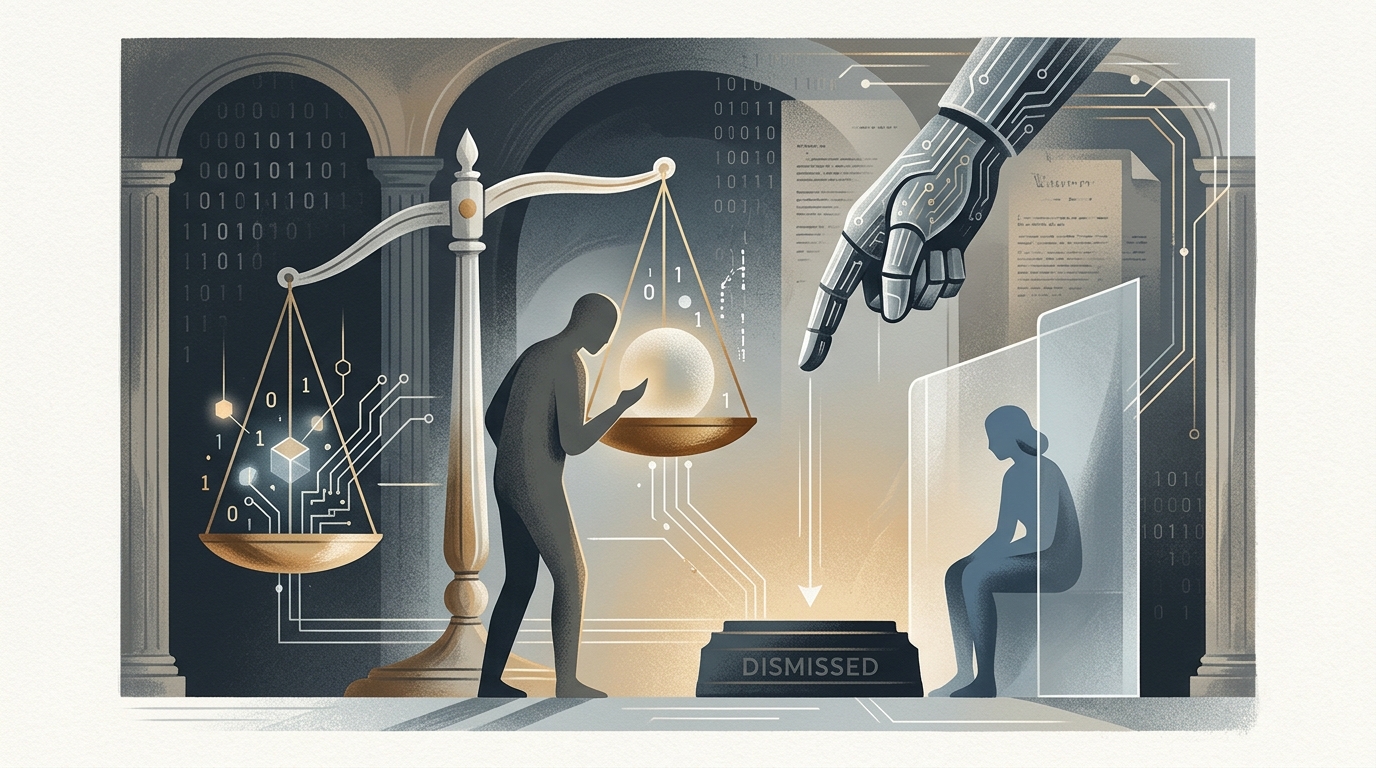
Michigan led the way in 2023 and 2024 by passing a suite of laws (such as HB 5141-5146) targeting deepfakes. This legislation requires campaigns to include an explicit disclaimer if AI is used in video, audio, or images that depict candidates in false contexts. The current Brink-Maasdam dispute serves as the first real-world stress test for these laws. If the complaint is upheld, it will be a victory for transparency. However, if it is dismissed, a different danger looms: the "Liar’s Dividend."
This phenomenon describes a situation where politicians can dismiss genuine, incriminating evidence against them (such as a real video or recording) by simply claiming it is an "AI-generated fake." In the Michigan case, we see the inverse: the accusation of AI use is being wielded as a political weapon to tarnish an opponent's credibility, regardless of whether the technology was actually employed. This ambiguity creates an environment where the average citizen ceases to believe anything they see or hear, leading to total alienation from the political process.
The Ethical Responsibility of PACs and Platforms
Political Action Committees (PACs) often operate in a "gray zone," as they are legally separate from a candidate's official campaign. This autonomy allows them to employ more aggressive, and sometimes ethically questionable, tactics. The use of AI by such groups accelerates content production and slashes costs, enabling the mass dissemination of hyper-targeted messages that can shift dynamically based on audience reactions.
- Transparency: The need for watermarking and robust metadata to prove content provenance is now mandatory for maintaining trust.
- Platform Responsibility: Social media giants like Facebook and X (formerly Twitter) are under immense pressure to implement faster verification mechanisms, especially during election windows.
- Media Literacy: Legislation alone is insufficient. Voters must be educated to recognize the subtle hallmarks of digital manipulation.
In conclusion, the dispute in Michigan is a harbinger of what is to come in future major elections worldwide. Artificial intelligence is not just a new tool in the propaganda arsenal; it is a technology that fundamentally alters our relationship with visual and auditory evidence. Addressing this challenge requires a delicate balance between protecting free speech and safeguarding the truth—a balance that Michigan’s lawmakers are now struggling to maintain under the heavy weight of political scrutiny.