The meteoric rise of Artificial Intelligence (AI) over the past few years has been framed as a new industrial revolution, promising to solve everything from complex medical diagnoses to the climate crisis itself. However, behind the sleek interfaces of modern chatbots and the speed of generative AI lies a harsh, physical reality: an insatiable thirst for electricity, water, and rare natural resources. According to recent analyses, if the AI sector were considered a sovereign nation, its total energy consumption would place it 11th in the world, surpassing highly industrialized countries and straining national power grids.
The Energy Footprint of Data Centers
The heart of AI beats within massive data centers—digital powerhouses housing thousands of Graphics Processing Units (GPUs). Training a single large language model, such as GPT-4, requires energy equivalent to powering hundreds of households for years. Yet, training is just the tip of the iceberg. The "inference" phase—the moment a user submits a prompt and receives a response—accounts for the vast majority of total consumption, as millions of users interact with these models daily.
This consumption is not just a matter of quantity but of infrastructure. Power grids in regions like Northern Virginia in the US or Ireland are reaching their breaking point. Tech giants like Microsoft, Google, and Amazon are investing billions in renewable energy, but demand is outstripping the supply of "green" power. This often leads to the extended operation of coal or natural gas plants that were slated for decommissioning, effectively neutralizing the environmental commitments of these corporations.
The Hidden Water Consumption
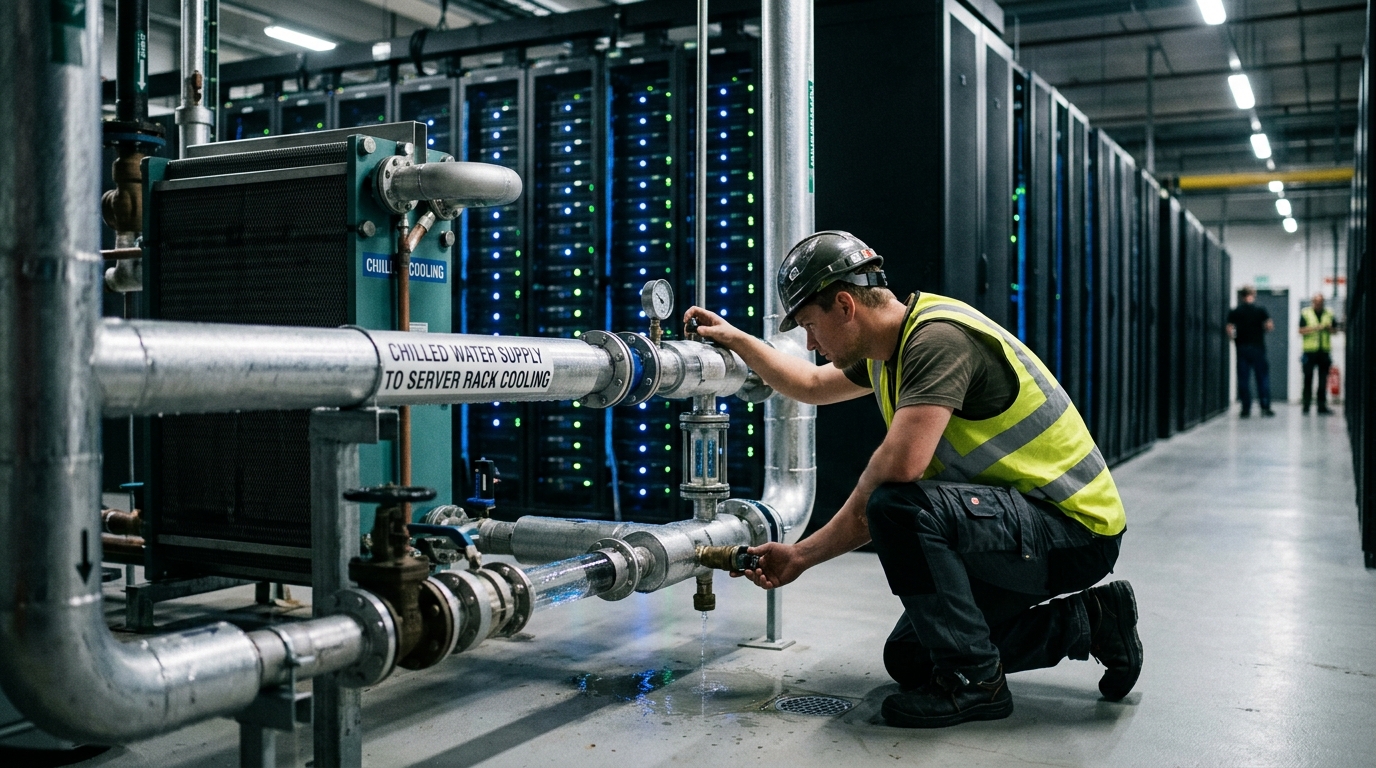
Beyond electricity, AI demands staggering amounts of water to cool its servers. Data centers generate immense heat, and evaporative cooling systems are the most efficient way to prevent hardware failure. It is estimated that for every 20 to 50 queries submitted to a chatbot, the system "consumes" approximately half a liter of fresh water. During periods of drought, this usage comes into direct conflict with the needs of local communities and agriculture.
- Training Meta's Llama 3 is estimated to have consumed millions of liters of water.
- Many data centers are built in water-stressed regions due to tax incentives and land availability.
- Transparency regarding water usage remains low, with companies often citing trade secrets to avoid disclosure.
Geopolitics and Rare Earth Minerals
The physical existence of AI is also predicated on the mining of rare earth elements and metals like lithium, cobalt, and copper, essential for manufacturing semiconductors and energy storage systems. The extraction of these resources is frequently associated with environmental degradation and unethical labor practices in the Global South. The West's reliance on specific supply chains creates a new geopolitical friction, where "digital sovereignty" is inextricably linked to the control of mines.
"We cannot have 'smart' technology based on 'dumb' management of our resources," sustainability experts warn, emphasizing that algorithmic efficiency must go hand-in-hand with ecological consciousness.
Towards a Sustainable AI?
The solution is not to reject the technology but to redesign it. The concept of "Green AI" promotes the development of algorithms that require less computational power. Meanwhile, the European Union, through the AI Act, is beginning to establish rules for the mandatory reporting of the environmental footprint of large-scale models. The challenge for 2026 and beyond will be decoupling technological progress from environmental destruction. Without radical changes in how we build and deploy AI, our digital intelligence risks leaving behind a very analog, broken planet.