

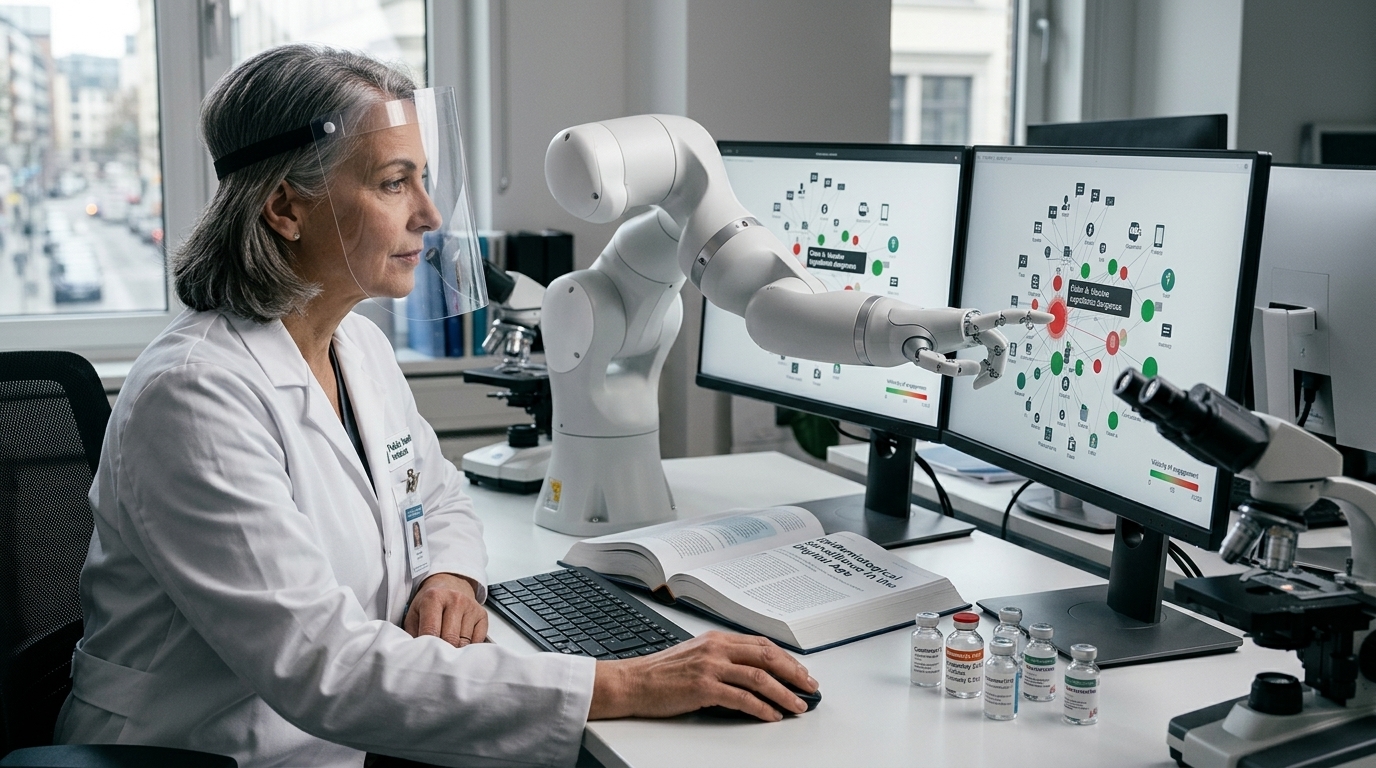
Artificial Intelligence (AI) is radically reshaping how health information is produced and consumed. While offering significant advantages in diagnostics and communication, Professor Theodora Psaltopoulou warns of the growing threat of automated misinformation, which is reaching unprecedented levels of plausibility.
The New Face of Misinformation
According to a systematic review recently published in BMC Public Health, AI makes the creation of fake news easier, faster, and more convincing. These tools can generate texts with a "scientific" tone and fake references, making it difficult for the public to discern their validity. The problem is exacerbated by the fact that existing AI content detection systems are not yet sufficiently reliable.
On social media, misinformation spreads rapidly because it targets emotions—such as fear or anger—rather than truth. AI allows for the personalization of these messages, tailoring them to different groups like parents or the elderly, making them more pervasive and persuasive.
The Vaccine Battlefield
Vaccination is a primary target of this trend. Despite the historical contribution of vaccines to eradicating diseases, false claims about their safety continue to fuel hesitancy, undermining collective population protection.
AI as Part of the Solution
Paradoxically, technology can also be part of the cure. A study in the journal Vaccine showed that AI-generated messages can correct misconceptions, especially when tailored to the recipient's personality. However, this approach requires caution; for individuals with deep-seated pseudo-scientific beliefs, such messages can sometimes backfire.
Ultimately, AI remains a tool and not a replacement for healthcare professionals. Clinical examinations, prescribing, and legal responsibility remain exclusively human tasks, necessitating transparency and constant supervision.




