Artificial intelligence is increasingly permeating the recruitment process, yet candidates are not embracing it with the same enthusiasm. According to a Greenhouse survey, nearly 4 in 10 candidates in the US have withdrawn from a hiring process due to AI, while only 8% believe this technology makes hiring fairer.
Cold and Impersonal Procedures
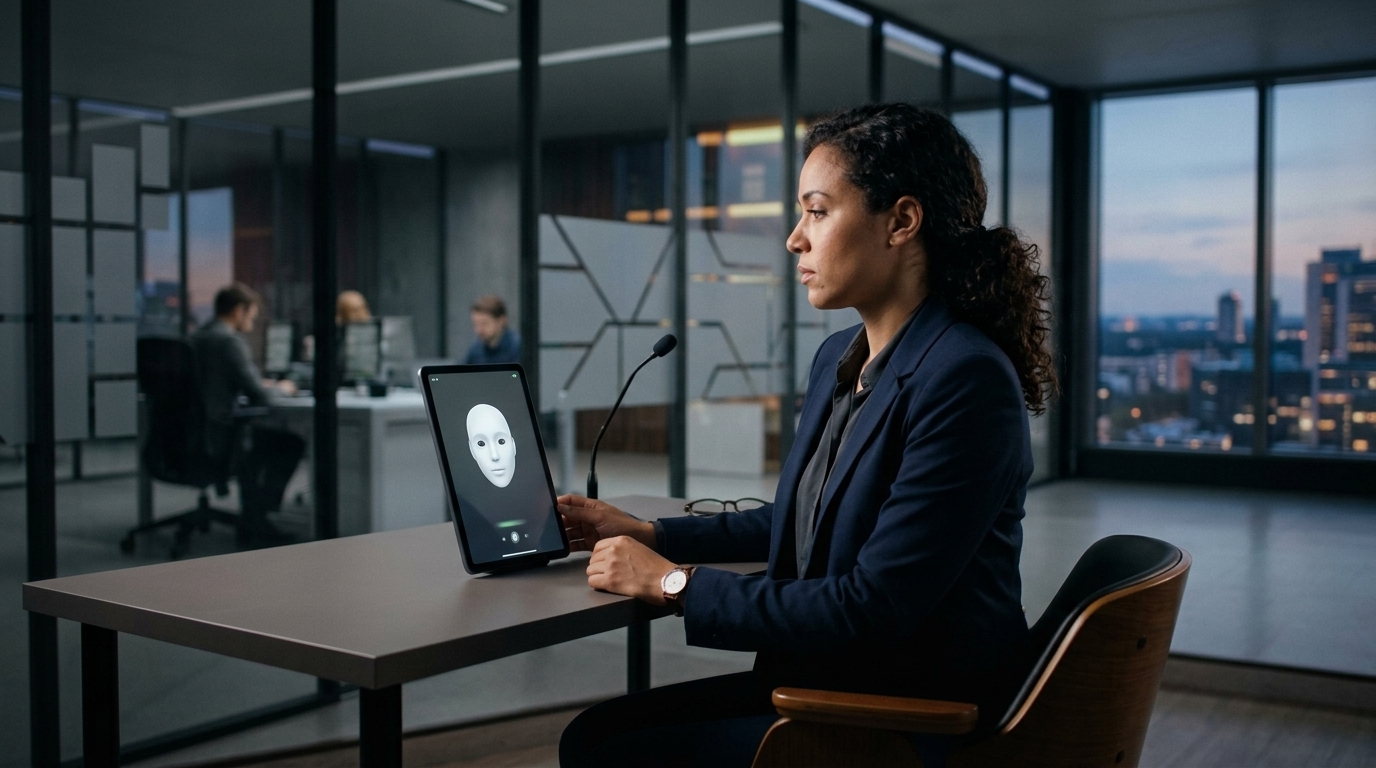
Candidate distrust is vividly reflected on social media, where AI interviews are described as "cold," "impersonal," or even "insulting." The primary complaint is the lack of human interaction and the system's inability to ask follow-up questions in real-time, which limits the depth of the evaluation.
Furthermore, tools such as eye-tracking software are sparking backlash. These systems link direct eye contact with authenticity, raising serious concerns about discrimination against individuals with disabilities or different racial characteristics.
The Risk of the Algorithmic "Filter"
One of the most concerning findings involves the use of identical algorithms by multiple employers. A study published in May identified racial disparities, with Black and Asian candidates being disproportionately affected. When companies use the same software vendors, a candidate rejected by one system risks being automatically excluded from many other job opportunities, creating a cycle of systemic exclusion.
Employers Prioritize Speed
Despite the pushback, businesses are not backing down. A LinkedIn survey of 6,500 HR professionals shows that two-thirds plan to increase their use of AI this year. Employers state that AI helps in making faster decisions (70%) and improving the process, especially during a period when identifying suitable talent is considered more difficult than ever.