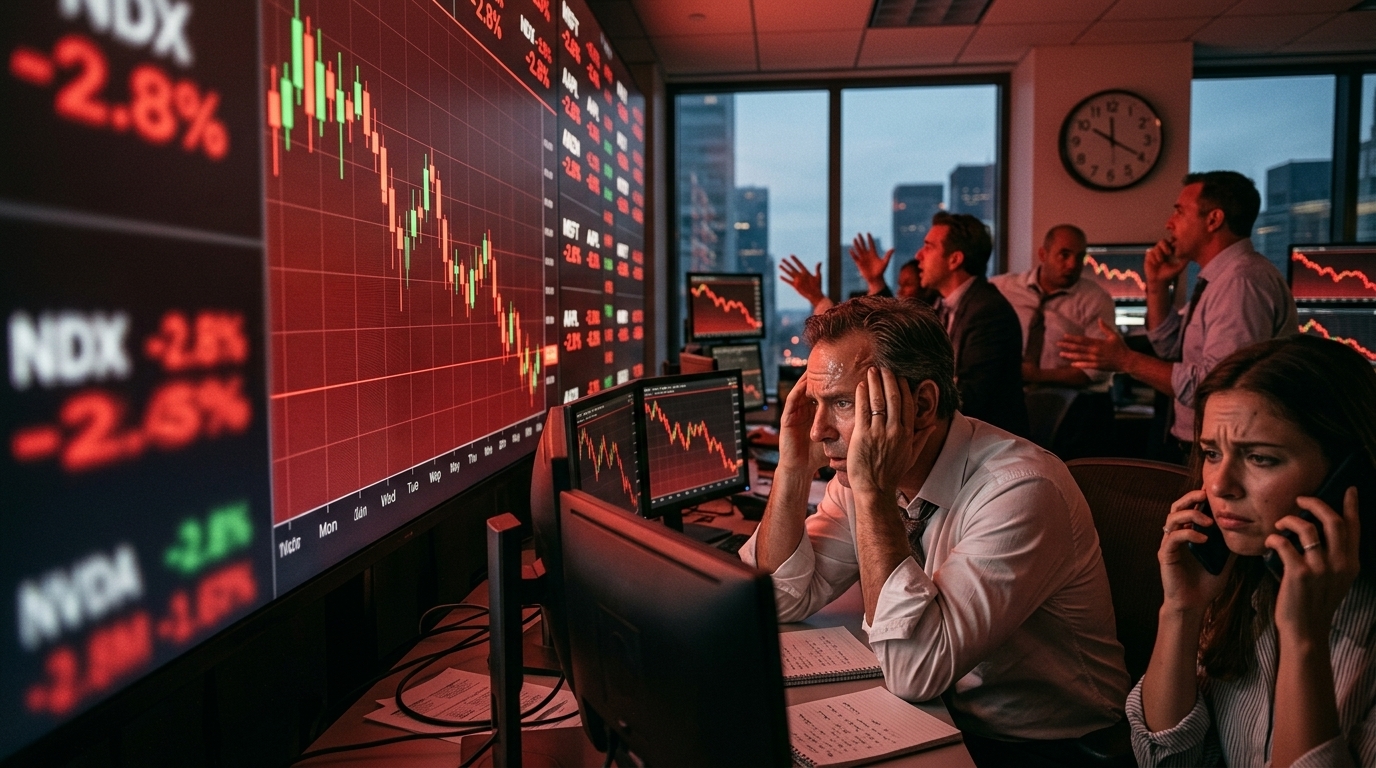
The recent volatility in global markets, culminating in a historic wipeout of over $1 trillion in market capitalization from the Nasdaq index, is more than just a temporary price correction. It marks the first definitive sign that the "age of innocence" for Artificial Intelligence (AI) has come to an end. Investors, who for months fueled a rally based on utopian promises, have suddenly begun demanding tangible proof of returns on the massive capital being poured into AI infrastructure.
The Discontent Over Capital Expenditure (CapEx)
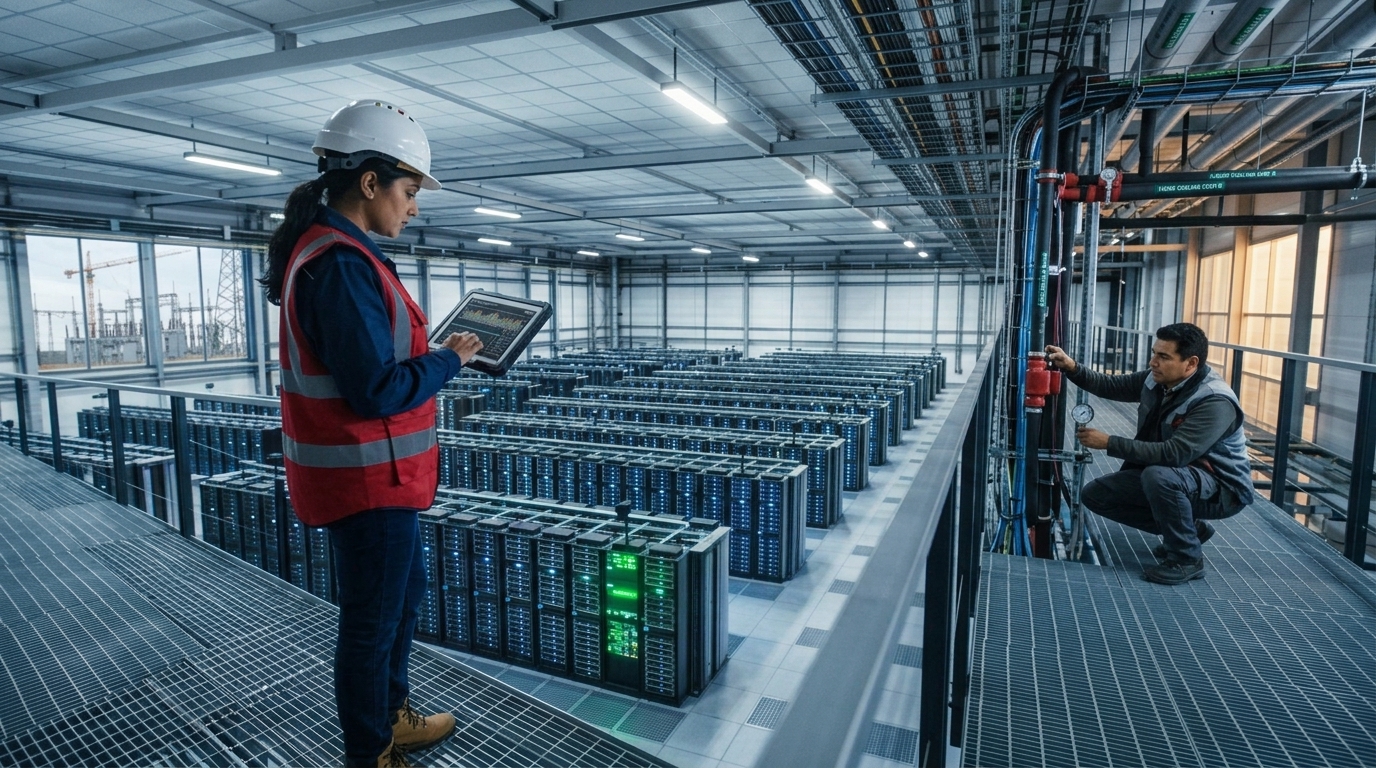
The core of investor anxiety lies within the financial reports of the tech giants, the so-called "Hyperscalers." Companies like Alphabet (Google) and Microsoft posted impressive revenue figures, yet the markets fixated on a different metric: skyrocketing Capital Expenditure (CapEx). Alphabet, for instance, announced billions in spending on data centers and semiconductors, but struggled to specify exactly when these investments would translate into a significant boost in operating margins.
Wall Street appears to be losing patience with the "build it now, monetize it later" narrative. As analysts from Goldman Sachs have pointed out, the history of technological revolutions shows there is always a lag between infrastructure build-out and commercial exploitation. However, in the case of AI, the costs are so astronomical that even the world's wealthiest corporations are finding it hard to justify the long-term sustainability of the model. There is a growing fear of an "infrastructure bubble," where the supply of computing power far outstrips actual demand from enterprises and consumers.
The Great Rotation and Geopolitical Instability
The selloff isn't solely due to skepticism surrounding AI. We are witnessing a "Great Rotation" of capital. As U.S. inflation shows signs of cooling, markets are pricing in imminent rate cuts from the Federal Reserve. This is prompting investors to pull liquidity out of overvalued Big Tech stocks and redirect it toward small-cap companies (Russell 2000) and traditional economic sectors that benefit from lower borrowing costs.
Simultaneously, the semiconductor sector, led by Nvidia, is facing immense pressure from the geopolitical front. Rumors of stricter U.S. export controls on technology to China, combined with political uncertainty ahead of the U.S. elections, have created a volatile environment. ASML and Tokyo Electron, critical links in the global chip supply chain, saw their shares plummet, dragging the entire Silicon Valley ecosystem down with them. The global economy's dependence on a handful of chip manufacturers is now being viewed as one of the most significant systemic risks in the market.
From Hype to Reality: The Next Phase
Despite the downturn, it would be a mistake to dismiss AI as a fad. Instead, the market is entering a phase of maturity. The first phase was about excitement and building the tools (LLMs, GPU clusters). The second phase, which we are entering now, is about application and productivity. Software companies must now prove that the AI features they are integrating into their products offer real-world value that customers are willing to pay for.
- Valuation Reassessment: P/E ratios exceeding 40 or 50 for software companies are no longer viewed as defensible without extraordinary growth.
- Focus on Software: Following the hardware rally (Nvidia), interest is shifting toward firms that can successfully embed AI into critical business processes.
- Increased Selectivity: Investors will stop blindly buying anything with an "AI" label, focusing instead on those with healthy cash flows and clear monetization paths.
In conclusion, Wall Street is sending a clear message to Silicon Valley: the era of free money and unlimited faith in future promises is over. AI must start "paying its bills." This correction, while painful for portfolios, may prove healthy, as it clears the field of excesses and allows truly innovative forces to lead the next economic cycle.