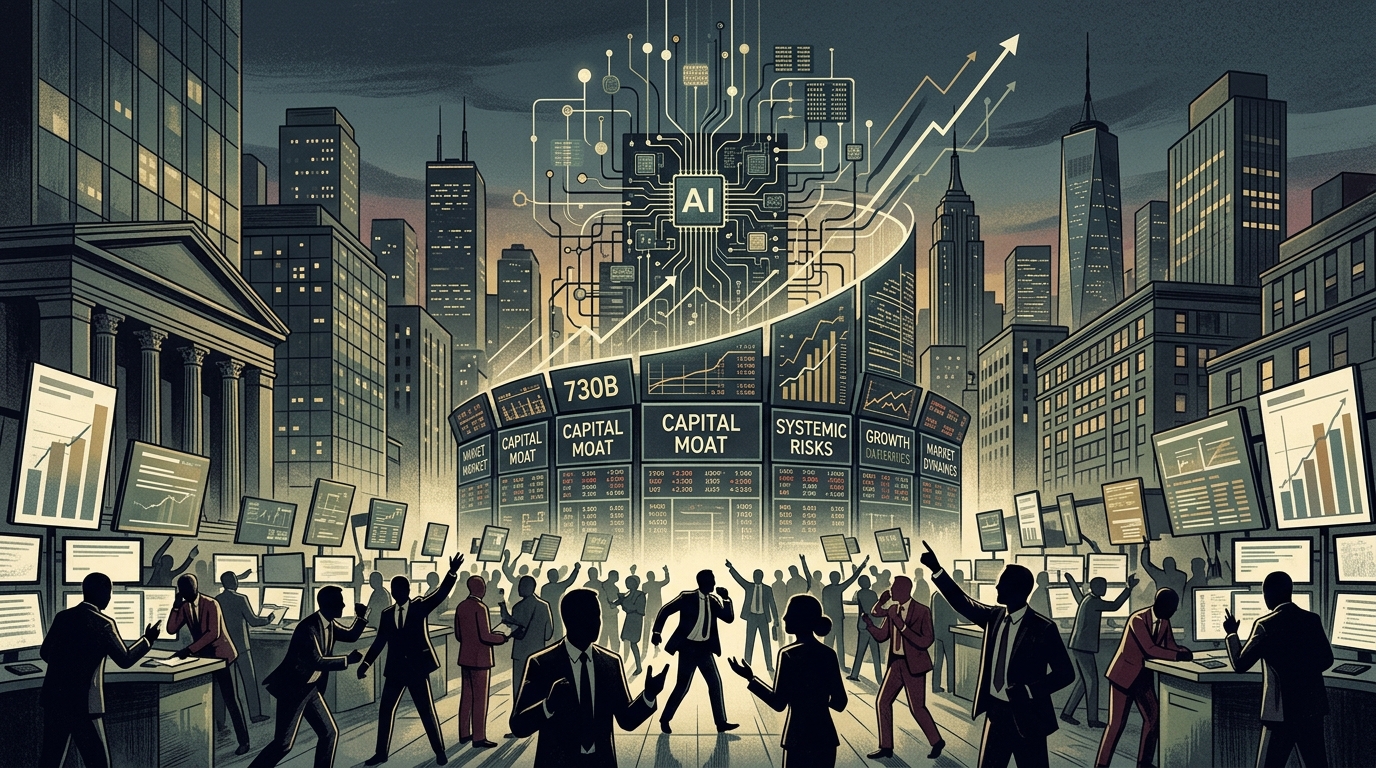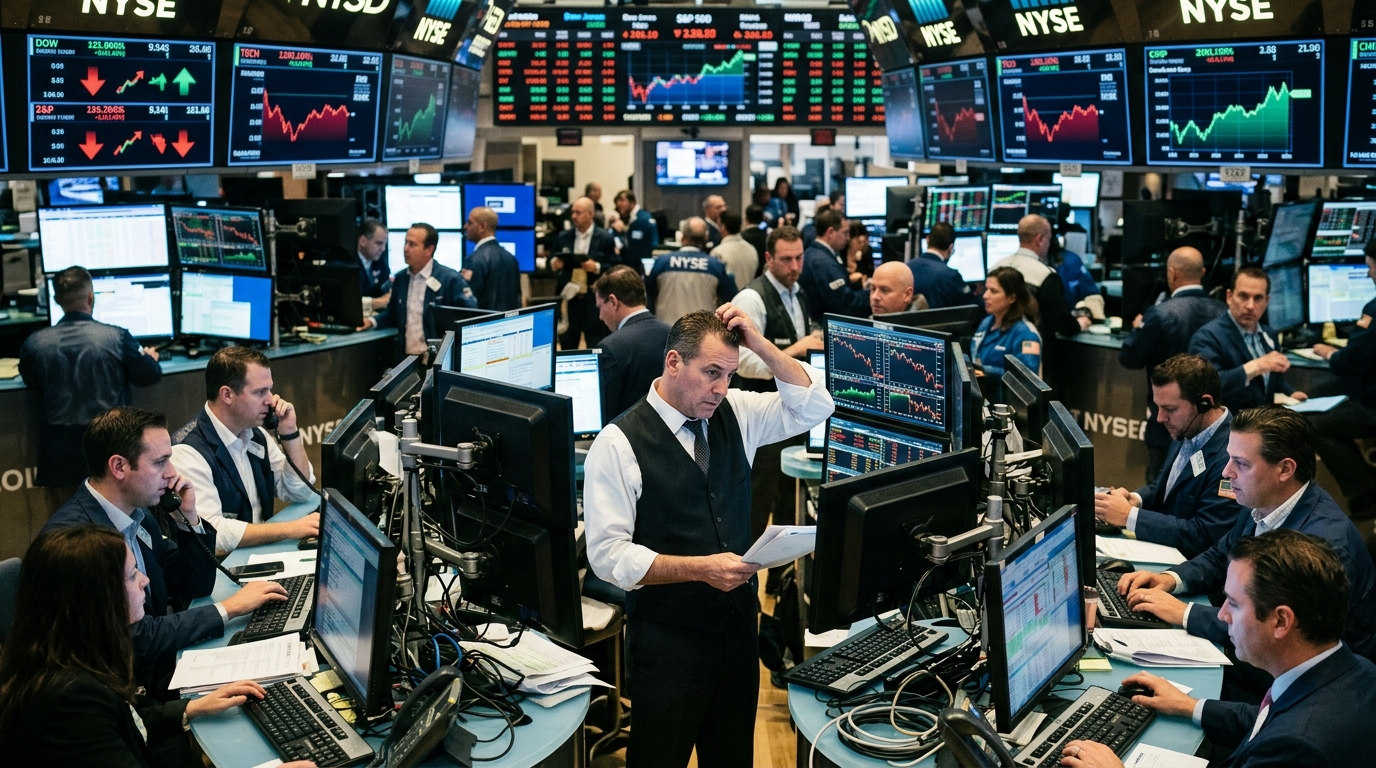
The Wall Street session on June 25, 2026, witnessed a profound internal conflict within the American market, reflecting deep-seated investor concerns over tech megacap valuations despite persistent positive signals from the AI infrastructure front. Major indices closed with mixed results, characterized by significant volatility and a clear trend of capital rotation from tech giants toward other economic sectors and selectively into the semiconductor industry.
Semiconductor Resilience and the AI Infrastructure Play
The semiconductor sector continues to serve as the backbone of the current economic expansion. Recent reports and forward-looking guidance from top chipmakers suggest that the appetite for processing power has yet to reach its zenith. This optimism was fueled by data indicating that investments in data centers and AI infrastructure remain at historic highs, as global enterprises race to integrate generative AI into their core operations.
However, this "chip euphoria" was not sufficient to lift the entire technology sector into the green. While companies manufacturing the hardware of the revolution saw their shares bolstered, software providers and market-dominant platforms—the so-called Megacaps—faced notable pressure. This divergence suggests that investors are becoming increasingly discerning, distinguishing between companies generating immediate revenue from AI hardware and those promising future returns through AI application.
The Megacap Retreat: Correction or Paradigm Shift?
The "Magnificent Seven" and other tech behemoths, which have been the primary engines of the market's ascent in recent years, found themselves in the crosshairs of profit-taking and strategic sell-offs. Their decline is attributed to a confluence of factors: from excessively high price-to-earnings (P/E) ratios that leave stocks vulnerable to any negative news, to mounting regulatory pressures from antitrust authorities in both the US and Europe. Investors appear to be questioning whether the profit margins of these giants can be sustained at current levels as competition intensifies and borrowing costs remain comparatively high.
Furthermore, the fatigue observed in megacaps reflects a broader anxiety regarding market concentration. When a handful of companies control the lion's share of the S&P 500's market capitalization, any tremor in their performance sends shockwaves throughout the entire financial ecosystem. Today's session demonstrated that the market is actively seeking a new equilibrium, attempting to decouple from its absolute dependence on Big Tech.
The Macroeconomic Backdrop and the Fed's Stance
Beyond technological developments, Wall Street continues to move to the beat of macroeconomic data. Expectations regarding Federal Reserve monetary policy remain the ultimate arbiter of investor sentiment. Recent inflation and employment data portray an economy that is slowing yet remains resilient, a scenario that complicates any potential decisions for interest rate cuts.
- The bond market reacted with relative calm, with yields remaining steady, suggesting that investors have already priced in a "higher for longer" interest rate environment.
- Energy and consumer staples sectors exhibited defensive characteristics, serving as a haven for those wary of a potential correction in the Nasdaq.
- Geopolitical tensions, particularly those affecting semiconductor supply chains in Asia, continue to add a risk premium to daily trading activities.
In conclusion, today's snapshot of Wall Street is a reminder that the market is not monolithic. The rise of artificial intelligence is creating clear winners and losers, and the current period is defined by investors' attempts to redefine value in a rapidly changing world. Attention now shifts to the upcoming corporate earnings season, which will reveal whether the optimism surrounding chips can translate into sustainable profitability for the broader economy.
"The market is at a crossroads where technological promise meets the economic reality of valuations," noted several market strategists following the closing bell.
The coming weeks will be pivotal in determining whether we are witnessing a generalized correction or if capital rotation will allow Wall Street to continue its upward trajectory on more solid, diversified foundations.