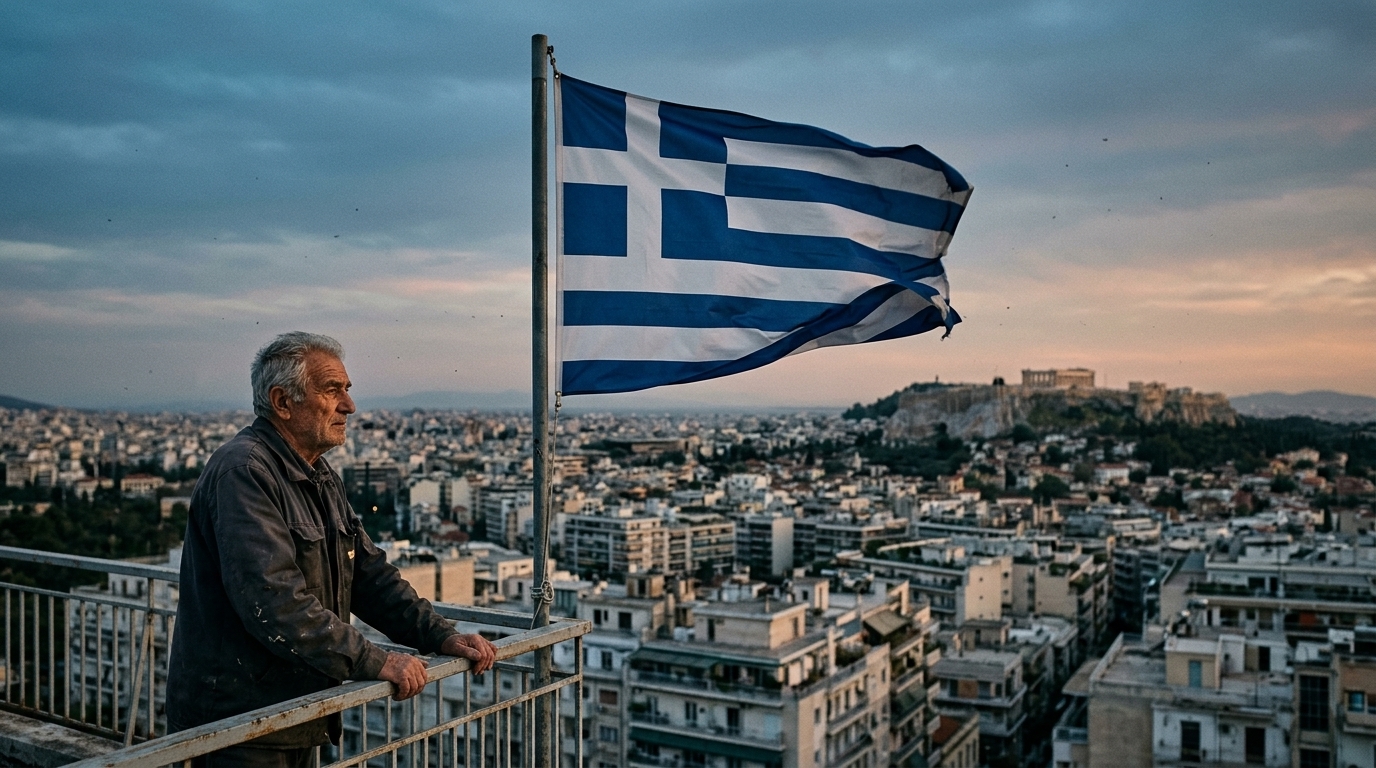
It was May 2010 when Greece officially entered the era of bailouts, a period destined to irrevocably alter the country's social and economic DNA. Today, in 2026, despite regaining investment grade status and achieving growth rates that surpass the European average, the "ghost" of that era continues to haunt Greek reality. This is not merely a memory, but a living structure that dictates political choices, social inequalities, and the prospects of the younger generation.
The Debt Trap and the Illusion of Normality
The return to economic normalcy, as described by international rating agencies, often clashes with the lived experience of the citizenry. Public debt, though on a downward trajectory as a percentage of GDP, remains in absolute terms one of the highest in the world. Servicing it requires perpetual fiscal discipline that restricts the scope for social investment. The Greece of 2026 is a country that has learned to live with "automatic stabilizers" and primary surpluses—a legacy of the creditors that has now become an internalized rule of governance.
The real issue, however, lies in purchasing power. While macroeconomic indicators flourish, wages in Greece remain stagnant at levels that do not correspond to the cost of living, which has skyrocketed due to inflation and a housing crisis. The middle class, which bore the brunt of the pressure during the crisis, has never managed to recover the losses of the 2010-2020 decade, creating a sense of permanent precariousness.
Demographics and the Hemorrhage of Brain Drain
Perhaps the most painful legacy of the crisis is the flight of human capital. Over half a million young scientists and professionals left the country during the "dark decade." This mass exodus was not just a statistical loss but a structural weakening of the Greek economy. Today, businesses complain about the lack of skilled personnel, while the social security system is pressured by an aging population.
- Birth rates have reached alarm levels as young people find it impossible to start families due to economic uncertainty.
- The lack of investment in research and technology during the crisis years left Greece behind in the digital transition compared to Northern Europe.
- Dependence on tourism intensified, creating a "two-tier" economy characterized by seasonal employment and low added value.
Greece in 2026 is attempting to lure these people back, but the incentives seem inadequate compared to the working conditions and career prospects offered by Central and Northern European countries. The ghost of 2010 is here, reminding us that those who left were not just "crisis migrants" but the lost opportunity for a radical transformation of the nation.
Institutional Distrust and the Shadow of Populism
The debt crisis did not just dismantle the economy; it eroded citizens' trust in institutions. The violent adjustment and the betrayal of promises across the political spectrum created a climate of cynicism. Although political stability seems to have been established in recent years, abstention from electoral processes and the shift toward anti-establishment voices show that the trauma remains unhealed.
"Greece never truly exited the crisis; it simply learned to manage its symptoms with greater skill," market analysts note.
The need for a new "social contract" is more pressing than ever. Greece must decide whether it will remain a low-cost service economy or if it will genuinely invest in innovation and production. The ghost of 2010 will continue to hover over Athens as long as growth does not translate into prosperity for the many, and as long as the structural pathogens that led to the collapse remain—albeit camouflaged—beneath the surface of investment-grade ratings.