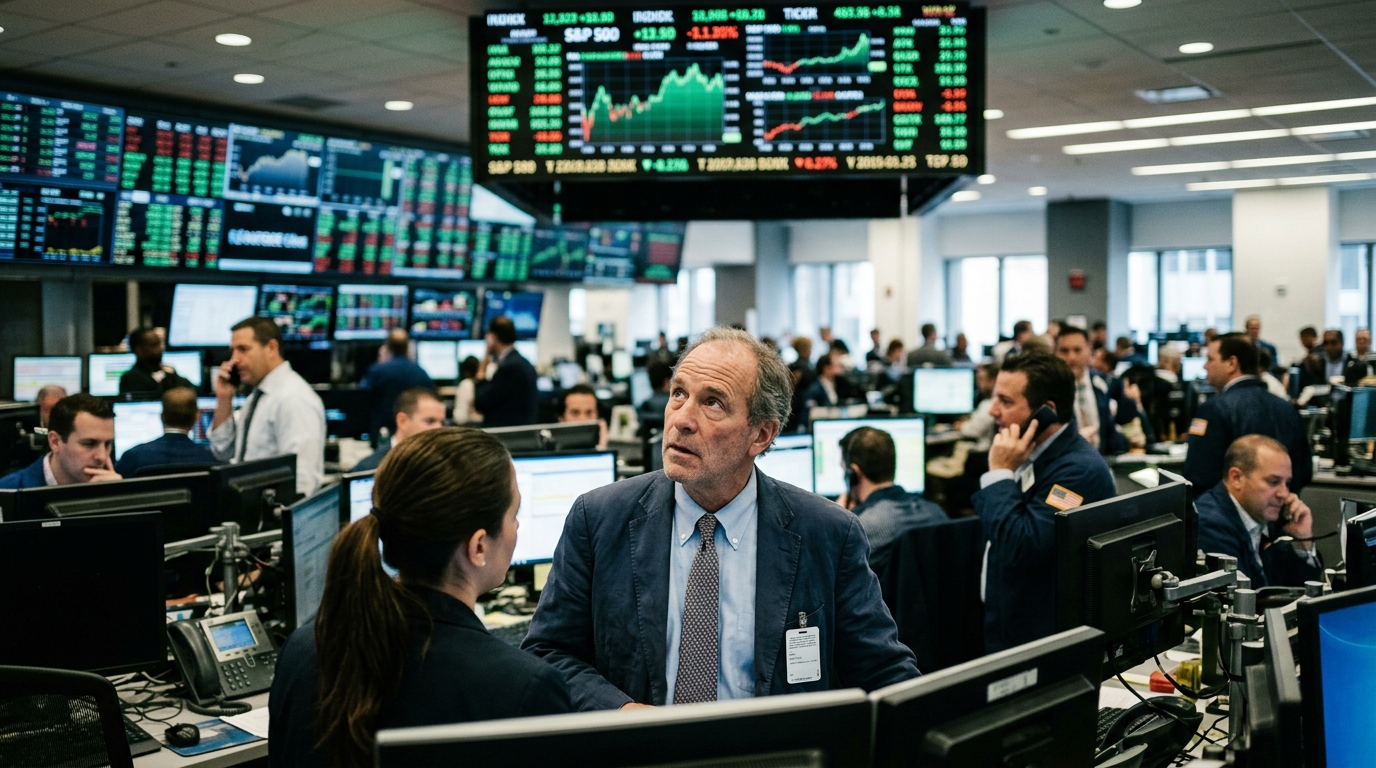
The era of uncertainty surrounding Artificial Intelligence (AI) has definitively transitioned into an era of universal integration. According to the latest data from earnings reports of S&P 500 companies, mentions of AI have reached a 10-year record high, surpassing all previous technological hype cycles. What began as an experimental venture by Silicon Valley tech giants has now transformed into an existential necessity for businesses across every sector, from energy and heavy industry to retail and financial services.
The Shift from Hype to Substance
In the first half of 2026, nearly 40% of S&P 500 companies utilized the term "Artificial Intelligence" in their quarterly investor presentations. The difference compared to previous years is qualitative: management teams are no longer speaking vaguely about the "future"; they are presenting specific use cases that reduce operational costs and expand profit margins. Data analysis reveals that companies actively investing in AI are seeing an average productivity increase of 15%, explaining the shareholders' obsession with the topic.
Particularly interesting is the penetration of AI into traditional sectors. Utility companies are using algorithms to predict energy demand with second-by-second precision, while major supermarket chains are optimizing their supply chains to significantly reduce food waste. AI is no longer a "product" being sold; it is a "tool" restructuring business from the inside out.
The Role of Infrastructure and the Cost of Transition
Despite the optimism, the surge in AI mentions is accompanied by a significant rise in capital expenditure (CapEx). S&P 500 companies have committed trillions of dollars toward building data centers and purchasing specialized semiconductors. This "arms race" raises questions about the long-term sustainability of these investments. Analysts warn that the market will soon begin to punish those who mention AI merely for branding purposes (AI washing) without demonstrating a clear Return on Investment (ROI).
- Nvidia remains the primary infrastructure provider, but competition from custom chips (ASICs) is intensifying.
- The energy demands of AI models are pushing tech firms to invest heavily in nuclear energy and renewables.
- Data security and the ethical use of AI are emerging as critical risk factors in annual filings.
Market Reaction and Future Outlook
Investors appear to be rewarding transparency. Shares of companies that link AI mentions to specific financial outcomes have outperformed the rest of the index by 12%. However, "buzzword fatigue" is starting to set in. Institutional investors are now demanding detailed roadmaps on how Generative AI will replace or augment the workforce.
"We are no longer in the discovery phase; we are in the execution phase. Anyone who hasn't integrated AI into their core operations by the end of 2026 risks structural obsolescence," notes a leading Wall Street analyst.
In conclusion, the record number of AI mentions is not just a statistical coincidence but a reflection of a profound technological revolution reshaping global capitalism. The challenge for the future will not be the adoption of the technology itself, but the management of the social and economic consequences it brings.