

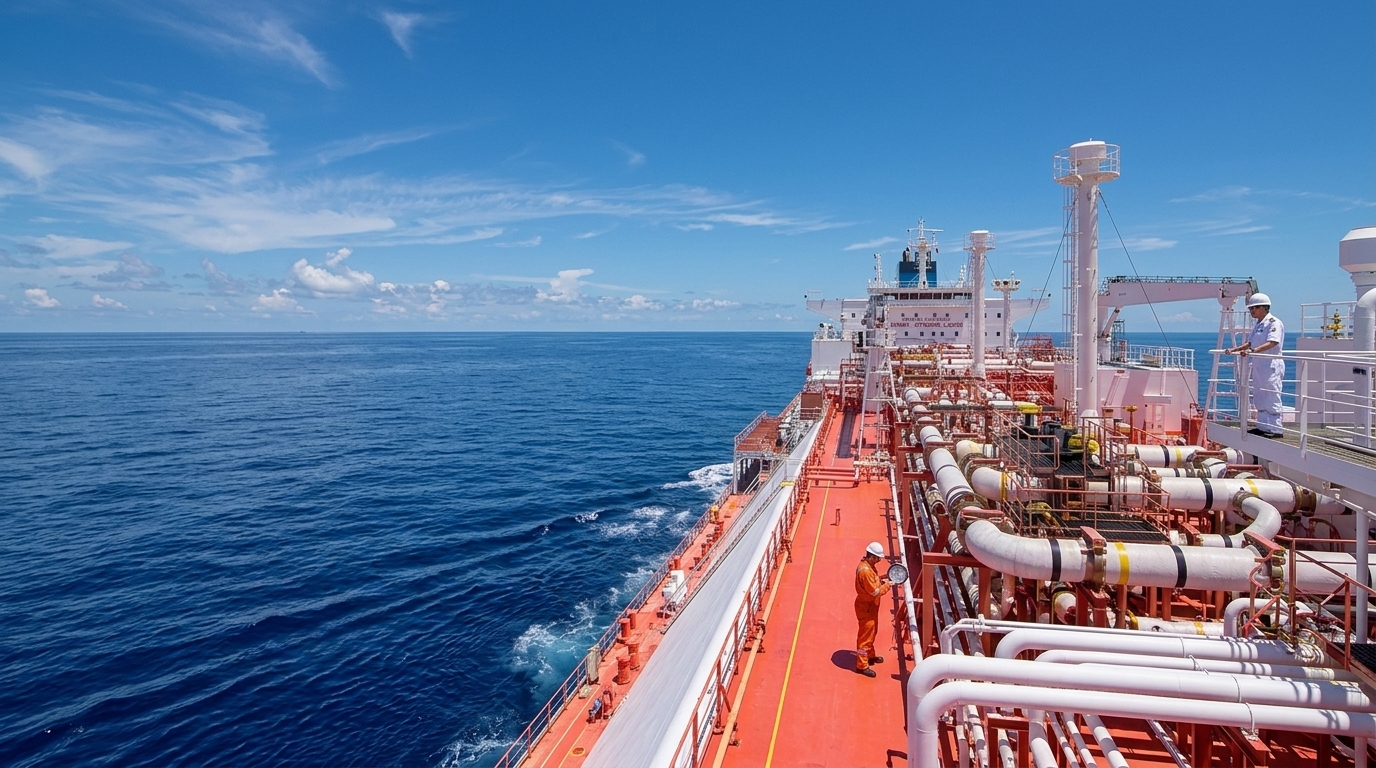
European shipping is at a critical crossroads as its integration into the European Union Emissions Trading System (EU ETS) begins to manifest its true economic footprint. According to a recent study by the European Community Shipowners' Associations (ECSA), annual revenues generated from the shipping sector's emission allowances are expected to reach approximately €9 billion. However, the pivotal question looming over Brussels and major maritime hubs like Piraeus and Hamburg is not just the magnitude of the cost, but where this money eventually ends up.
The Economic Burden and ECSA's Strategy
The ECSA study highlights a harsh reality: while shipping is called upon to pay a massive price for carbon emissions, only a fraction of these funds returns to the sector to support decarbonization. European shipowners, backed by the Greek maritime community—which controls over 60% of the EU fleet—are urgently calling for the creation of dedicated financial instruments. Their position is unequivocal: ETS revenues derived from shipping must be reinvested back into shipping.
Currently, the bulk of these revenues is funneled into the national budgets of member states or the general EU Innovation Fund. The problem with the Innovation Fund is its horizontal nature, requiring shipping to compete for grants against sectors with vastly different characteristics, such as the cement or steel industries. Shipowners argue that this deprives the industry of the necessary resources to develop alternative fuels and upgrade port infrastructure.
The Risk of Carbon Leakage and Global Competition
One of the most serious concerns voiced in the study pertains to 'carbon leakage.' As the cost of emissions in the EU rises, there is a tangible risk that large container vessels will alter their routes, bypassing EU transshipment hubs in favor of neighboring non-EU ports in countries like Turkey, Egypt, or Morocco. This would not only result in revenue loss for ports like Piraeus and Algeciras but would also negate the environmental benefits, as emissions would simply be 'transferred' outside European jurisdiction.
ECSA proposes using the revenues to bridge the price gap between traditional fossil fuels and new, clean fuels (such as green ammonia and methanol), which remain prohibitively expensive and scarce. Without a state or European subsidy derived from the ETS revenues themselves, the transition risks a dramatic delay, threatening the goals of the Green Deal for 2030 and 2050.
The Greek Perspective and the Global Dimension
For Greece, this issue is existential. Greek shipping is a pillar of the national economy, and imposing additional burdens without reciprocity undermines the competitiveness of Greek shipowners on the global stage. The Union of Greek Shipowners (UGS) has repeatedly emphasized that shipping is a global industry, and regional measures like the EU ETS should only be temporary until a global measure is adopted by the International Maritime Organization (IMO).
In conclusion, the battle for the €9 billion is a battle for the future of European sovereignty on the high seas. If the EU continues to treat the ETS as a mere revenue-collection mechanism to plug national deficits, it risks weakening its most outward-looking sector. Reinvesting these revenues is not a request for a 'subsidy' but a necessary strategic move to ensure Europe remains a leader in green technology while maintaining its dominance in global trade.





