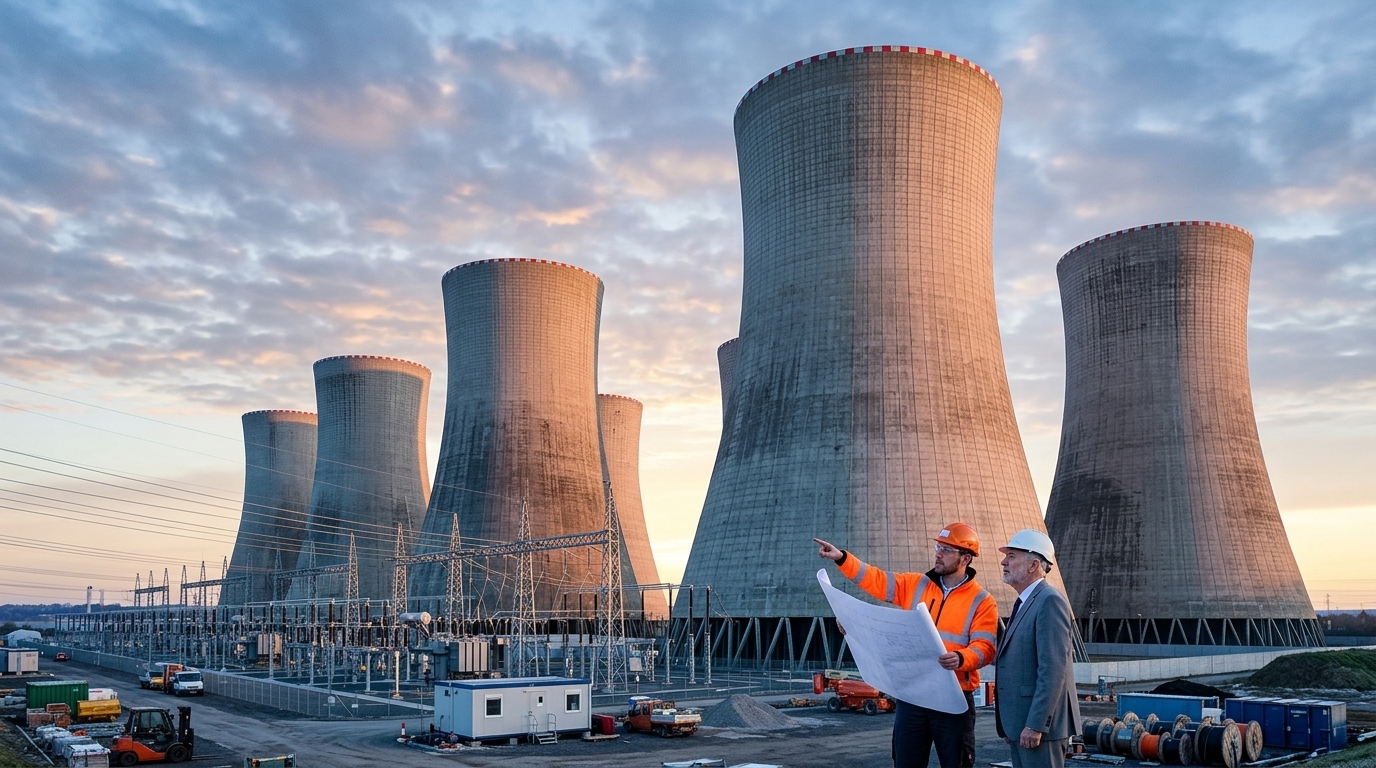
JPMorgan Chase is fundamentally revising its energy transition financing strategy. The banking giant is expanding its $1 trillion green financing framework to include nuclear energy, electrical grid modernization, and storage infrastructure.
The AI and Geopolitical Drivers
This decision, part of a broader $2.5 trillion sustainable development goal for 2030, is driven by what executives describe as an "unimaginable" surge in global electricity demand. Heather Zichal, the bank's head of energy and environment, identified two primary catalysts for this shift:
- AI Data Centers: The rapid growth of Artificial Intelligence requires massive amounts of stable baseload power.
- Geopolitical Turmoil: Global conflicts and supply disruptions have elevated national energy security and independence to the forefront of strategic planning.
"Many of the things that help with energy independence can also help with sustainability," stated CEO Jamie Dimon.
Expanded Scope and Adjusted Timelines
Under the new expanded approach, eligible green activities now include electric vehicle (EV) charging stations, large-scale power transmission projects, and low-carbon power generation from companies also involved in fossil fuels. Notably, the bank also announced it is pushing back its intermediate carbon reduction targets from 2030 to 2035. This alignment with updated International Energy Agency (IEA) scenarios prioritizes the rapid mobilization of capital for infrastructure construction.
To date, JPMorgan has deployed or facilitated $1.2 trillion in sustainable funding, with $520 billion specifically dedicated to green initiatives.