The International Monetary Fund has identified a "troika" of threats to global financial stability, with cybercrime occupying the critical third position. According to Microsoft estimates, hacker activity now constitutes the third-largest "economy" in the world, a reality felt acutely on the shelves of European retailers.
Thawing and Million-Euro Losses
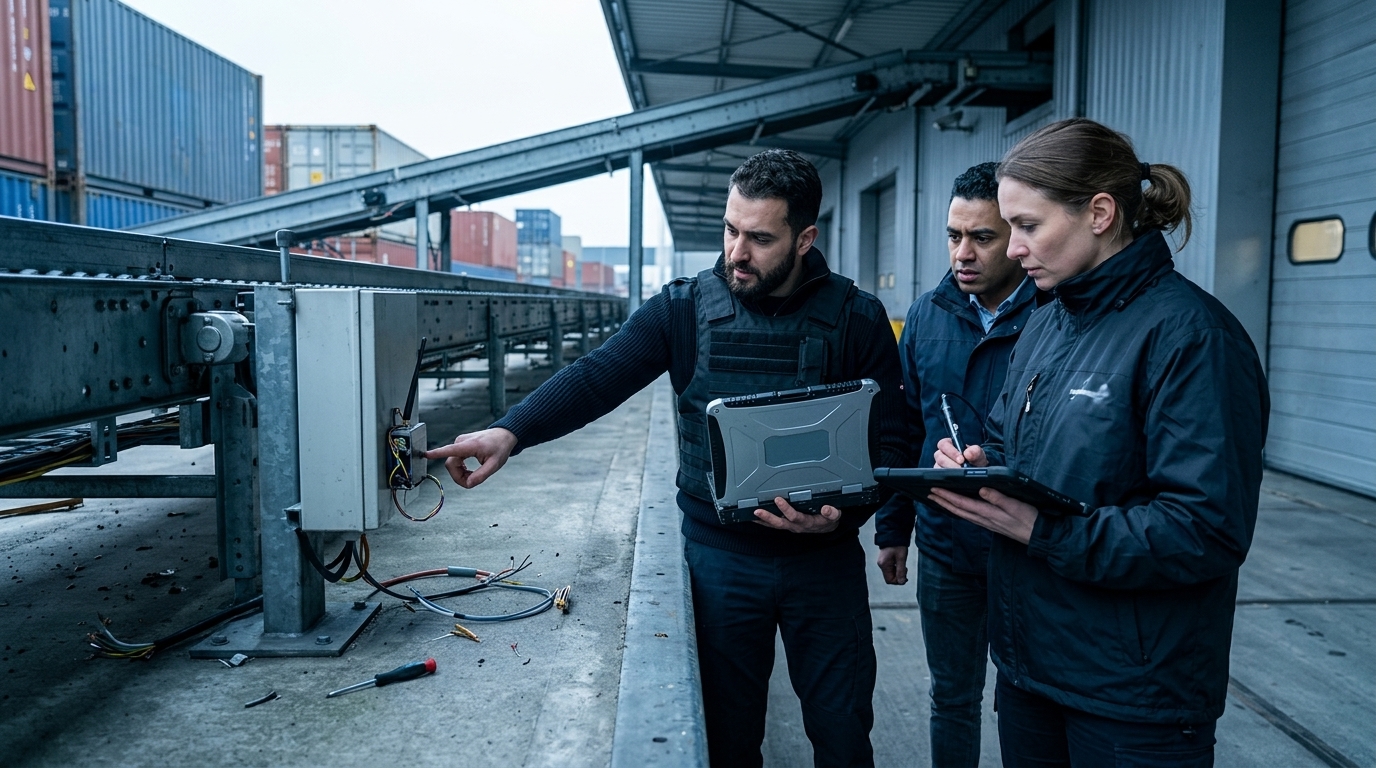
In France, more than 500 supermarkets faced severe malfunctions in their cooling facilities following a cyberattack. This resulted in the destruction of fresh and frozen goods worth millions of euros, which had to be discarded. The Lecornu government is closely monitoring the situation as the need for inventory replenishment puts further pressure on the supply chain.
Similar issues were reported in the Netherlands, Belgium, and Luxembourg. In the Netherlands, while cooling units did not physically fail, the attack disrupted online ordering systems. To date, no official link has been confirmed between the incidents in France and the Benelux region.
The Danfoss Security Gap
At the center of the incident is the Danish company Danfoss, which supplies the cooling control software. According to a report by Le Monde, Danfoss had warned its customers over a year ago about specific vulnerabilities, urging them to install necessary security updates.
The speed of attacks in 2026 is relentless: in 70% of reported incidents, software providers had minimal or no time to patch vulnerabilities before they were exploited by attackers. While consumers struggle with the cost of living, cyber-criminals are now directly targeting essential food infrastructure.