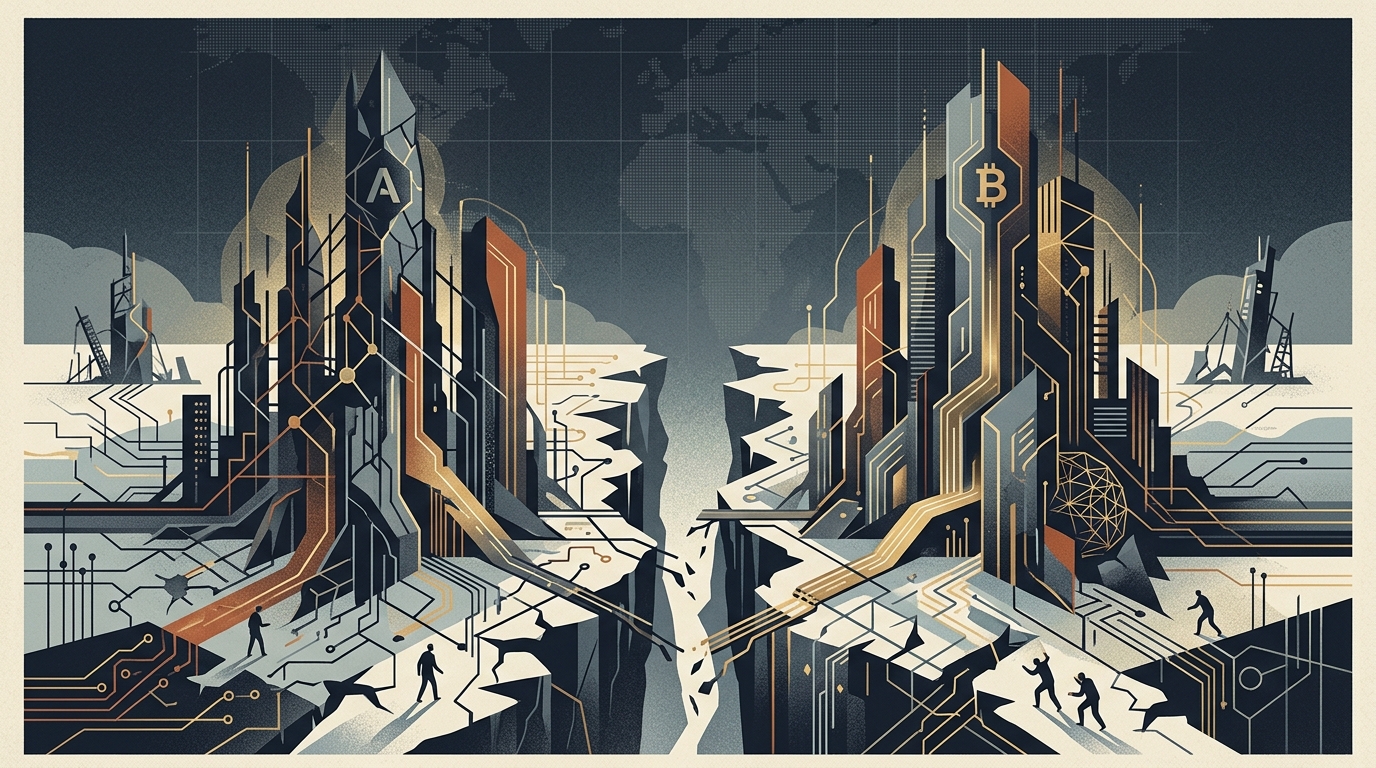
The global artificial intelligence market is undergoing a fundamental structural shift. According to recent analysis by Goldman Sachs, AI is no longer a unified global investment theme but is fracturing into two distinct ecosystems centered on the United States and China. This bifurcation is driven by geopolitical rivalries and national security requirements, with the narrative of a global AI "duopoly" gaining significant traction among institutional investors.
The Capital-Intensive Race for Hardware
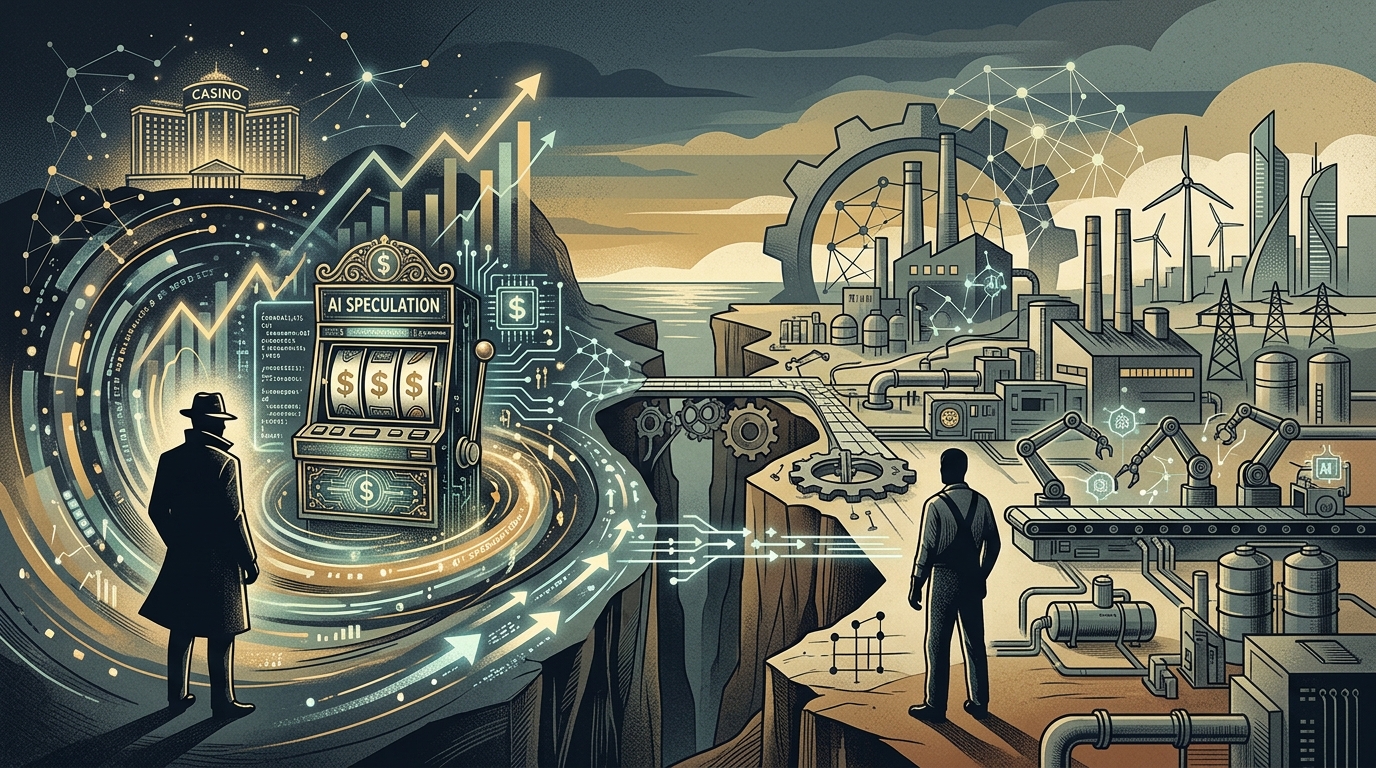
As the industry moves from speculative software to what I call the 'industrialization of AI,' the focus has shifted to the hardware backbone. Applied Materials has unveiled its $5 billion EPIC center in Sunnyvale, a 600,000-square-foot facility designed to slash the semiconductor development cycle from 10-12 years to just six. By co-locating research teams from competitors like Intel, TSMC, and Samsung, the initiative seeks to address the physical bottlenecks currently hindering AI scaling.
The market impact of this hardware race is already visible. In China, AI-related stocks now account for 42% of the combined market capitalization in mainland China and Hong Kong, up from 24% in 2024. Nearly $5 trillion in market value has been created across these firms since early 2025. Goldman Sachs now categorizes these assets into two groups: export-oriented firms sensitive to Western trends and domestic firms supported by state policy, which have shown greater resilience during market corrections.
The European Landscape and the Regulatory Challenge
Europe remains a critical theater for this technological expansion. Google’s 2025 Economic Impact Report reveals that digital tools contributed over €200 billion to the EU’s GDP, approximately 1% of the region's total economic output. This digital contribution is vital for productivity, as seen in companies like Renault, which has utilized AI to modernize manufacturing and cut factory downtime in half.
"The engineering success of these facilities will depend on their ability to withstand shifting market conditions and geopolitical pressures."
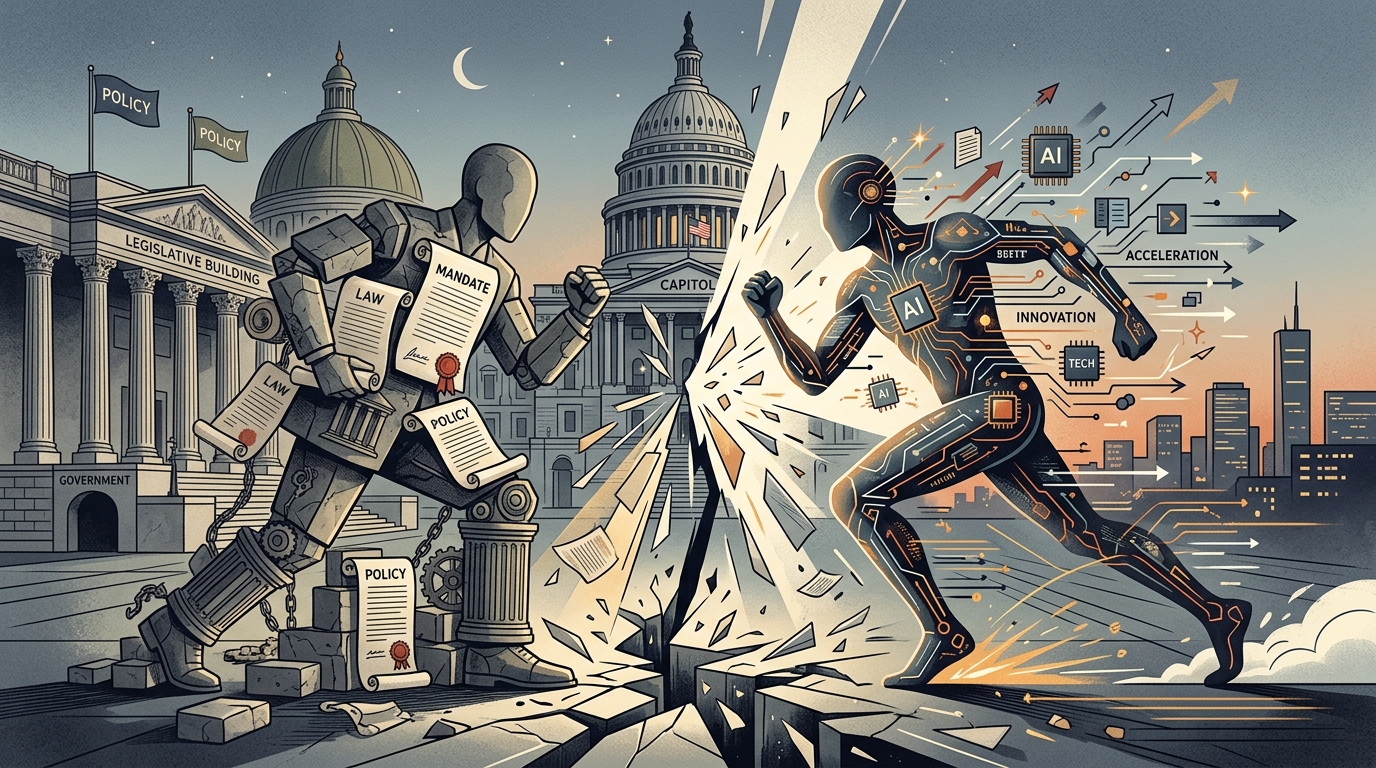
The business environment is adapting through both infrastructure and regulation. To unlock the potential of AI, which could boost the European economy by €1.2 trillion annually within a decade, there is an emphasis on creating a predictable and supportive regulatory environment. This reflects a broader move toward balancing innovation with the requirement of public safety and stability in a volatile global market.