

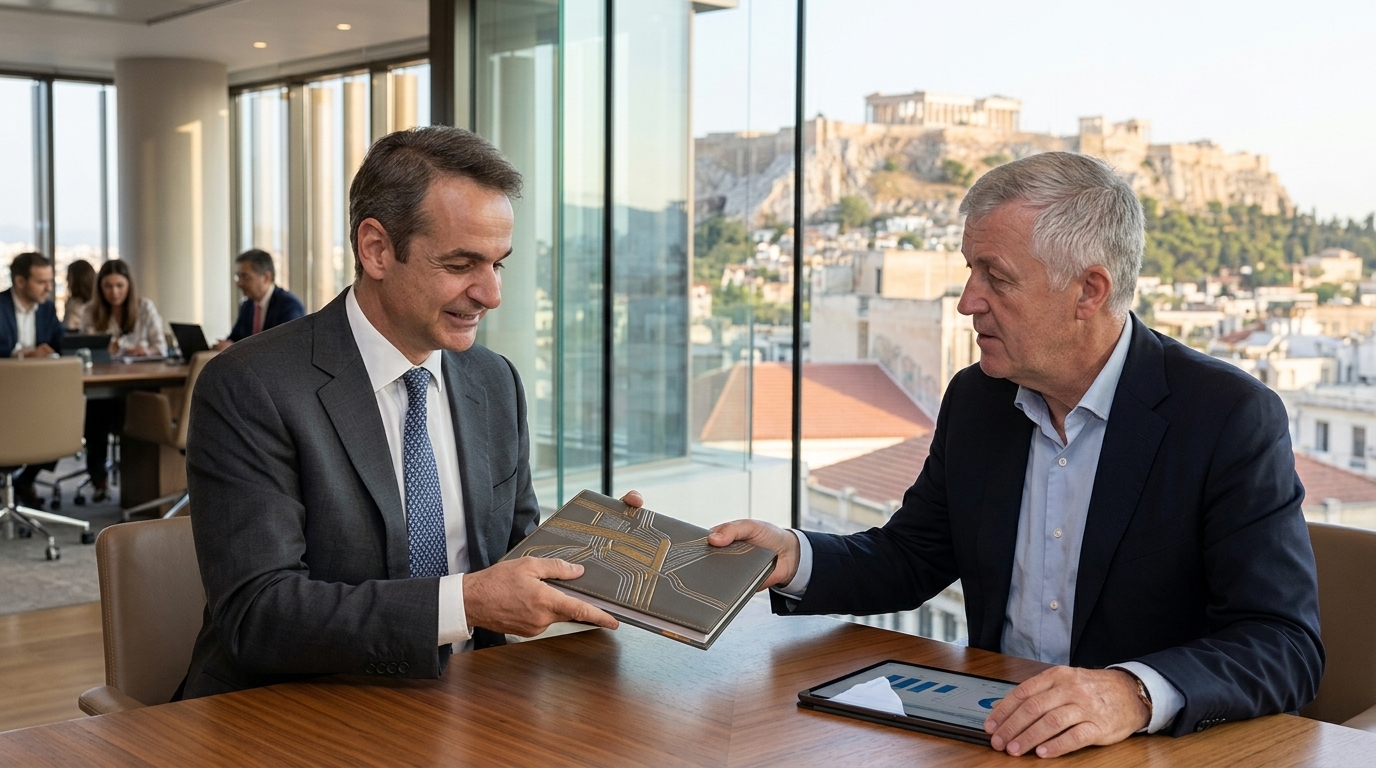
The Greek banking market is at a critical turning point as traditional credit meets the agility of financial technology (fintech). The recent announcement of a 50/50 joint venture between Eurobank and the Estonian Inbank is not just a business move; it is Greece's official entry into the era of "Embedded Finance." This agreement aims to create a leading platform offering Buy Now Pay Later (BNPL) products and sales financing directly at the point of sale, whether in a physical store or a digital environment.
The Rise of Embedded Finance and Digital Transformation
Embedded Finance refers to the integration of financial services into non-financial platforms. Imagine buying an electric bicycle from an e-shop and receiving loan approval in seconds without leaving the merchant's page. This is exactly what the Eurobank-Inbank partnership promises. For Eurobank, this move is part of a broader strategic plan for its digital transformation. Despite the fact that systemic banks in Greece possess the necessary liquidity and customer base, they often lag behind in the speed of implementing technological solutions compared to agile fintech companies.
Inbank, on the other hand, brings Estonian expertise to the table. Estonia has established itself as a global leader in digital governance and innovation, and Inbank is one of the brightest examples of this ecosystem. With a presence in several European countries, Inbank possesses the technological infrastructure that allows for automated credit risk assessment in real-time, which is essential for the success of BNPL products.
Why Greece and Why Now?
The Greek market presents a unique opportunity. After a decade of economic crisis and the subsequent cleaning up of bank balance sheets, demand for consumer credit is rising again. However, the consumers of 2026 have different expectations than those of 2010. They seek immediacy, transparency, and solutions integrated into their daily lives. BNPL has already gained significant ground in Greece through players like Klarna and TBI Bank. Eurobank, through its partnership with Inbank, seeks to reclaim the market share that "leaked" toward these new forces by combining the security of a systemic bank with the user experience of a fintech.
- Instant Approval: Inbank's technology allows for credit issuance in minimal time.
- Omnichannel Presence: The platform will operate in both physical stores and e-commerce.
- Strategic Synergy: Eurobank provides local market knowledge and capital, while Inbank provides the technology.
Challenges and Regulatory Framework
Despite the positive outlook, the expansion of BNPL is not without risks. The European Union has already begun tightening the framework around these services to protect consumers from over-indebtedness. The new Consumer Credit Directive (CCD II) imposes stricter solvency checks, even for small amounts. The Eurobank-Inbank joint venture will have to navigate this new regulatory landscape, ensuring that convenience does not lead to a new generation of "red" consumer loans.
"Our partnership with Inbank is a milestone for the Greek market. We are not just creating a new service, but a new way for Greek consumers to interact with the banking system," say sources close to Eurobank's management.
In conclusion, this move signals the maturation of the Greek banking system. The acceptance that traditional structures must collaborate with innovation to survive is the first step toward a more dynamic economy. The success of this venture will be judged by its ability to offer real value to merchants and consumers while maintaining the necessary financial discipline.





