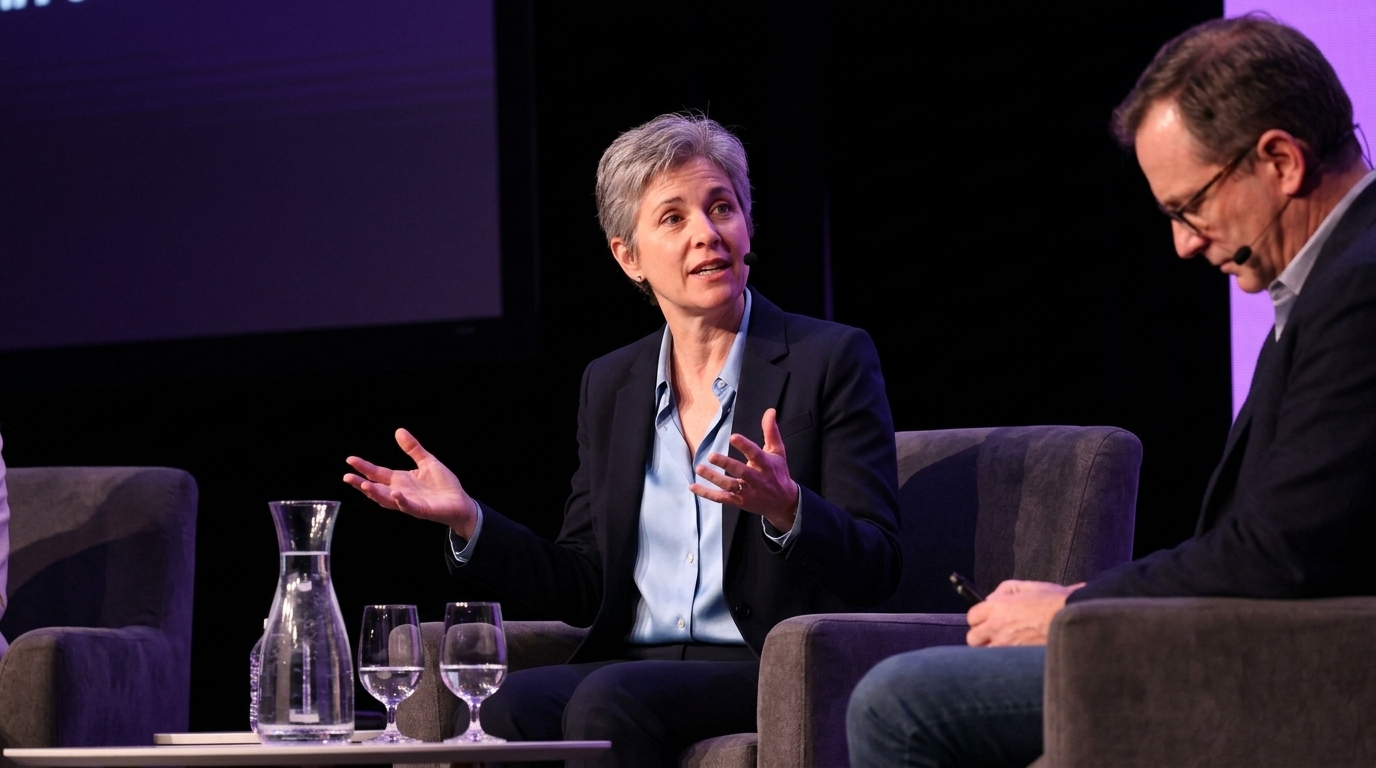
In an era where technology and biology are converging at an unprecedented pace, the traditional concept of a "diet" appears to be breathing its last. According to Peter Rahal, CEO of David Protein and co-founder of RXBAR, we are on the threshold of a radical transformation in how humanity consumes food. The cause isn't a new TikTok trend or a celebrity cookbook, but the widespread adoption of GLP-1 drugs (such as Ozempic and Wegovy), which have already captured 10% of the U.S. population, creating a market projected to hit $82 billion this year.
Biology Replaces Discipline
For decades, the weight loss industry relied on psychological pressure and the concept of willpower. From Keto and Paleo to intermittent fasting, consumers jumped from one trend to another, searching for a "magic bullet." However, GLP-1s have changed the rules of the game by shifting the issue from a psychological struggle to a biological certainty. When hunger is suppressed at a hormonal level, "trends" lose their meaning. Rahal argues that the predictability of consumer habits has collapsed because people are no longer choosing what to eat based on desire, but based on functionality.
This shift creates a massive vacuum in the market. As GLP-1 users consume significantly fewer calories, the quality of those calories becomes critically important. This is where the concept of "proteinmaxxing" enters the fray. Weight loss via these drugs is often accompanied by muscle mass loss, making high protein intake not just a choice, but a medical necessity. David Protein, Rahal's new venture, aims specifically at this: providing foods with the highest possible protein density per calorie, paving the way for a market where sales volume is replaced by nutritional value.
The Fallout for Big Food
Processed food giants, from PepsiCo to Nestlé, are watching with bated breath. If a significant portion of the population stops consuming high-sugar, high-salt snacks due to reduced appetite, a decades-old business model risks collapse. We are already seeing the first signs of adaptation, with companies launching "GLP-1 friendly" product lines. However, Rahal warns that predicting "what's next" is extremely difficult. The market is no longer responding to marketing campaigns but to a new chemical reality within the human body.
- The GLP-1 market is expected to reach $82 billion in 2026.
- The shift toward protein is a direct response to potential muscle loss.
- Traditional diet fads are losing influence in the face of pharmaceutical intervention.
- CPG (Consumer Packaged Goods) companies are forced to redesign their entire strategy.
A New Ethics of Consumption?
Beyond the economic figures, a deeper question emerges: What does the decoupling of pleasure from food mean for our culture? For thousands of years, food has been a social ritual and a source of hedonistic joy. If GLP-1s turn eating into a mere process of "refueling" with nutrients, our social structures may shift. Rahal points out that the industry must be honest: this isn't just another "healthy choice," but a new phase of human evolution where technology regulates basic instincts.
In conclusion, the claim that diet trends are over is not an exaggeration, but a realization of a new status quo. The era where consumers experimented with their bodies through dieting is giving way to an era where the body is regulated through biochemistry. The challenge for the companies of the future will not be to convince the consumer to eat more, but to offer the best possible "fuel" in the smallest possible quantity. David Protein and similar ventures are the precursors of an economy based not on overconsumption, but on biological optimization.