For decades, the global oil market moved to the beat of a single pulse: Chinese demand. Since the beginning of the 21st century, the explosive industrialization and urbanization of the People's Republic of China have been the primary engine behind the high prices of "black gold." However, 2026 finds the world at a historic turning point. China, the world's largest importer of crude oil, is learning to live with less fuel, providing unexpected relief to international markets despite geopolitical tensions in the Middle East and the ongoing war in Ukraine.
The EV Revolution and the Death of Gasoline
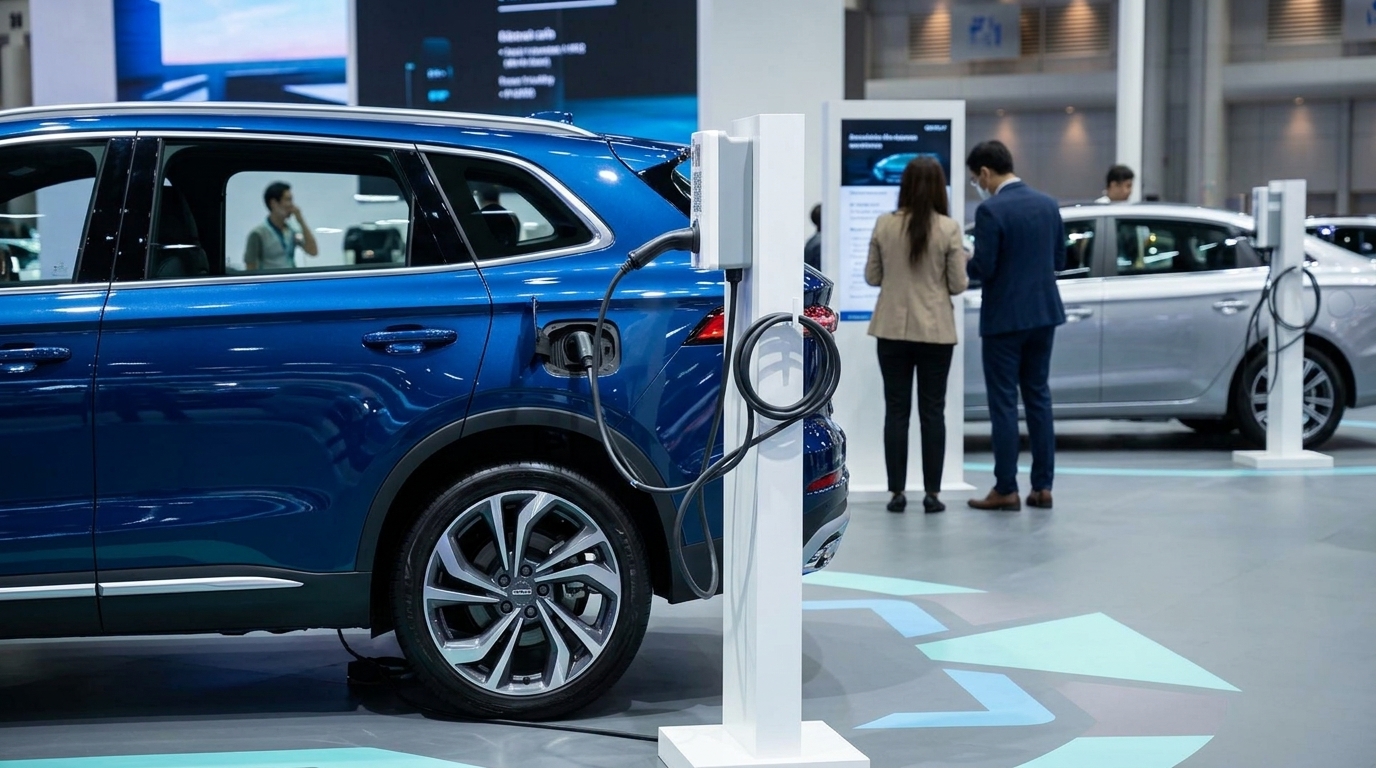
The primary cause of this structural change is none other than the rapid penetration of electric vehicles (EVs) into the Chinese market. What once seemed like an ambitious environmental policy has morphed into an economic reality sweeping everything in its path. Today, over 50% of new car sales in China are New Energy Vehicles (NEVs), including battery-electric and plug-in hybrids. Charging infrastructure has expanded even into the most remote provinces, making internal combustion engine (ICE) vehicles a fading choice for the middle class.
The impact on gasoline consumption is immediate and painful for oil producers. Chinese roads, once filled with fuel-hungry vehicles, now host millions of silent cars powered by a national grid that is increasingly reliant on renewable energy sources. This decoupling of economic growth from fuel consumption represents the "holy grail" of energy security for Beijing, reducing its vulnerability to the Strait of Hormuz and the whims of global supply chains controlled by Western interests.
LNG and the Silent Trucking Revolution
While passenger cars grab the headlines, an equally significant shift is occurring in freight transport. China has replaced a massive portion of its heavy-duty truck fleet—traditionally diesel-powered—with trucks running on Liquefied Natural Gas (LNG). The cost differential is the catalyst: LNG is significantly cheaper than diesel in the Chinese domestic market, pushing logistics companies toward a massive transition.
According to market analysts, the use of LNG in trucks has displaced hundreds of thousands of barrels of daily diesel demand. This has led to a refining surplus in Asia, squeezing the profit margins of refineries globally. China is no longer just importing energy; it is reshaping it, opting for fuels that can be more easily sourced via pipelines from Russia or Central Asia, bypassing the maritime routes patrolled by the U.S. Navy.
Economic Slowdown and Structural Shifts
Beyond technology, the very nature of the Chinese economy is changing. The era of unbridled construction activity and pharaonic infrastructure projects appears to be coming to a close. The persistent crisis in the real estate sector has dampened demand for steel, cement, and, consequently, the oil required to power heavy machinery and transport materials. The pivot toward a services-oriented and high-tech economy is inherently less energy-intensive in terms of fossil fuels.
"We are not just seeing a temporary cyclical downturn, but a permanent shift in the demand curve," international energy agency officials noted in recent reports.
This new reality is forcing OPEC+ to rethink its entire strategy. The efforts of oil-producing nations to keep prices high through production cuts are hitting the wall of diminished Chinese appetite. If China is no longer the market's engine, who will be? India and Southeast Asian nations are growing, but they do not yet possess the scale or the centralized policy speed to replace the vacuum left by Beijing's pivot.
Geopolitical Relief or New Uncertainty?
The reduction in Chinese demand acts as a buffer for the global economy. In a period where Middle Eastern conflicts could normally send oil prices soaring above $120 a barrel, the market remains relatively stable near $75-$80. This provides unexpected assistance to Western central banks in their ongoing battle to tame inflation and maintain interest rate stability.
However, this development carries its own risks. A weakened oil market means lower revenues for petro-states like Russia and Iran, which could lead to unpredictable geopolitical lash-outs. Simultaneously, China’s dominance in the supply chain of "future fuels" (batteries, critical minerals) means the world may simply be trading one dependency (oil) for another (Chinese-controlled technology and minerals). The relief at the gas pump might be just one side of a much more complex and challenging coin.