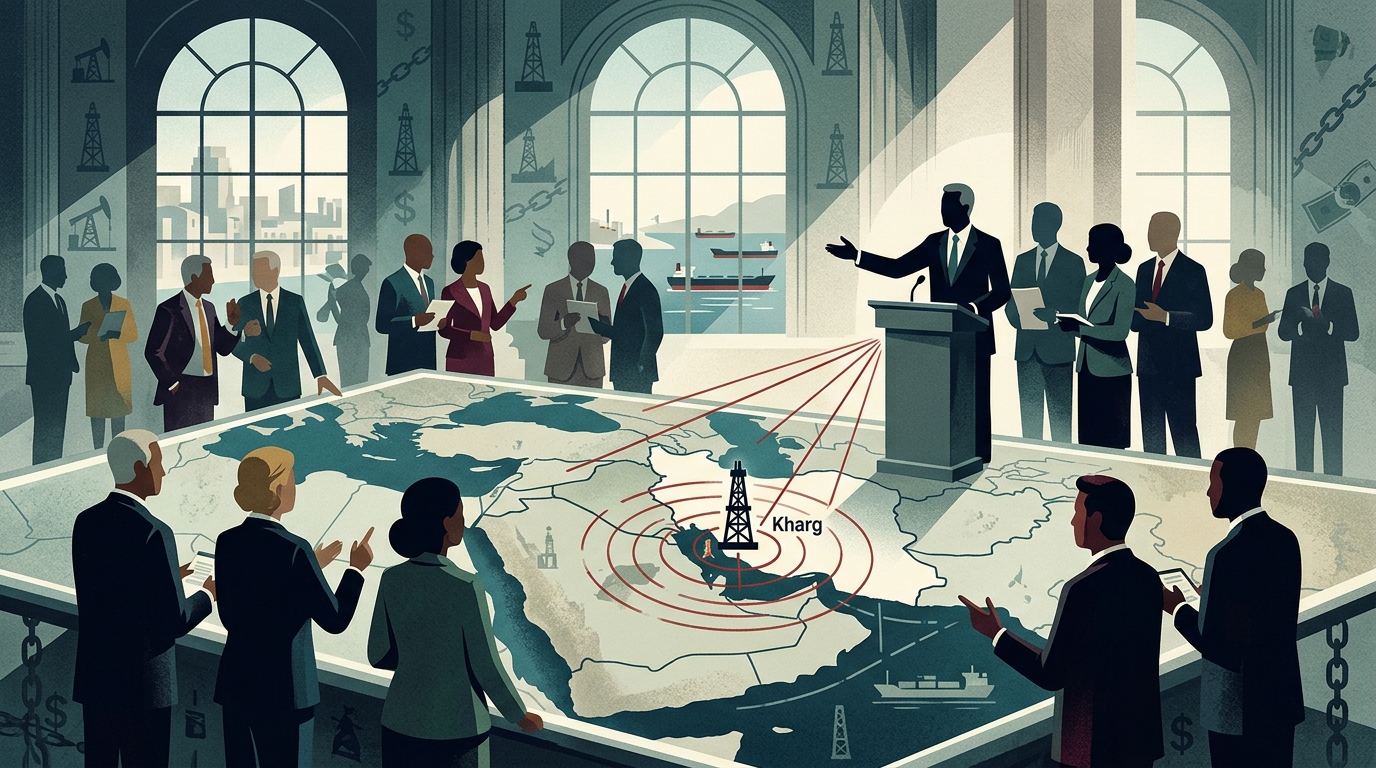
Donald Trump's rhetoric toward Iran has never been mild, but his latest remarks regarding Kharg Island introduce a new, dangerous dimension to the already volatile Middle East. Kharg Island is not merely a geographical formation in the Persian Gulf; it is Tehran's economic jugular, through which approximately 90% of Iranian crude oil exports pass. The threat of 'very hard' strikes and the possibility of seizing or blockading the island is a direct provocation that transcends economic sanctions and approaches the threshold of open military conflict.
The Strategic Significance of Kharg Island
To understand the gravity of Trump's threats, one must grasp the importance of Kharg. Situated strategically just 25 kilometers off the Iranian coast, it possesses infrastructure capable of loading the world's largest supertankers. During the Iran-Iraq War in the 1980s, the island was repeatedly bombed by Saddam Hussein's forces, as its neutralization meant the economic strangulation of Iran. Today, a U.S. attack or blockade on Kharg would imply the immediate cessation of Tehran's revenues, making it impossible to fund state structures and regional allies such as Hezbollah and the Houthis.
Trump's approach appears to be a return to the 'Maximum Pressure' strategy, but with a more aggressive, kinetic edge. While his first term focused on withdrawing from the JCPOA and imposing tariffs, his current rhetoric suggests a willingness to use military force to control energy flows. This creates immense anxiety in global markets, as any disruption in the Persian Gulf could send oil prices skyrocketing to levels that would threaten global economic stability.
Conflict with China and International Reaction
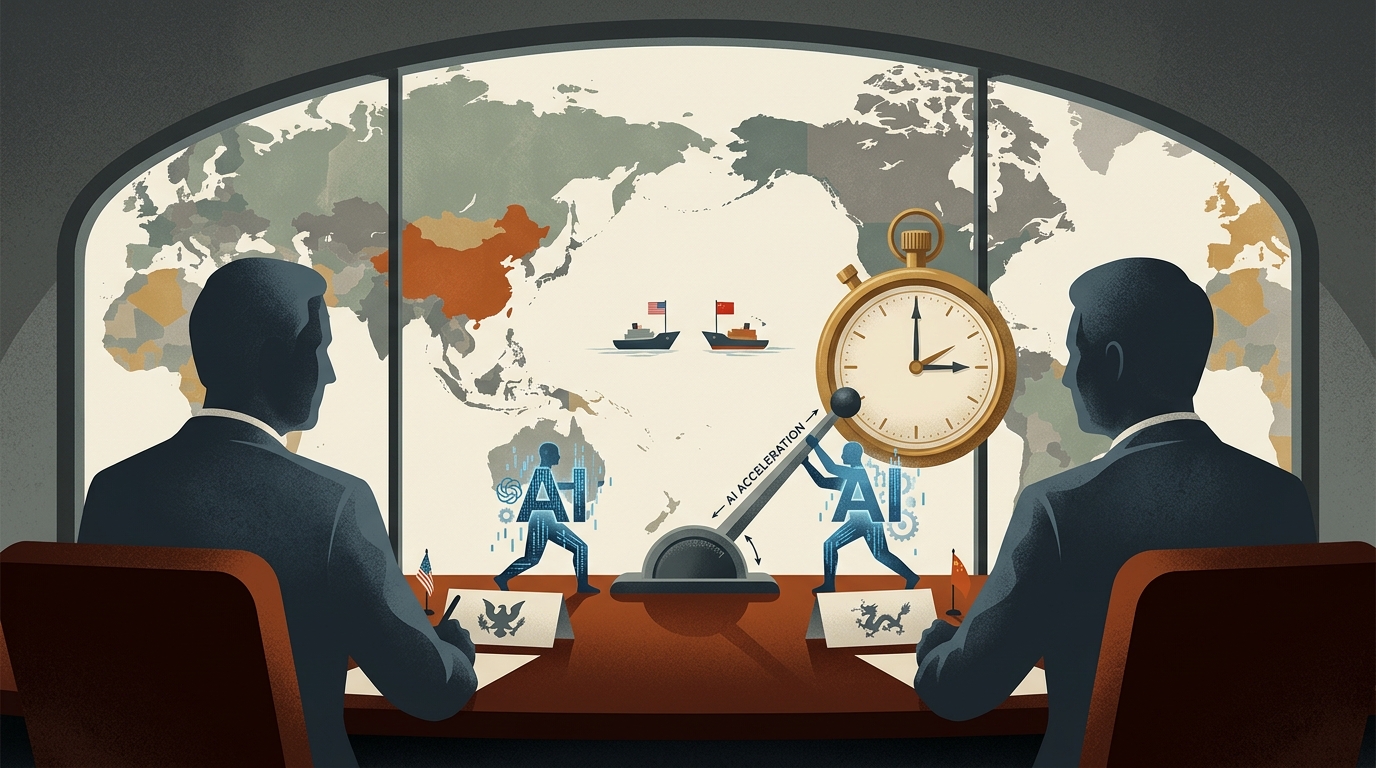
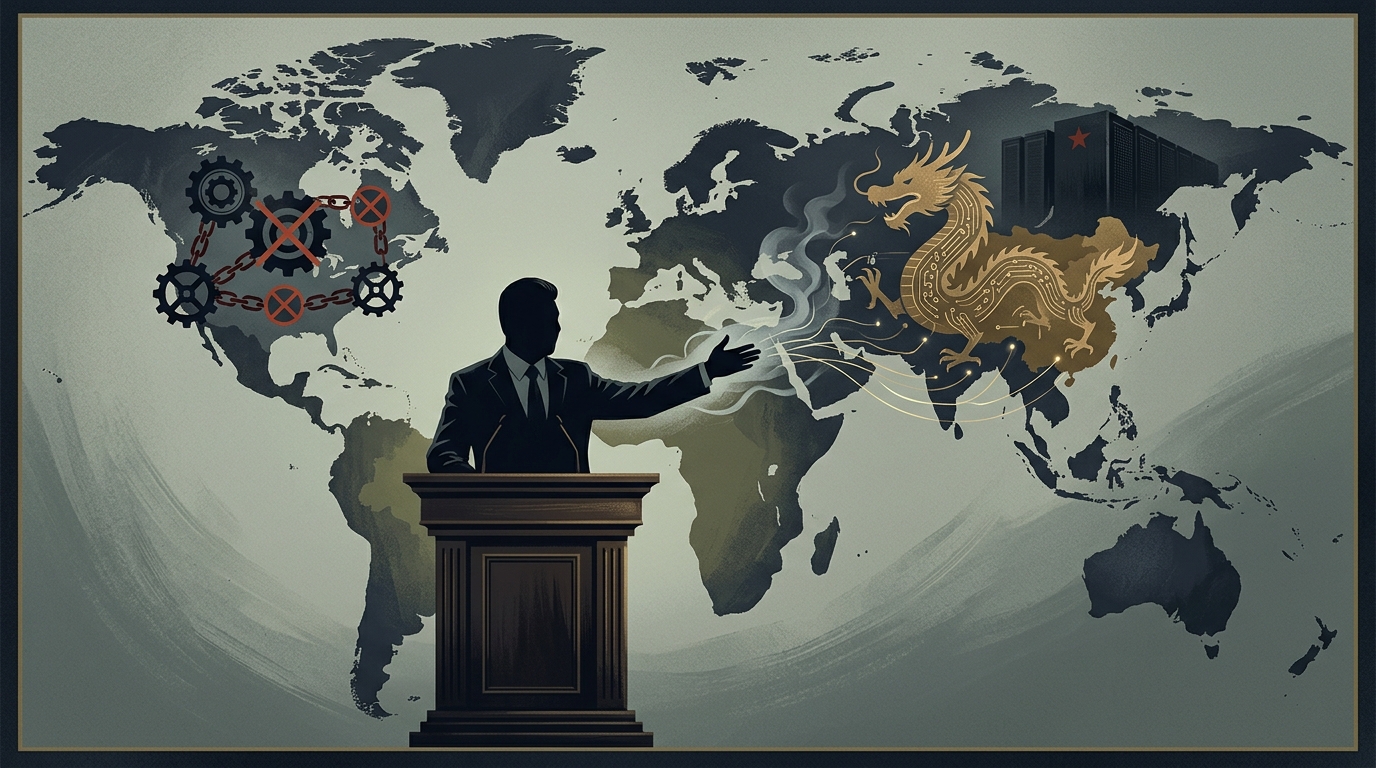
The Kharg issue is not just about the U.S. and Iran. China is the largest buyer of Iranian oil, often utilizing 'shadow fleets' to bypass existing sanctions. Any American action against the island would be an indirect blow to Chinese energy security. Beijing has invested billions in infrastructure and agreements with Tehran, and an escalation could lead to a broader confrontation between the two superpowers. European allies, on the other hand, watch with skepticism, fearing that a new flare-up in the Middle East will trigger new refugee waves and an energy crisis on the continent.
Domestic Politics and the Trump Message
Within the U.S., Trump's stance aims to project 'toughness' against an adversary that many Republicans view as the primary source of global instability. His rhetoric about 'taking' the island echoes his previous statements regarding Iraqi oil, where he argued that the U.S. should have 'kept the oil' as compensation for war costs. Although military analysts warn that such an operation would be extremely difficult and require massive forces, the political message is clear: diplomacy is over, and force is the only remaining tool.
'If you cannot convince them, cut off their oxygen. And for Iran, that oxygen is the oil from Kharg,' notes a senior geopolitical security analyst.
In conclusion, Trump's targeting of Kharg Island is not merely a campaign flourish. It is a statement of intent to realign power in the Middle East, one that carries the risk of an uncontrolled escalation that no international player can guarantee they will be able to manage.
Potential Scenarios for Escalation
If these threats were to materialize, the immediate Iranian response would likely involve the Strait of Hormuz. Tehran has long maintained that if it cannot export oil, no one else in the region will. This 'Samson Option' of closing the world's most vital energy transit point would involve mines, fast-attack boats, and anti-ship missiles. The resulting naval conflict would not only stop Iranian oil but also shipments from Saudi Arabia, Kuwait, and the UAE, leading to a global depression. Furthermore, the environmental impact of a strike on Kharg's massive storage tanks would be catastrophic for the Persian Gulf's ecosystem, creating an ecological disaster of unprecedented proportions.