As we navigate through the second half of 2026, the global digital economy is undergoing a tectonic shift. The Asia-Pacific (APAC) region is no longer just a manufacturing hub or a vast consumer market; it is emerging as the central nervous system of global Artificial Intelligence. According to recent market analysis, the AI-optimized data center sector in the region is poised for unprecedented growth between 2025 and 2030, reshaping the balance of power between East and West.
The Transition from Cloud to AI-First Infrastructure
For decades, data centers were designed to support traditional cloud services: file storage, web hosting, and basic enterprise applications. However, the advent of Large Language Models (LLMs) and Generative AI has changed everything. AI Data Centers require significantly higher power density, specialized processors (such as NVIDIA GPUs and Google TPUs), and advanced cooling systems.
In the APAC region, this demand is fueled by a confluence of factors. Rapid AI adoption by enterprises in India, Southeast Asia, and China has created an insatiable need for compute power. Governments in the region, realizing that AI sovereignty is a national priority, are investing billions in infrastructure to ensure that their citizens' data is processed within their borders.
Geographical Leaders and Emerging Hubs
While Singapore remains the traditional leader, land and power constraints have forced investors to look toward Johor in Malaysia and Batam in Indonesia. These areas are quickly becoming "satellite hubs" for Singapore, offering vast tracts of land and cheaper energy. Meanwhile, India is emerging as a data center superpower, with cities like Mumbai and Chennai attracting billion-dollar investments from giants like Equinix and Digital Realty.
- Japan: Focusing on modernizing infrastructure to support advanced robotics and automation.
- Australia: Leveraging renewable energy sources to offer "green" AI data centers.
- China: Continuing its autonomous path, developing domestic semiconductor technologies to bypass US restrictions.
Challenges: Energy and Sustainability
The greatest challenge to the growth of AI Data Centers is energy consumption. An AI-optimized data center can consume up to ten times more power per rack than a traditional facility. This puts the sustainability goals of many nations at risk. The use of liquid cooling and the integration of AI for the management of the buildings' energy systems are now essential technologies.
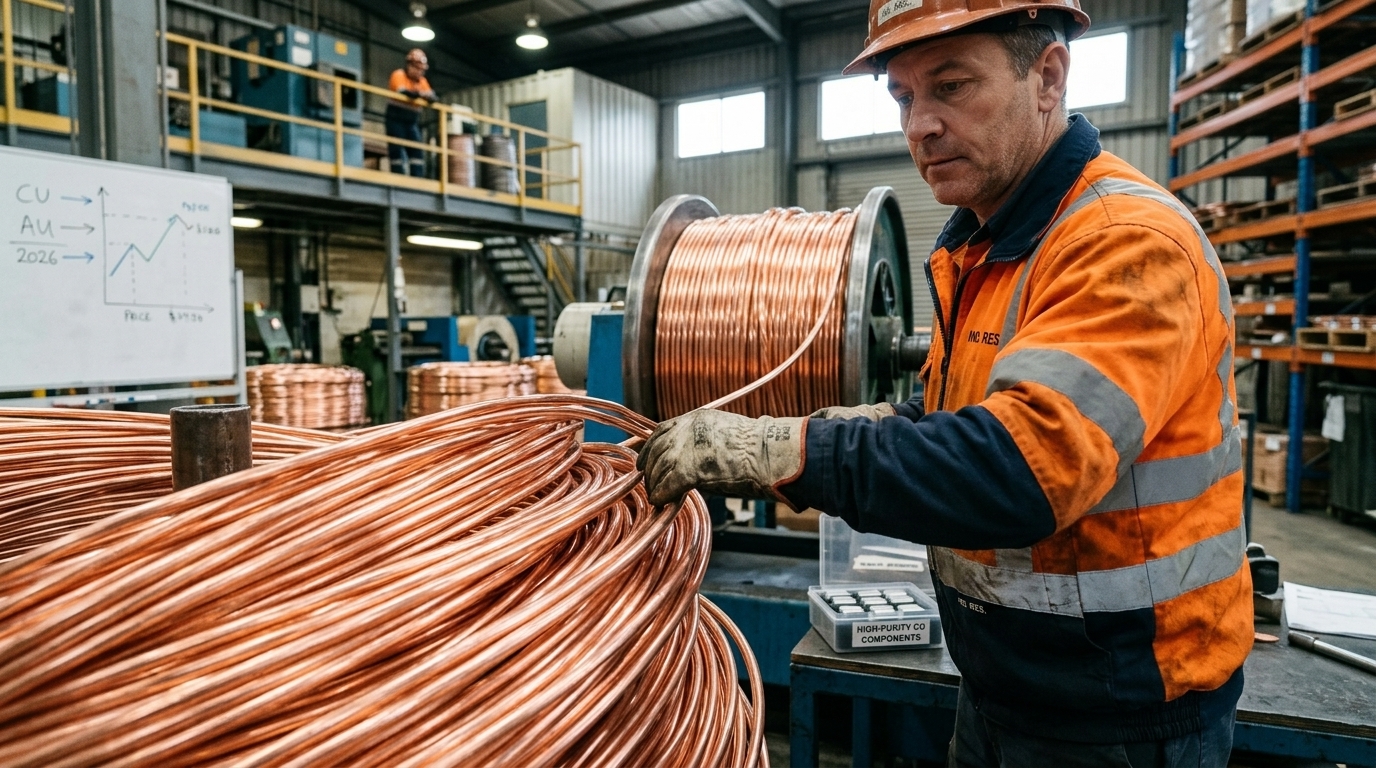
"The battle for AI supremacy will be fought not only in algorithms but in concrete, copper, and electricity," industry analysts note.
The 2025-2030 period will be characterized by a shift toward renewable energy. Companies that manage to combine high computational power with a low carbon footprint will be the big winners in the market.
Outlook for 2030
By 2030, the AI Data Center market in Asia-Pacific is expected to hold the largest share globally, surpassing North America. The region will be the primary exporter of AI services, supporting everything from smart agriculture to advanced medical diagnostics. For investors and businesses, the message is clear: the heart of the digital revolution is now beating in the East.