

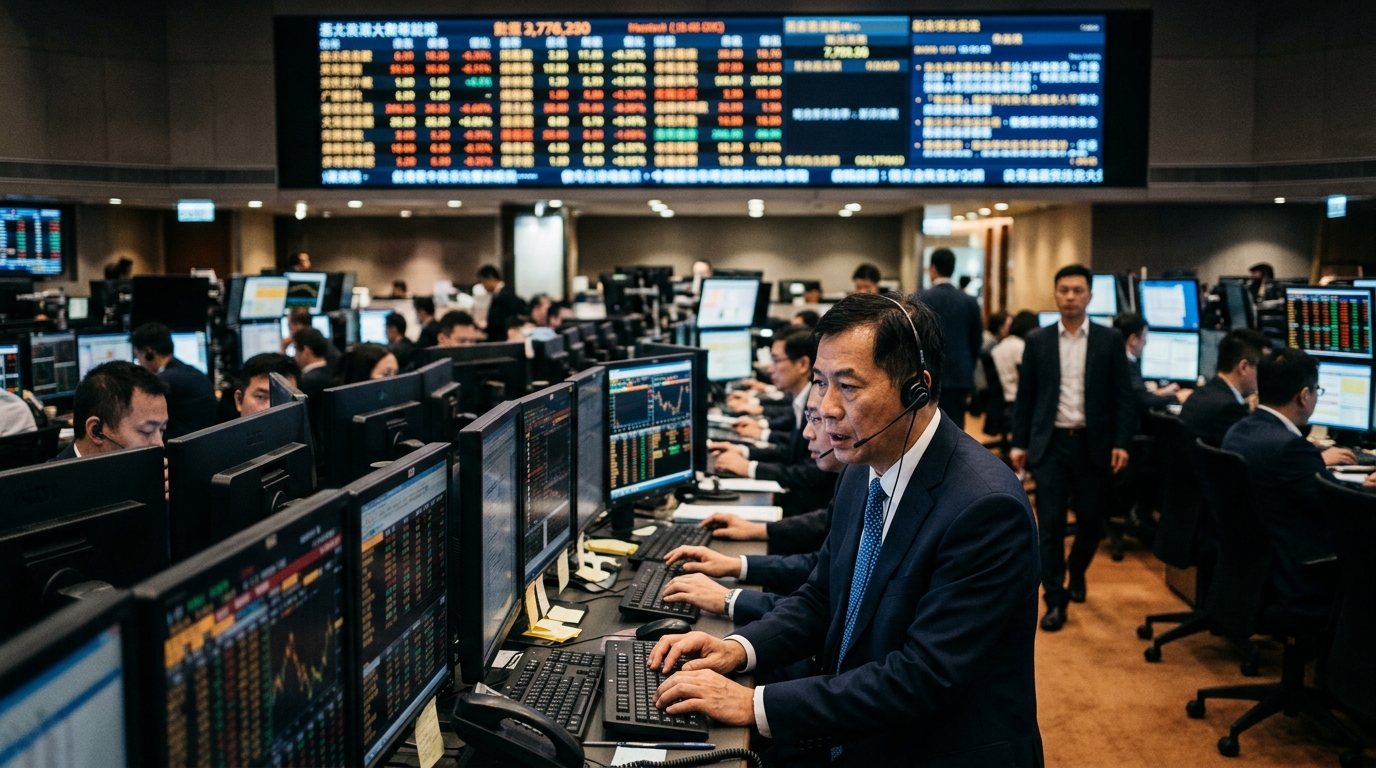
The recent surge in Alibaba’s stock price, jumping nearly 10% in a single session, is more than just a fluctuation on a ticker tape; it is a definitive signal that the Chinese tech landscape is entering a new, aggressive phase of growth. After years of regulatory crackdowns and internal restructuring, Alibaba has pivoted its entire weight toward artificial intelligence (AI). This rally, which sparked a broader lift for peers like Baidu and Tencent, suggests that investors are finally pricing in China’s potential to dominate the generative AI sector despite significant geopolitical hurdles.
The Open-Source Gambit: Qwen’s Strategic Edge
At the heart of Alibaba’s resurgence is its "Qwen" (Tongyi Qianwen) family of large language models. While American leaders like OpenAI and Google have largely kept their most advanced models behind proprietary walls, Alibaba has embraced an open-source strategy. By releasing high-performing models to the public, Alibaba has rapidly built a massive ecosystem of developers and enterprises. This is not merely altruism; it is a calculated business move to drive traffic to Alibaba Cloud. As thousands of startups build their applications on Qwen, they naturally gravitate toward Alibaba’s infrastructure to host them.
Technical benchmarks indicate that Qwen-Max and its iterations are now performing at levels comparable to GPT-4, particularly in coding, mathematics, and multilingual capabilities. For a company that was once seen primarily as an e-commerce platform, this shift into high-end software and infrastructure represents a fundamental change in its identity. Investors are beginning to value Alibaba not as a "Chinese Amazon," but as a diversified tech titan akin to Microsoft, where cloud margins and AI services provide the long-term growth engine.
Geopolitics and the Rise of Sovereign AI
The rally comes at a time when the "chip wars" between Washington and Beijing are at their peak. US export bans on high-end GPUs from Nvidia have forced Chinese giants to innovate under pressure. Alibaba has been at the forefront of this, optimizing its software to run efficiently on domestic hardware and investing heavily in its own chip design unit, T-Head. The concept of "Sovereign AI"—the idea that a nation must own its AI infrastructure and models to ensure cultural and economic security—has become a cornerstone of Chinese policy. Alibaba is the primary vehicle for this ambition.
Furthermore, the regulatory environment in China has shifted from "rectification" to "support." Beijing recognizes that in the global race for AI supremacy, its national champions must be allowed to compete and win. This easing of domestic pressure has removed a major overhang on the stock, allowing institutional investors to return to Chinese tech with renewed confidence. The market is now betting that the CCP will provide the necessary tailwinds for these companies to lead the Fourth Industrial Revolution.
Economic Implications and Market Sentiment
While the AI narrative is compelling, it must be balanced against China’s broader economic challenges, including a sluggish real estate market and cautious consumer spending. However, the AI rally is distinct because it focuses on productivity gains and the B2B sector. Alibaba Cloud’s profitability is improving, and the integration of AI into its core e-commerce platforms (Taobao and Tmall) is already yielding higher conversion rates through hyper-personalized shopping experiences.
- Alibaba Cloud remains the dominant player in the Asian market, expanding rapidly into Southeast Asia and the Middle East.
- The company’s focus on "AI-first" restructuring has streamlined operations and reduced legacy costs.
- Western institutional capital is flowing back into Chinese tech as valuation gaps between US and Chinese firms become too wide to ignore.
In conclusion, Alibaba’s 10% jump is a testament to the market's belief in the company’s technological depth. China is not merely playing catch-up; it is leveraging its massive data pools and manufacturing base to apply AI at a scale the world has yet to see. For Alibaba, the transition from a retail giant to an AI powerhouse is no longer a plan—it is a reality that is reshaping the global economic order.





