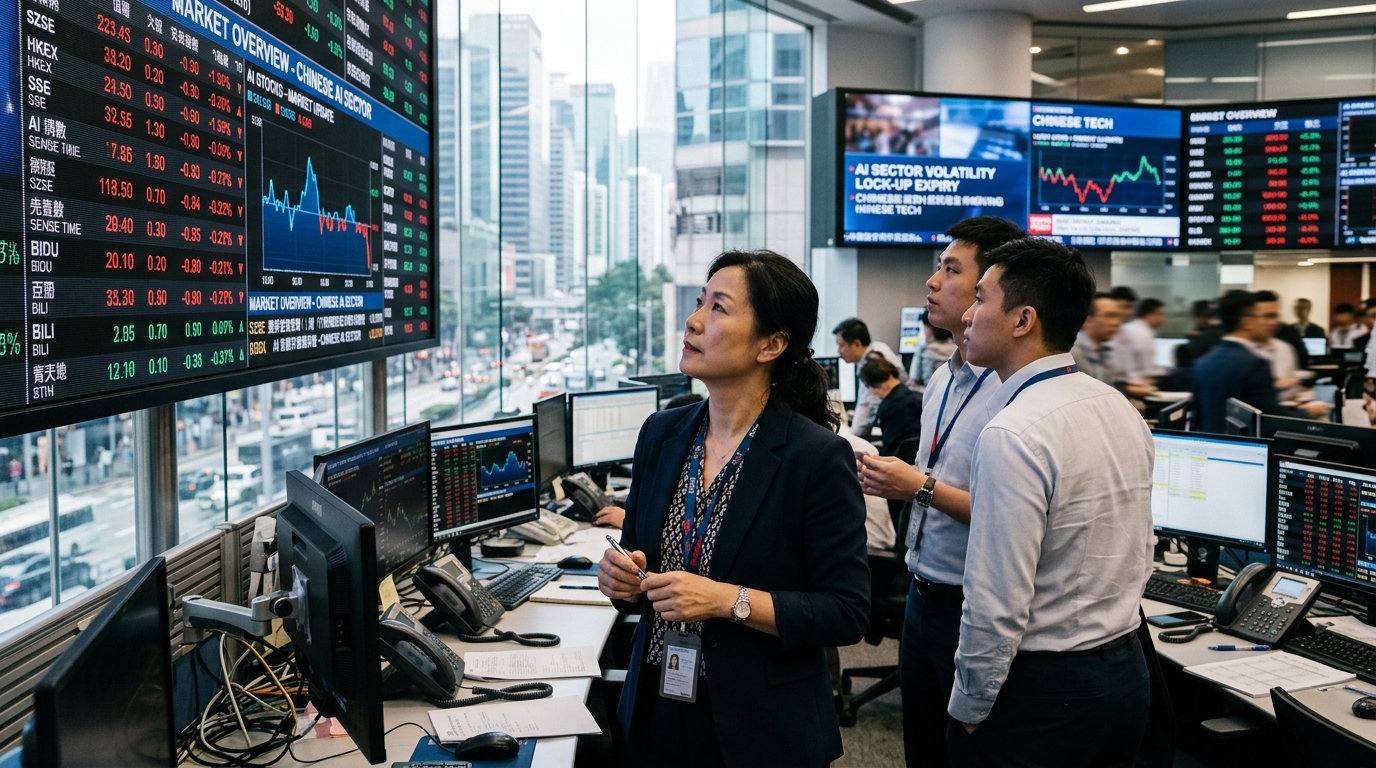
The Chinese artificial intelligence landscape is reaching a critical inflection point as a massive wave of capital prepares for potential exit. According to recent reports, the lock-up expiry for shares valued at approximately $11.5 billion in China's leading AI startups, including Zhipu AI and MiniMax, is sending ripples through the investment community. This development is not merely a routine financial milestone; it is a stress test for the Chinese Generative AI ecosystem, which is currently balancing astronomical expectations against harsh economic realities.
The Rise of the 'Four New Tigers'
Over the past two years, China has minted a new generation of AI champions, collectively known as the 'Four New Tigers': Zhipu AI, Moonshot AI, MiniMax, and 01.AI. These firms, backed by tech giants like Alibaba, Tencent, and Meituan, alongside state-affiliated funds, have seen their valuations soar. Zhipu AI, born out of the prestigious Tsinghua University, has successfully positioned itself at the apex of Chinese Large Language Model (LLM) development, securing significant tranches of funding.
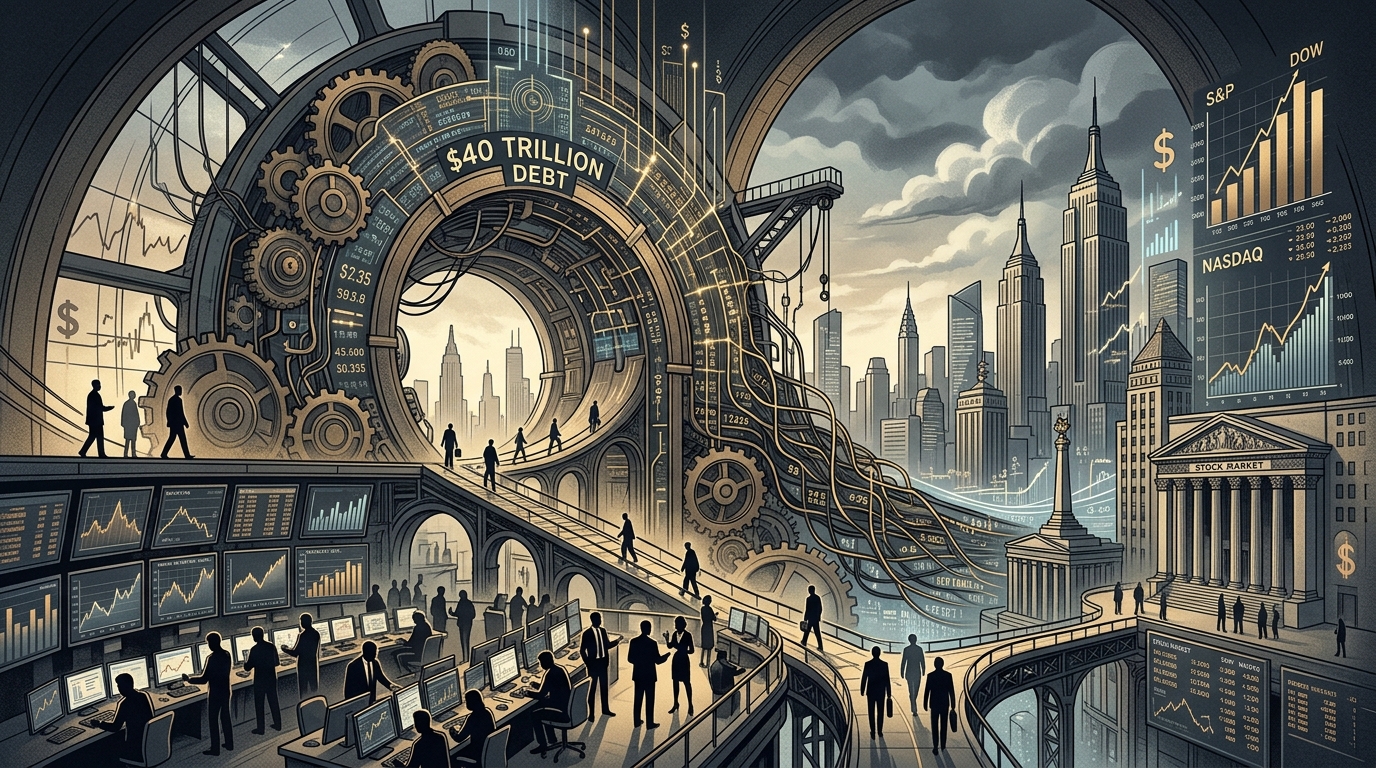
However, the expiry of the lock-up period means that early-stage investors, including venture capital firms and strategic partners, now have the legal right to liquidate their holdings. In a global environment characterized by tightening liquidity and heightened geopolitical friction with the United States—which directly impacts the flow of US dollars into Chinese tech—the potential for a mass sell-off could exert immense downward pressure on these companies' paper valuations.
Price Wars and the Strategy for Survival
The timing of this expiry could hardly be more complex. The Chinese AI sector is currently embroiled in a ruthless price war. Major incumbents like ByteDance and Alibaba have aggressively slashed the costs of their AI APIs, forcing smaller startups to either follow suit or find specialized niches to maintain relevance. MiniMax, which focuses heavily on consumer-facing applications and social AI interaction, is attempting to differentiate itself, but the constant need for capital remains a glaring vulnerability.
"We are no longer in the phase of hype; we are in the phase of performance. Investors want to see revenue streams, not just model parameters," notes a Beijing-based market analyst.
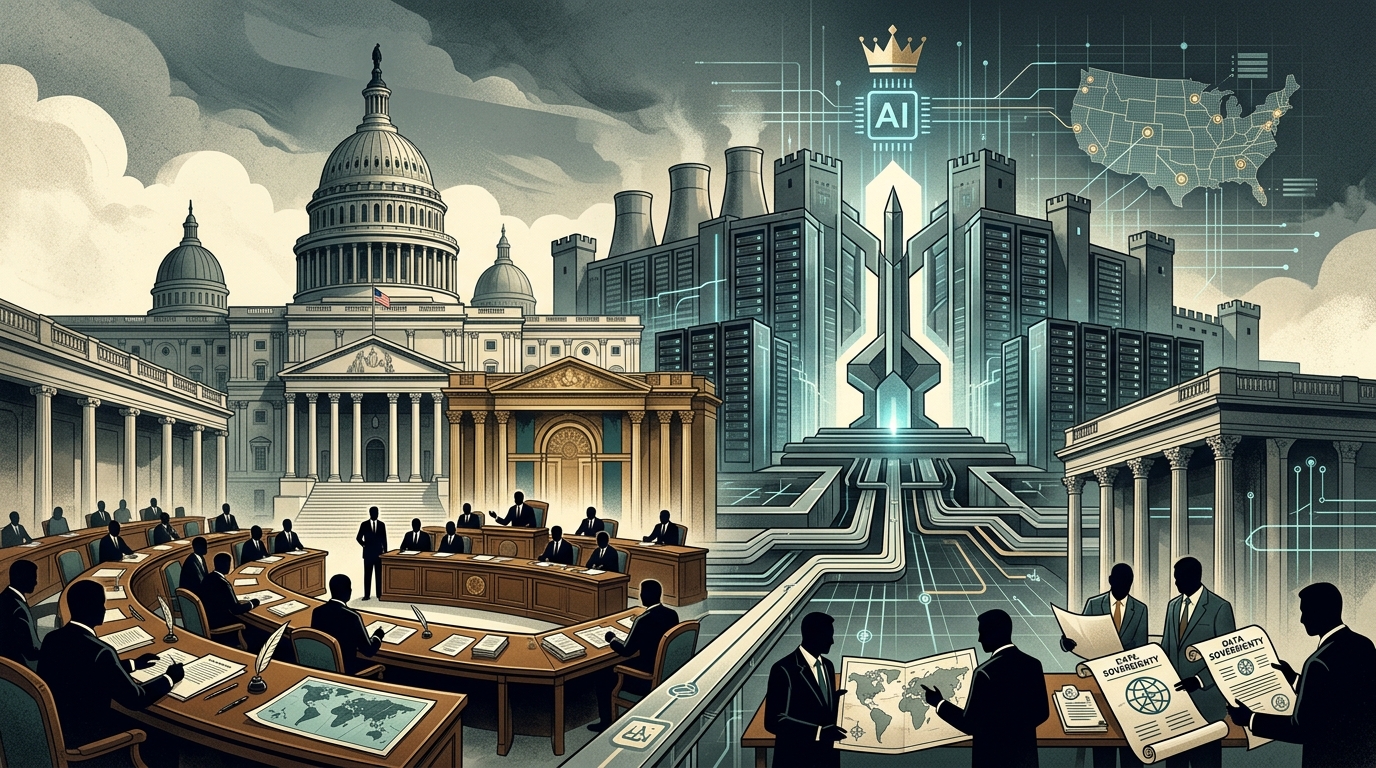
Zhipu AI has adopted a more 'open' enterprise-centric approach, offering models that can be deployed locally within corporate infrastructures—a significant advantage in a Chinese market where data sovereignty is a top priority. Nevertheless, the $11.5 billion looming over the market begs the question: How many original backers still believe in the long-term vision, and how many are seeking a swift exit before the window closes?
Geopolitics and the Quest for Technological Autonomy
Another factor weighing heavily on the equation is the ongoing US semiconductor export restrictions. Chinese AI firms are being forced to innovate using less powerful hardware or rely on domestic alternatives from the likes of Huawei. This necessity increases the cost of model training and thins profit margins. The market is increasingly skeptical about whether the 'Tigers' can realistically match the performance of Western models like GPT-4 or Claude 3.5 without access to NVIDIA's cutting-edge H100 or B200 chips.
In conclusion, the lock-up expiry for Zhipu and MiniMax serves as a maturity test for the entire sector. If investors choose to hold their positions, it will be interpreted as a massive vote of confidence in China's ability to build a self-sustaining and profitable AI industry. However, a mass exodus would signal that the era of easy money in Chinese tech is officially over, necessitating a radical rethink of how high-tech ventures are funded in the world's second-largest economy.