As we navigate the summer of 2026, the promise of Artificial Intelligence (AI) as the ultimate productivity catalyst is facing a harsh macroeconomic reality. While optimists predicted that AI would lower production costs and lead to a deflationary paradise, the reality of massive capital expenditure (CapEx) suggests otherwise. Silicon Valley giants, in a bid to dominate the digital infrastructure of the future, are funneling hundreds of billions of dollars into the market, creating a demand vortex that keeps inflation "sticky" at levels that concern the US Federal Reserve.
The Capital Expenditure Juggernaut
The scale of investment is unprecedented. Big Tech firms—including Microsoft, Alphabet, Amazon, and Meta—have ramped up spending on data centers and semiconductor chips to levels reminiscent of the Space Race. This massive influx of liquidity into the real economy for hardware purchases, securing real estate for data centers, and hiring specialized personnel acts as a massive fiscal stimulus. In an economy trying to find its footing after years of volatility, this demand pushes the prices of raw materials and energy upward.
According to market analysts, the AI spending boom is not a fleeting bubble but a structural reallocation of capital. The problem lies in the fact that while the spending is happening today, the productivity gains—which could offset inflation—may take years to materialize. This time lag creates a dangerous zone where the cost of living remains high, as supply cannot keep pace with artificially inflated demand.
Energy and Labor: The Supply Side Constraints
Two key pillars are driving inflation through AI: energy and specialized labor. Next-generation data centers require enormous amounts of electricity, leading to rising utility bills and straining power grids worldwide. The push for "green" energy to power these facilities has led to a competition for resources that would otherwise be directed toward residential consumption or other industries.
- Increased electricity costs due to 24/7 data center operations.
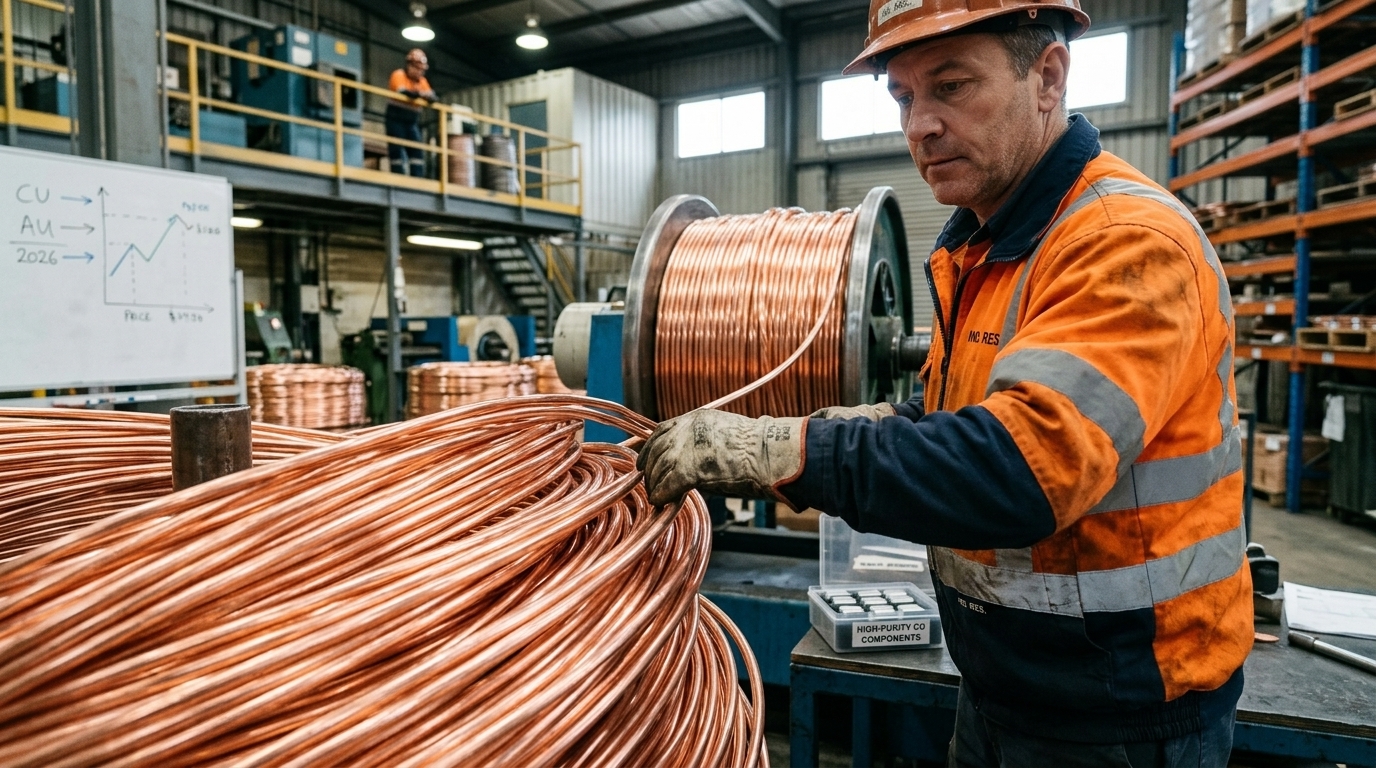
- Shortages in critical metals and materials for AI infrastructure construction.
- Skyrocketing salaries for AI engineers, dragging up wage costs across the entire tech sector.
Furthermore, the "war for talent" has reached a saturation point. Salaries for experts in data science and model training have surpassed all precedents, creating secondary inflationary pressures in the services sector. When market leaders pay astronomical sums, these costs are eventually passed on to the consumer through subscription services and tech products.
The Federal Reserve's Dilemma
For the Federal Reserve, this situation is a policymaking nightmare. While the central bank wishes to lower interest rates to support growth, persistent AI-fueled inflation forces it to keep borrowing costs elevated. "Higher for longer" seems to be the operative mantra for 2026.
"The AI revolution is a capital-intensive event that the market had not fully priced in. It’s not just about software; it’s about cement, copper, and electricity," notes a senior investment bank executive.
The concern is that high interest rates, while aimed at taming inflation, may disproportionately harm non-tech sectors of the economy, such as housing and small-to-medium enterprises. This creates a two-speed economy: an overheated tech sector that can withstand the high cost of money, and the rest of the market which is left gasping for air.
Conclusion: A Fragile Balance
The current AI spending boom is a double-edged sword. On one hand, it is building the infrastructure for the next industrial revolution. On the other, it threatens the macroeconomic stability that central banks have worked so hard to regain post-pandemic. 2026 will be remembered as the year humanity realized that intelligence—even artificial—comes with a very real and very expensive price tag.