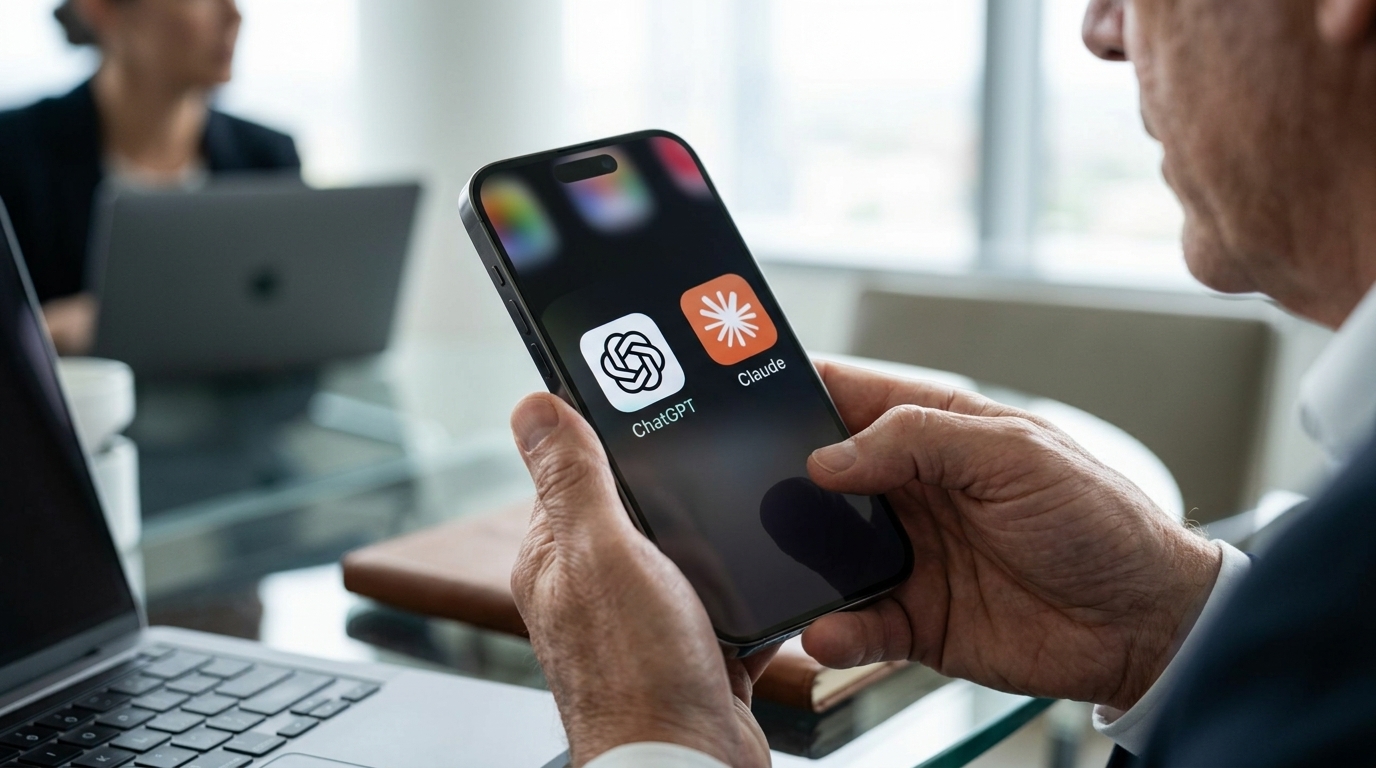
Major US artificial intelligence labs, including OpenAI and Anthropic, are drastically cutting prices for their AI models as they face mounting pressure from Chinese competitors. This shift marks a significant strategic pivot, with companies moving from competing solely on performance to aggressive cost-cutting to retain price-sensitive clients.
Chinese Incursion into Silicon Valley
Chinese developers such as Moonshot and DeepSeek are expanding their presence in markets ranging from Silicon Valley to Europe. High-profile companies, including DoorDash and Airbnb, have stated they are now utilizing Chinese-made AI models in an effort to curb rising costs. The proliferation of capable "open" Chinese models, which can be downloaded and modified freely, is challenging the dominance of proprietary "closed" models from American firms.
Aggressive Cuts and New Pricing Tiers
OpenAI recently announced an 80% price reduction for its GPT-5.6 Luna model, dropping the cost from $1 to $0.20 per 1 million input tokens. Similarly, Anthropic launched its Claude Opus 5 at half the price of its flagship Fable 5 model and canceled a planned price hike for its Sonnet 5 model that was set for September.
- Token prices for top-tier US models have fallen by nearly a quarter since mid-July.
- Corporate users are being moved from fixed subscriptions to usage-based billing models.
- Both OpenAI and Anthropic are eyeing IPOs with trillion-dollar valuations, heightening the pressure to prove ROI to investors.
Complexity Beyond Token Prices
Despite the cuts, comparing AI costs remains difficult. According to Artificial Analysis, different "effort" settings impact both performance and the final bill. For instance, Anthropic’s Opus 5 at "medium" effort provides similar performance to Moonshot’s Kimi K3 at "max" effort. This suggests that a model with a higher nominal token price may actually be more cost-effective if it completes tasks more efficiently.