

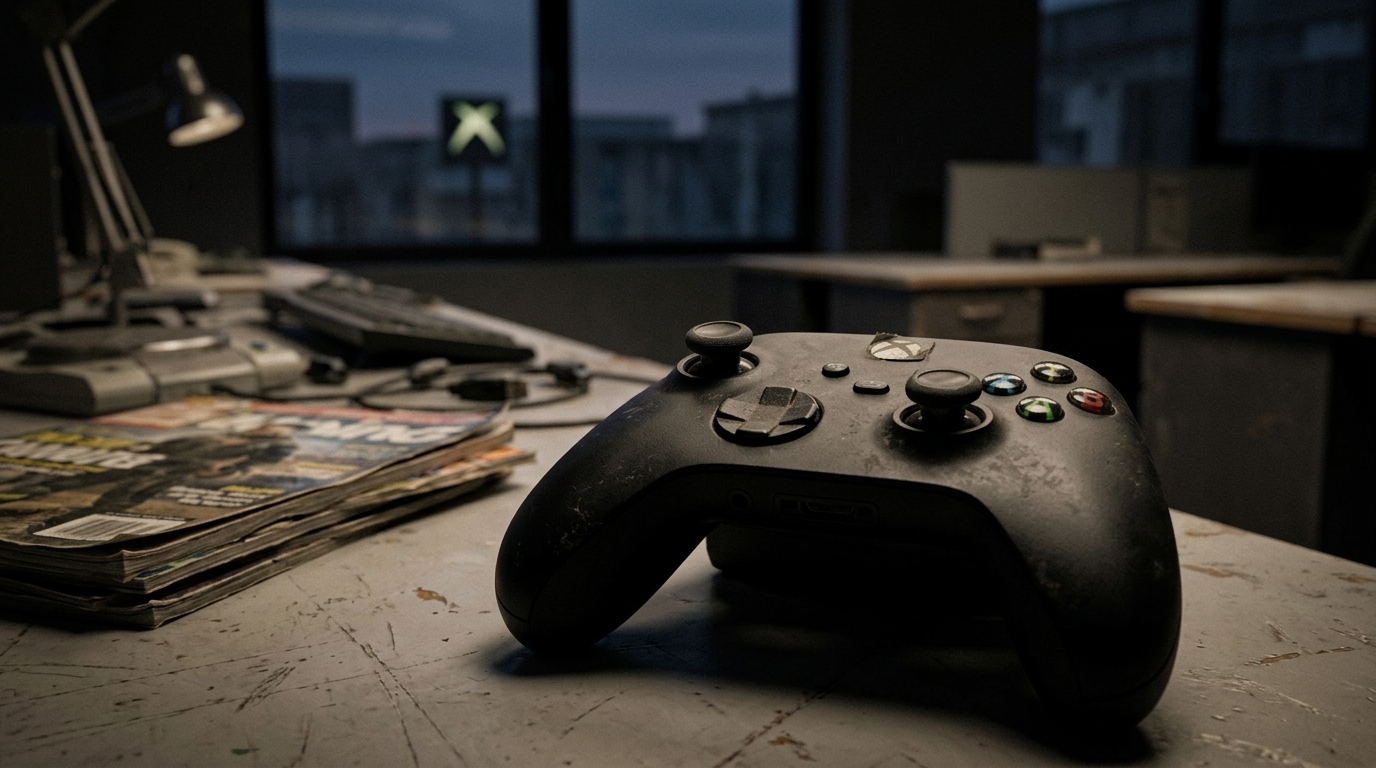
Microsoft's announcement of cutting 3,200 jobs in its gaming division by fiscal year 2027 is more than just a corporate restructuring; it is a loud signal of the end of an era of unbridled expansion. In an industry once considered "recession-proof," the shocks caused by skyrocketing production costs and a slowdown in subscription models are creating a new, darker landscape for both creators and players.
The Heavy Toll of Massive Acquisitions
Microsoft's strategy in recent years has focused on the aggressive acquisition of giants, culminating in the $69 billion purchase of Activision Blizzard. While these moves gave the tech giant control over historic franchises like Call of Duty and World of Warcraft, they also brought immense organizational complexity. The 3,200 layoffs being rolled out are part of an effort to "rationalize" duplicate roles and reduce the operational overhead that came with integrating these massive entities.
However, the crisis is not limited to Microsoft. Sony, Electronic Arts, and Ubisoft have also undergone massive cuts. The common denominator is the "bubble" of AAA development costs. Today, a high-end game can cost over $200 or $300 million and take six to seven years to complete. This model leaves zero room for error: a commercial failure can now lead to the closure of entire studios, as seen with the recent case of Tango Gameworks.
The Game Pass Paradox and Subscription Stagnation
For years, Xbox Game Pass was marketed as the "Netflix of Gaming," a platform that would change content consumption forever. While the service boasts millions of subscribers, data suggests that growth has plateaued, particularly in the console market. Players seem hesitant to commit to yet another monthly subscription, while the cost of providing "day-one" releases on the service deprives Microsoft of direct sales revenue that could amount to hundreds of millions of dollars.
The shift in player habits post-pandemic also plays a critical role. During lockdowns, engagement with video games skyrocketed, leading to excessive hiring and investment. Now that the world has returned to pre-pandemic routines, the market is discovering that demand cannot support the size the industry reached. The pivot toward "live service" games has also created saturation, as players have limited time to dedicate to multiple titles requiring daily engagement.
The Creative Drain and the Future
The most concerning aspect of these layoffs is the loss of talent. When experienced programmers, designers, and artists are let go, the industry's collective knowledge takes a hit. There is a fear that companies will become even more conservative, investing only in safe sequels and remakes, avoiding any creative risk that could bring something truly innovative.
- The need for sustainable production models with smaller budgets.
- A shift toward AI to reduce development costs (a move already causing backlash).
- The strengthening of the independent (indie) scene as the sole source of originality.
In conclusion, the crisis at Xbox is a symptom of an industry trying to find its new equilibrium. The era of "blank checks" is over, and Microsoft, despite its massive size, is forced to prove to its shareholders that gaming is not just a passion but a profitable business with predictable results. The question that remains is whether this new corporate austerity will kill the magic that made video games the most dynamic form of entertainment in the 21st century.





