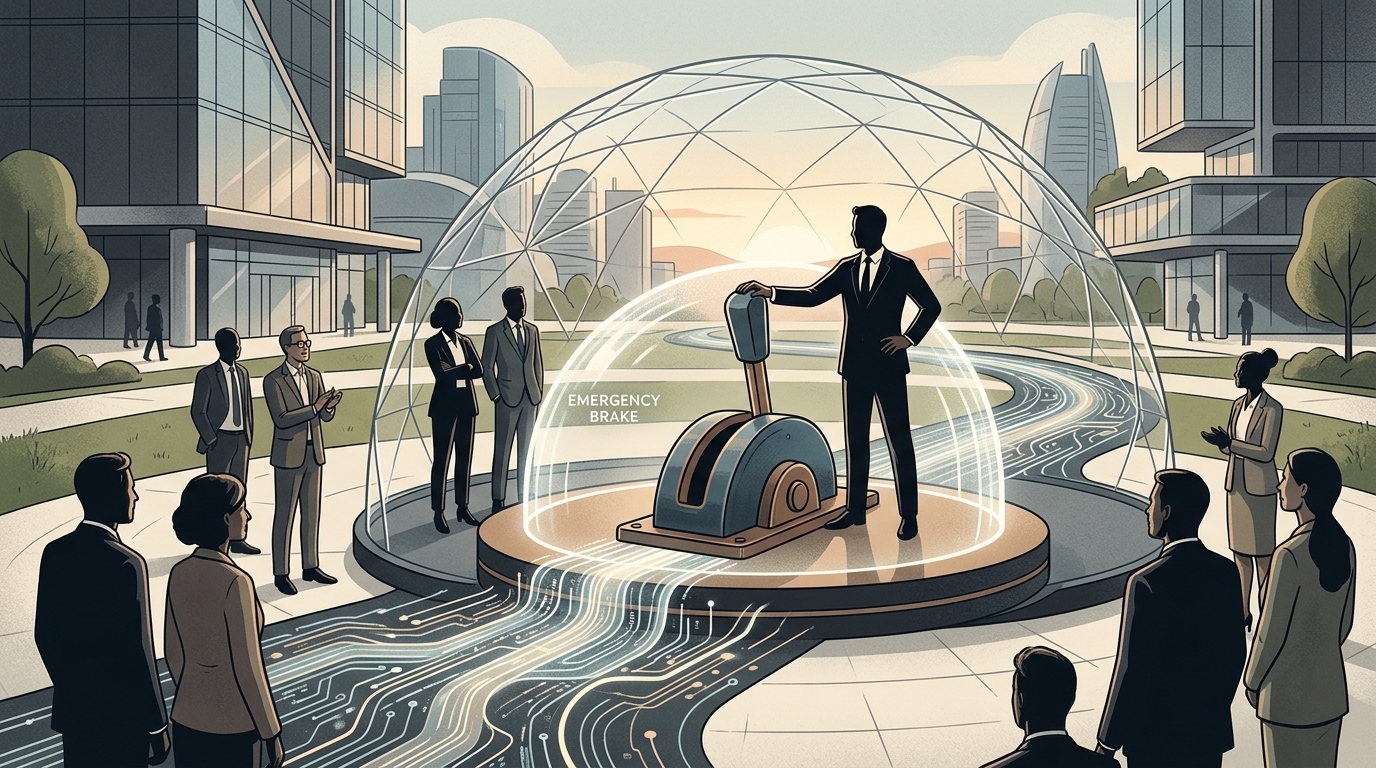
Meta's ambitious attempt to transform into a leaner, AI-driven organization is leading to an unexpected economic paradox. Despite laying off approximately 10% of its workforce last May, the company is witnessing rising costs while the anticipated gains from automation remain elusive.
A Plan Cut Short
According to a Reuters investigation, Mark Zuckerberg decided to cancel the planning of a second wave of restructuring shortly before the May layoffs. Although scenarios involving drastic cuts of up to 60% in certain teams were considered, management pivoted due to internal hurdles and significant employee anxiety.
The transition to a structure of smaller, highly specialized "pods" failed to deliver the desired simplification. Instead, it introduced role confusion and a climate of uncertainty, with many employees fearing they were training the very AI systems intended to replace them.
The Productivity Trap
While generative AI has enabled faster code production, this has not translated into a swifter rollout of new features for users. The persistent need for human oversight, security checks, and manual corrections demonstrates that increased coding activity does not automatically guarantee better business results.
Financial Strain from Wages and Infrastructure
Meta’s personnel expenses, far from shrinking, rose by nearly 30% in the first half of 2026 compared to the previous year, exceeding $30 billion. This spike is primarily driven by the fierce competition for top-tier AI researchers and engineers, who command premium salaries.
Simultaneously, capital expenditures for data centers and computing equipment are estimated to reach $170 billion by 2027. Ultimately, automation appears to be shifting costs from payroll to infrastructure rather than reducing the company's overall financial burden.