In a move that sends shockwaves through both Silicon Valley and Hollywood, Google has announced a $75 million investment in A24, the production powerhouse synonymous with the renaissance of prestige, independent cinema. This partnership is far more than a simple financial transaction; it marks the official commencement of an era where artificial intelligence models will be trained on the pinnacle of human creativity, aiming to fundamentally alter how stories are produced and consumed.
The Strategic Value of A24 for the Search Giant
Why did Google choose A24? The answer lies in data quality. In a world where AI models like Gemini and Veo have already "consumed" most of the freely available internet, the need for high-quality, structured, and emotionally resonant content is paramount. A24, with its roster of hits like 'Everything Everywhere All at Once' and 'Moonlight,' possesses a library that serves as the gold standard for modern storytelling.
This investment allows Google to gain access to archives that will help its models understand the subtle art of film editing, the dynamics of dialogue, and visual aesthetics that evoke genuine emotion. It is no longer about generating random images; it is about learning the structural DNA of an award-winning film. For Google, A24 represents the vital link between cold code and the artistic soul.
Technology at the Service of Production
The collaboration is expected to focus on three core pillars: pre-production, visual effects (VFX), and distribution. By utilizing generative AI tools, A24 creators could experiment with storyboards in seconds, test different lighting setups on digital stages, or even localize films into dozens of languages while preserving the actors' original vocal nuances.
- Automation of Labor-Intensive Tasks: Processes like rotoscoping and color grading could be completed in a fraction of the time currently required.
- Personalized Marketing: Using AI to generate trailers tailored to the specific interests of diverse audience segments.
- Experimental Narrative: Creating interactive experiences based on the cinematic universes of A24 films.
However, this move is not without its risks. The creative community remains skeptical, fearing that automation could lead to a "homogenization" of art, where algorithms suggest solutions based on what has already succeeded, potentially stifling the experimentation that made A24 famous in the first place.
Ethical Dilemmas and the Future of IP
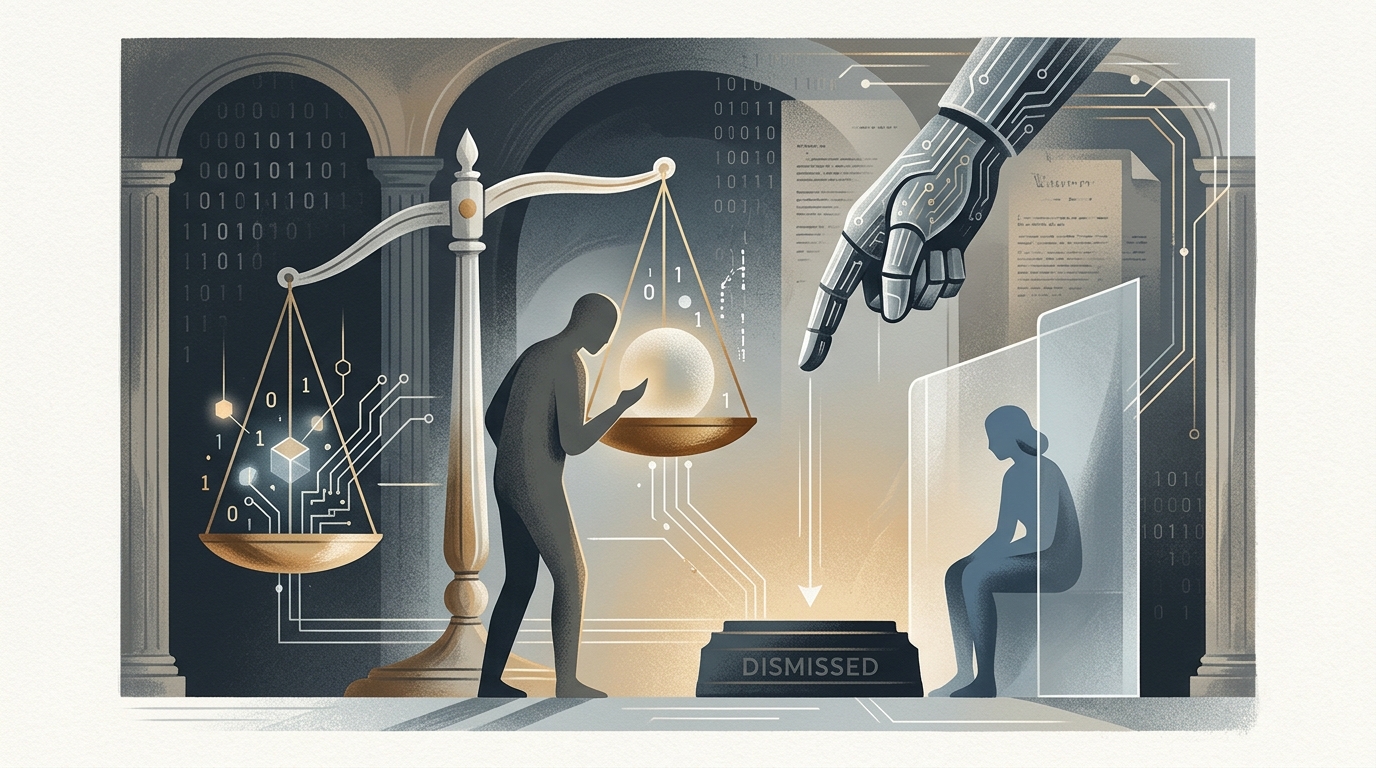
The $75 million investment comes at a time when relations between Silicon Valley and creative guilds are strained. Following the historic strikes by writers and actors in 2023-2024, the issue of using human talent to train machines remains a flashpoint. Google appears to be choosing the path of collaboration and licensing rather than unauthorized use, attempting to set a new standard for ethical partnership.
"Art is not just data; it is the capture of the human experience. The challenge is to use technology as a tool for enhancement, not as a replacement," sources close to the deal suggest.
The lingering question is whether independent creators will have a say in this transition, or if A24 will evolve into a laboratory for testing Google's next large-scale models. The balance between profit, technological progress, and artistic integrity has never been more delicate.
Conclusion: A New Cinematic Language
Google's investment in A24 is a clear statement of intent: the future of entertainment will be AI-enhanced. While traditional filmmakers may worry, the history of cinema has shown that every technological revolution—from sound to color, and from CGI to streaming—was initially met with suspicion before becoming the new norm. Google and A24 are betting that the next great story won't just be written with ink or light, but with code.