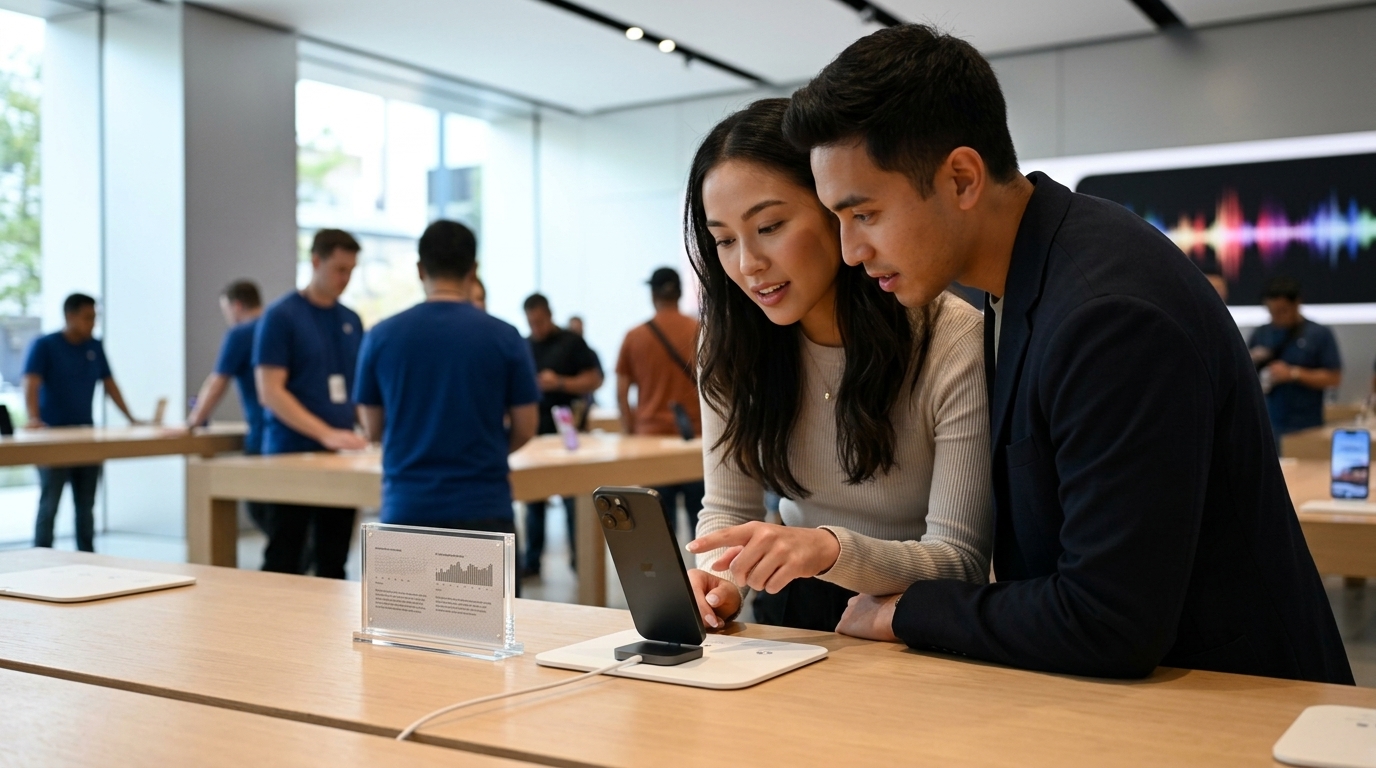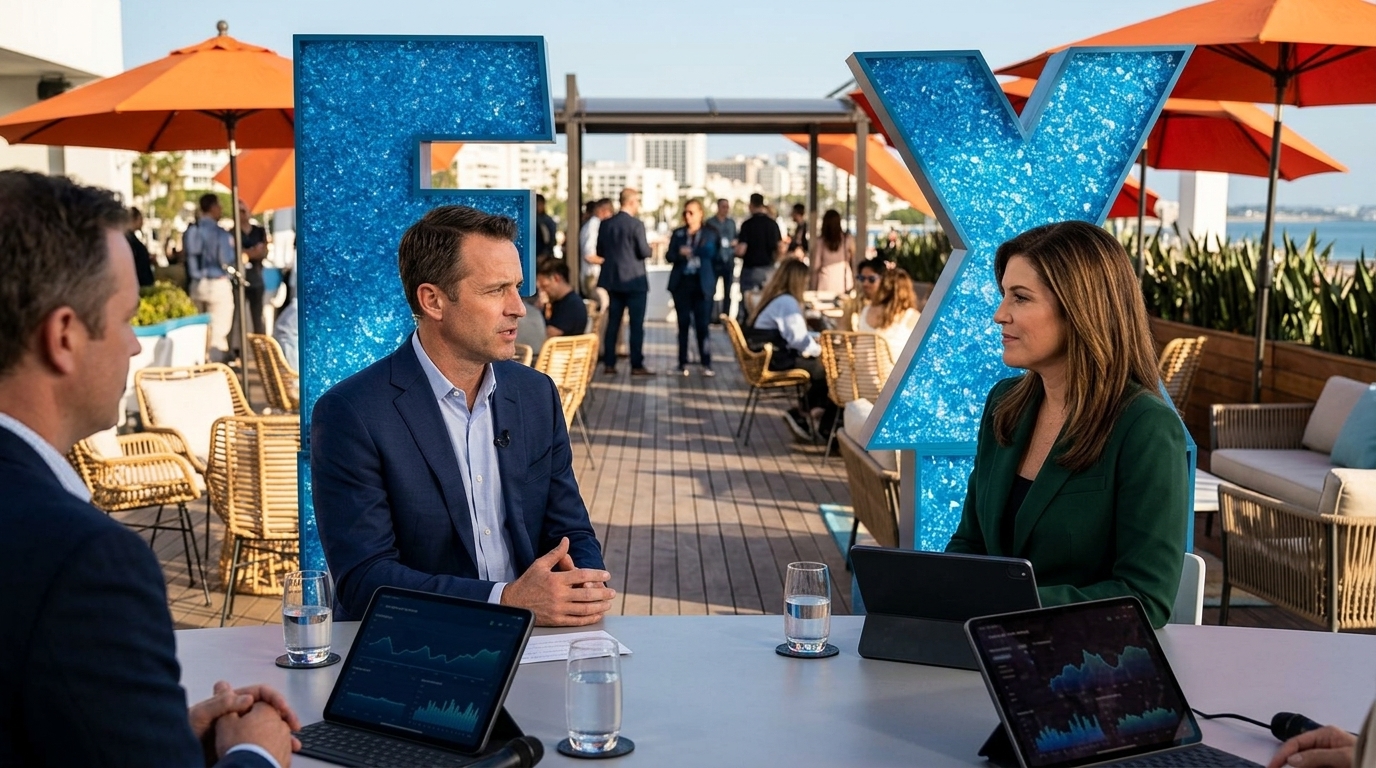
In a move that has sent shockwaves through the global media and technology industries, Fox Corporation has announced a definitive agreement to acquire Roku Inc. for a staggering $22 billion. This deal, expected to close within the next fiscal year, is not merely a corporate merger; it is a strategic manifesto for the future of entertainment: the distinction between content creator and platform provider is officially dead.
The Strategic Convergence of Content and Software
For decades, Fox, under the leadership of the Murdoch family, dominated through linear news and sports broadcasting. However, the meteoric rise of streaming left the company in a precarious position—owning the content but lacking the "pipe" through which it reaches the consumer. By acquiring Roku, Fox gains control of the leading operating system for smart TVs in the United States, obtaining direct access to over 80 million active accounts.
Roku is no longer just a company that makes streaming sticks. It is a data ecosystem. Fox will now know not only what its viewers watch on Fox News or Fox Sports, but also which other apps they use, how much time they spend on different genres, and, most importantly, how they react to advertisements. This vertical integration allows Fox to compete on equal footing with titans like Amazon and Google in the battle for the living room.
Advertising as the New Pillar of Profitability
The true prize of this acquisition is Advertising Technology (AdTech). Roku possesses one of the most sophisticated programmatic advertising platforms in the world. In a landscape where traditional 30-second TV spots are losing their efficacy, the ability to serve targeted, real-time ads is the holy grail of media.
Fox intends to merge its own ad-supported streaming arm, Tubi, into the broader Roku environment. This will create a unified ad marketplace where advertisers can buy specific audiences rather than time slots. Leveraging Roku’s first-party data, Fox can now offer advertisers precision metrics that were previously only possible on the web or social media. This shift from broad demographics to individual user profiles is where the $22 billion valuation finds its justification.
Challenges and Regulatory Hurdles
Despite market enthusiasm, the deal is fraught with risk. Regulatory bodies in the US and the EU are expected to scrutinize the transaction under antitrust laws. The primary concern is whether Fox will use Roku's dominance in the OS market to prioritize its own content at the expense of competitors like Netflix, Disney+, or Max. A "walled garden" approach could trigger significant legal challenges.
Furthermore, there is the issue of political polarization. Fox News is one of the most controversial brands globally. Integrating it into a platform that has historically been viewed as a "neutral" gateway, like Roku, might alienate a segment of the user base. Maintaining user trust while navigating the complex waters of brand safety for advertisers will be a tightrope walk for the new executive team.
The Future of Streaming: Platform Dominance
This move signals the transition to the era of "Streaming 3.0." After the initial phase of content creation (the Netflix era) and the subsequent phase of studio competition (the Disney+ era), we are entering the phase of platform consolidation. The winner will no longer be the one with the best movie, but the one who owns the consumer's home screen. Fox is betting $22 billion on the conviction that the future does not belong to those who produce the show, but to those who control the remote.