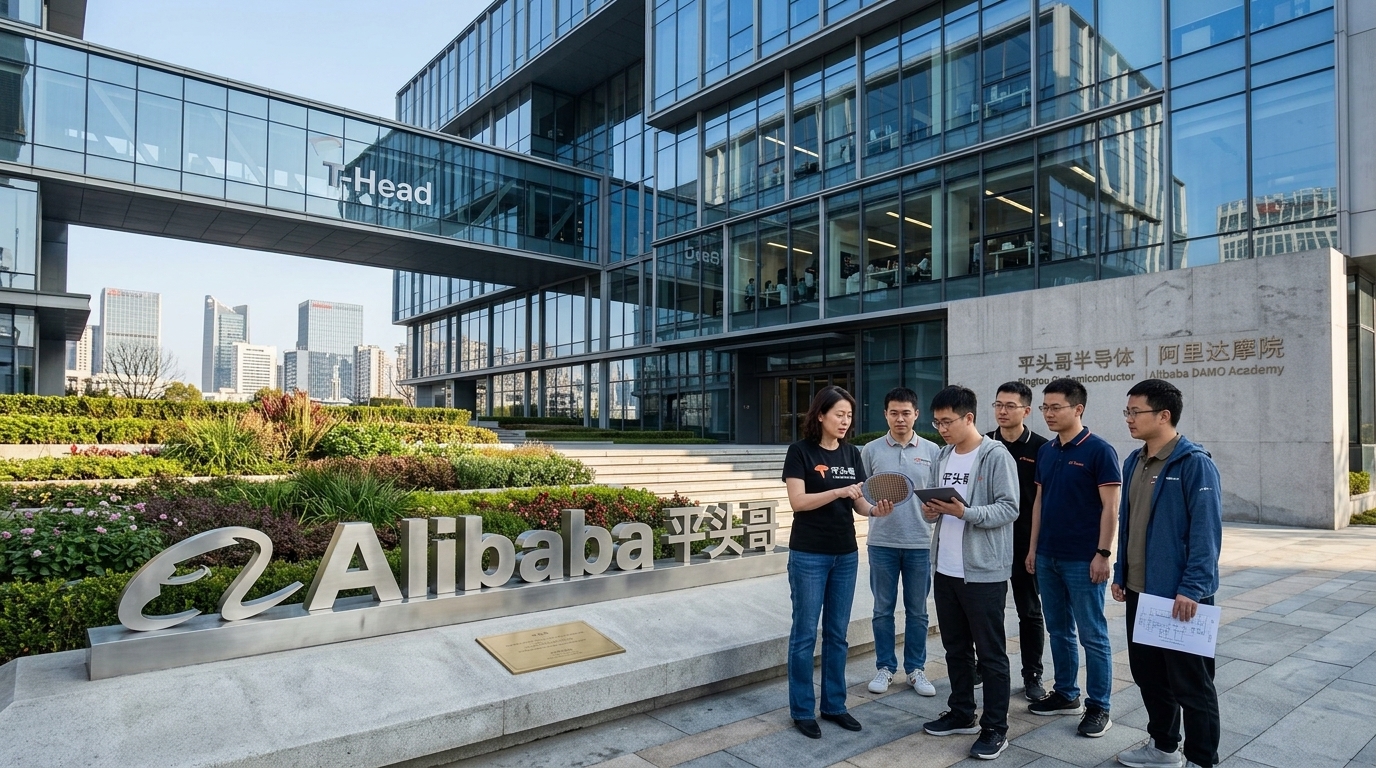
In a major display of technological ambition at the annual Apsara Conference, Alibaba Cloud has unveiled a roadmap aimed at full autonomy and dominance in the AI landscape. Group CEO Eddie Wu presented a strategy covering everything from proprietary silicon to AI models reaching the scale of "superintelligence."
The Race to 10 Trillion Parameters
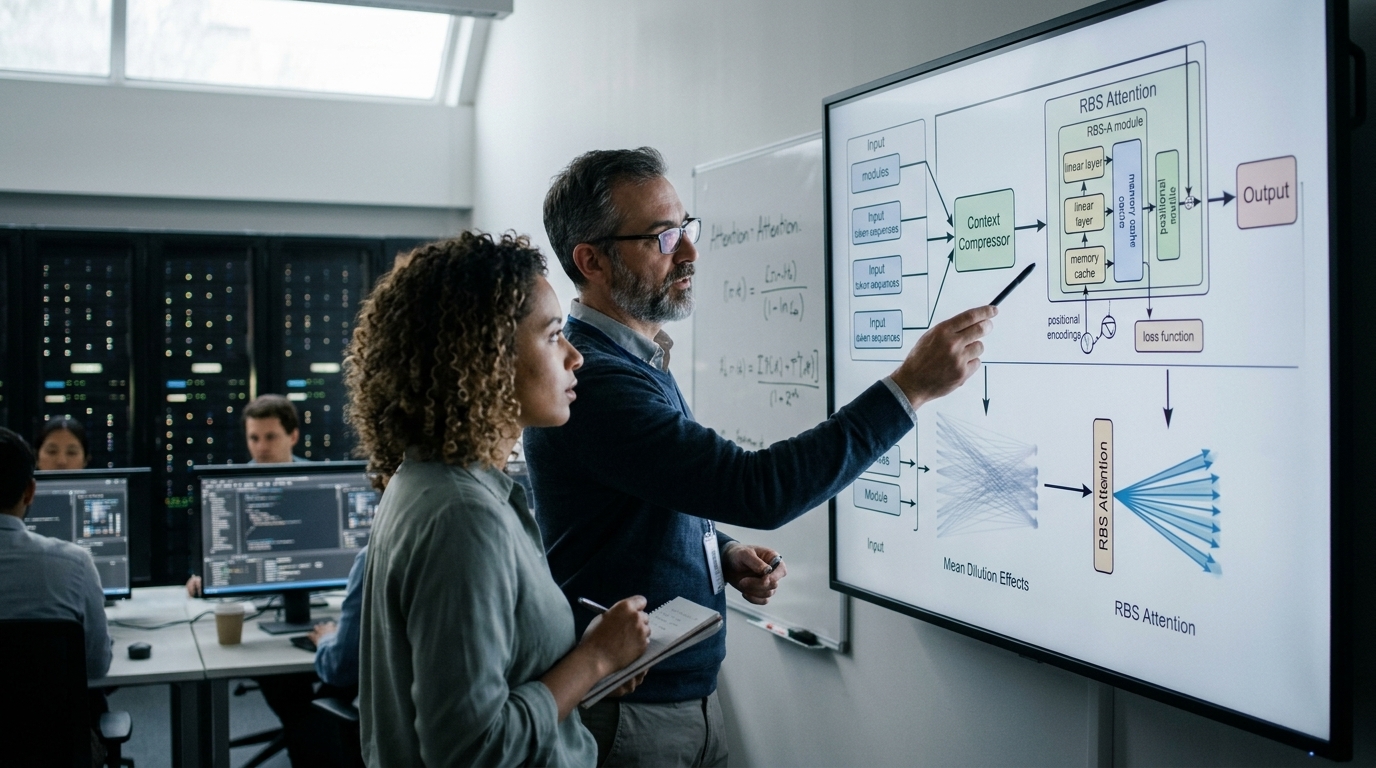
Alibaba announced that its upcoming models, Qwen 4.5 and Qwen 5, are designed to feature between 5 and 10 trillion parameters. This scale is up to four times larger than the current Qwen3.8-Max, which boasts 2.4 trillion parameters. While parameter count alone does not dictate capability, it serves as a clear indicator of the company's intent to build systems capable of increasingly complex, long-duration tasks.
According to Wu, the company is making strides in "recursive self-improvement," a process where models identify their own weaknesses and generate data for further training, moving closer to the goal of Artificial Superintelligence (ASI).
Zhenwu V900: Bypassing Nvidia Restrictions
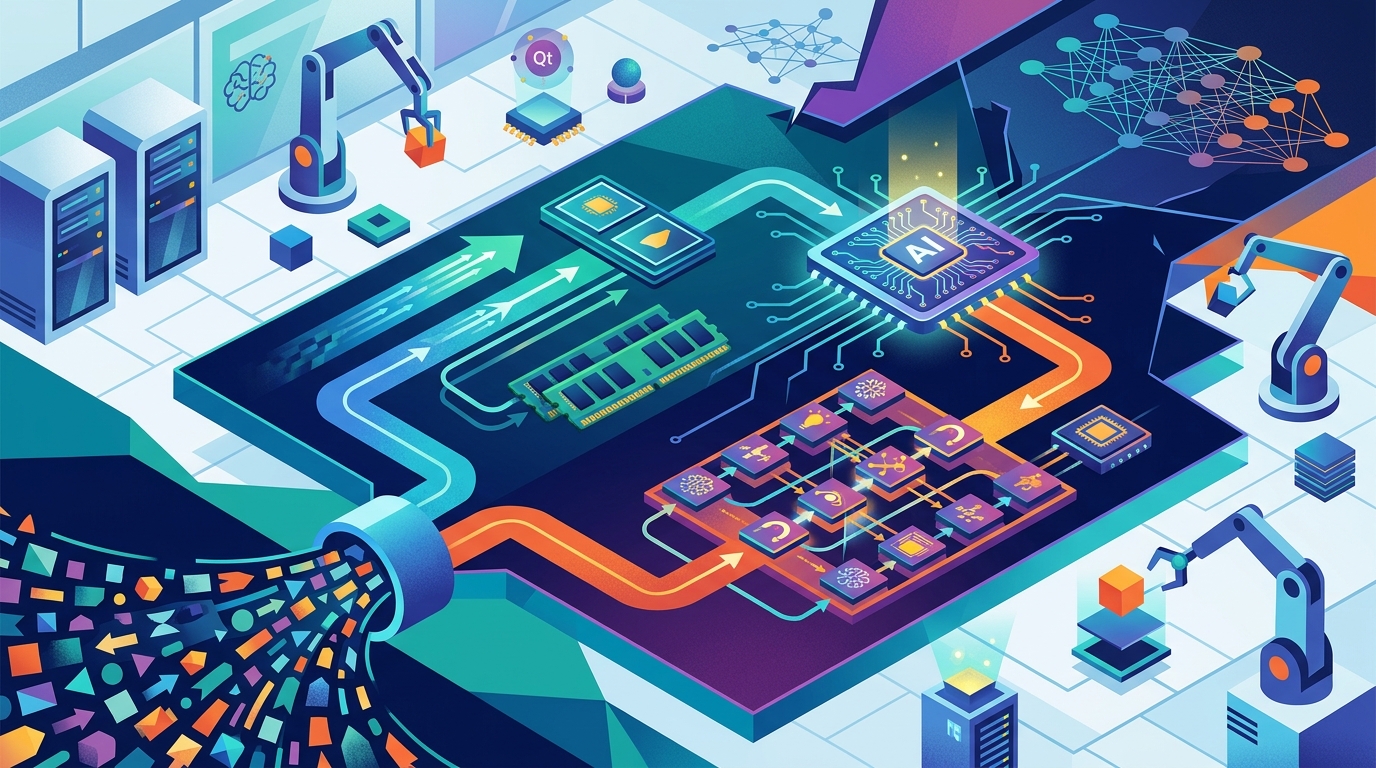
Against the backdrop of US export restrictions on advanced semiconductors, Alibaba introduced the Zhenwu V900. This domestic AI chip reportedly offers a three-fold performance increase over its predecessor. Mass production is scheduled for early 2027, bolstering China's efforts to reduce reliance on Nvidia's hardware for both training and inference.
Infrastructure Goals and the "Machine Intelligence" Era
The strategic plan includes a massive expansion of infrastructure, with a goal for Alibaba Cloud's global data center capacity to exceed 20 GW by 2032. Wu described the current period as the dawn of a "Machine Intelligence" era, likening it to the Industrial Revolution. By controlling the entire stack—from chips and supernodes to foundation models and cloud infrastructure—Alibaba aims to secure its position in the next phase of the global AI race.