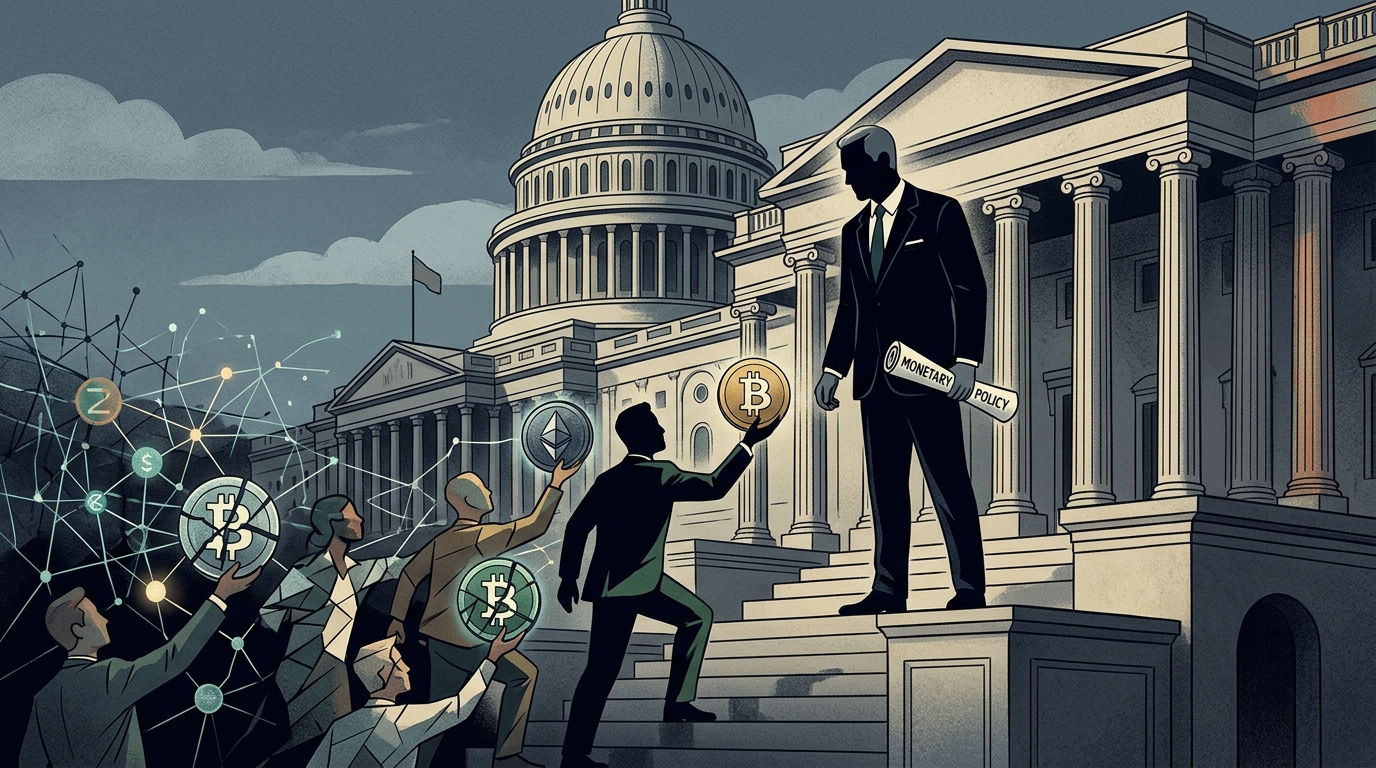
In an era where the lines between traditional economics and digital innovation are increasingly blurred, the Governor of the Bank of Greece, Yannis Stournaras, delivered a powerful message during Fortune Greece's Most Powerful Women Summit. His central thesis was clear and non-negotiable: money is a public good, and its issuance must remain the exclusive prerogative of central banks to ensure financial stability and citizen protection.
Money as a Social Contract
Governor Stournaras began his analysis by addressing the fundamental nature of currency. According to the Governor, money is not merely a medium of exchange but a "public good" rooted in trust and state guarantee. The rise of cryptocurrencies—issued by private entities or decentralized algorithms without state oversight—threatens to overturn this social contract. The "privatization of money," as he termed it, carries the risk of transforming the economy into a field of unregulated speculation where citizens have no protection against extreme volatility.
In his view, the central bank acts as the "lender of last resort," a role that no private cryptocurrency can fulfill. During times of crisis, the central bank's ability to intervene is what prevents a total systemic collapse. If money moves into private hands, this safety mechanism vanishes, leaving the economy exposed to systemic risks reminiscent of the eras before modern banking regulations were established.
The Digital Euro: The Eurozone's Strategic Response
Acknowledging the need for modernization, Mr. Stournaras emphasized that the European Central Bank (ECB) is not standing still. The Digital Euro is the answer to the challenges of the digital age. It is a digital form of cash issued directly by the ECB, offering the same security as physical banknotes but with the convenience of modern electronic payments.
- Universal Acceptance: The digital euro will be legal tender across the Eurozone, ensuring all citizens have access to a secure means of payment.
- Data Privacy: Unlike private payment platforms, the ECB aims for high levels of privacy, preventing the commercial exploitation of user data.
- Complementary Role: It is not intended to replace cash but to work alongside it, offering more choices to consumers.
The Governor stressed that the transition to the digital euro is of strategic importance for European sovereignty. If Europe fails to offer its own digital currency, the vacuum will be filled by foreign private schemes or digital currencies from other global powers, jeopardizing the autonomy of the continent's monetary policy.
Blockchain: Technology vs. Speculation
A crucial distinction made by Mr. Stournaras concerns the difference between blockchain technology and cryptocurrencies as assets. While he was highly critical of cryptocurrencies, describing them as speculative tools rather than real money, he acknowledged the potential of Distributed Ledger Technology (DLT).
Blockchain can revolutionize financial transactions by reducing costs and increasing settlement speeds. The Bank of Greece, like other central banks, is experimenting with these technologies to improve its own infrastructure. However, Mr. Stournaras made it clear that the use of technology does not legitimize the anarchic issuance of currencies. Regulation, such as the EU's MiCA (Markets in Crypto-Assets) framework, is the first step toward bringing order to a "Wild West" of digital assets often linked to money laundering and fraud.
The Social Dimension and Financial Inclusion
Concluding his remarks, the Governor focused on the social responsibility of central banks. Digitalization must not lead to the exclusion of citizens who are less tech-savvy. The digital euro is being designed with inclusion in mind, ensuring that even those without a bank account can participate in the digital economy.
Yannis Stournaras' stance reflects a broader conservative yet necessary approach by the European central banking elite: innovation is welcome, provided it does not undermine the foundations of stability built over decades. The challenge for the next five years will be balancing the freedom promised by decentralized technology with the security guaranteed by public control over money.