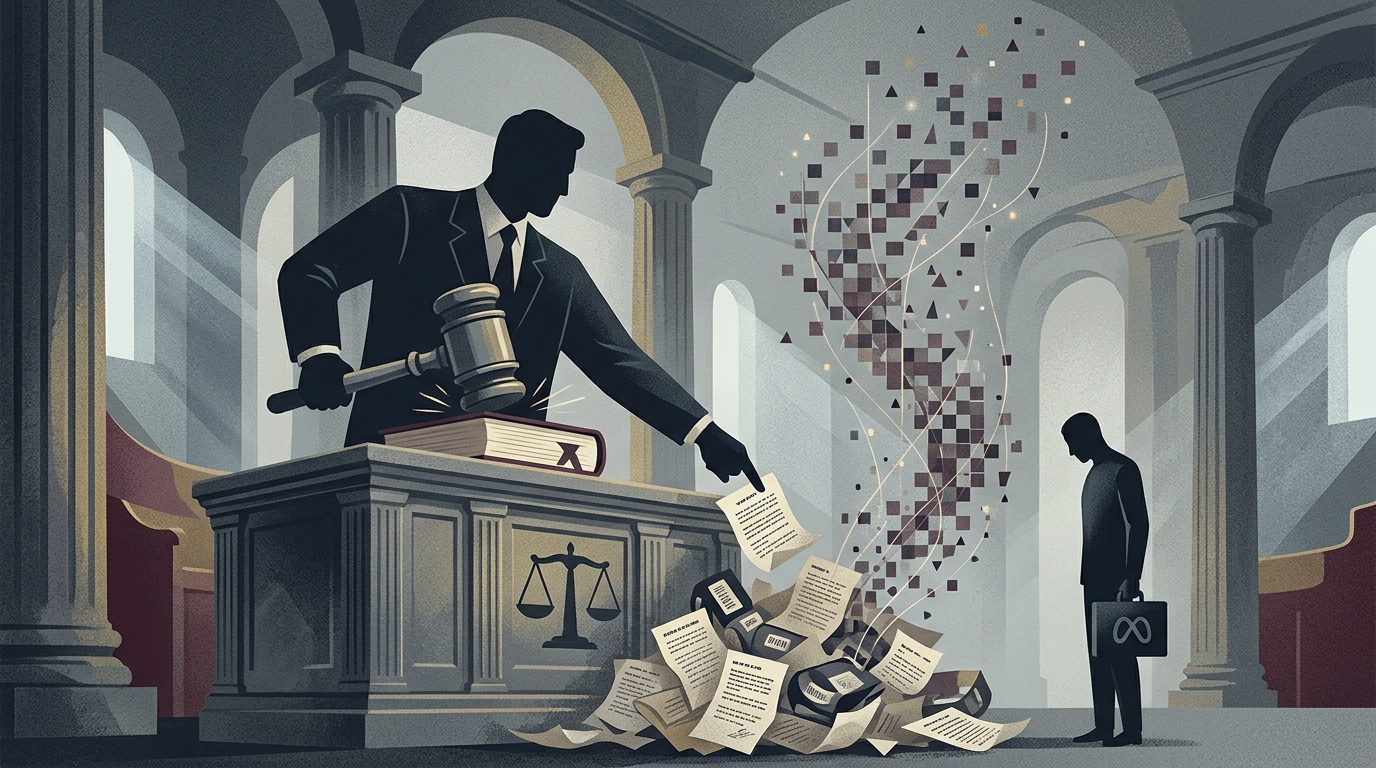
In a move poised to reshape the digital landscape of the European Union, Commission President Ursula von der Leyen has placed the fight against Big Tech's addictive practices at the forefront of her new mandate. The so-called 'attention economy'—the strategic capture of user time through algorithmic manipulation—is now squarely in Brussels' crosshairs, with promises of a robust new legislative framework to bolster the Digital Services Act (DSA).
The Psychology of Profit and Algorithmic Addiction
For decades, Silicon Valley has operated under the mantra that 'time spent' is the ultimate metric of success. This philosophy birthed features like infinite scroll, autoplay videos, and relentless push notifications, all engineered to trigger dopamine releases in the user's brain. Von der Leyen argues that these practices are not merely annoying but represent a systemic threat to public health and social cohesion.
The European Commission is now exploring the creation of a 'Digital Fairness Act.' This proposal aims to ban specific 'dark patterns' that exploit human psychology for commercial gain. Research cited by Brussels suggests a direct correlation between excessive social media use and rising rates of depression and anxiety, particularly among adolescents. 'Our attention is not a commodity for sale,' a Commission source noted, signaling a paradigm shift from data privacy to the protection of cognitive sovereignty.
Protecting Minors: A Central Pillar of Reform
The most critical front in this legislative offensive is the protection of children and teenagers. Von der Leyen has pledged to curb algorithms that promote harmful content or encourage excessive screen time for minors. The upcoming regulations are expected to mandate stricter age verification and require platforms to disable addictive features by default for users under 18.
- A ban on algorithms that create 'rabbit holes' of increasingly extreme content.
- Mandatory break reminders and integrated screen-time limits.
- Full transparency into how algorithms prioritize content for young audiences.
This initiative follows ongoing investigations into TikTok and Meta regarding their platforms' potentially addictive nature. The new legislation would grant the Commission the power to levy fines of up to 6% of a company's global annual turnover, making the price of non-compliance too steep to ignore.
The Clash with Silicon Valley and the Future of Innovation
Predictably, tech giants are pushing back, arguing that such stringent regulations could stifle innovation and infringe upon user freedom of choice. They maintain that the responsibility for social media usage lies with parents rather than the state. However, the EU remains undeterred, positioning itself as a global leader in enforcing ethical standards for AI and algorithms, under the belief that the market has failed to regulate itself.
'Our digital sovereignty depends on our ability to protect our citizens from algorithmic manipulation,' the Commission President emphasized.
The challenge for Brussels will be to precisely define 'addictive design' without undermining the legitimate and beneficial functions of digital services. The battle for our attention has entered its most critical phase, with Europe attempting to prove that technology must serve humanity, not the other way around.