

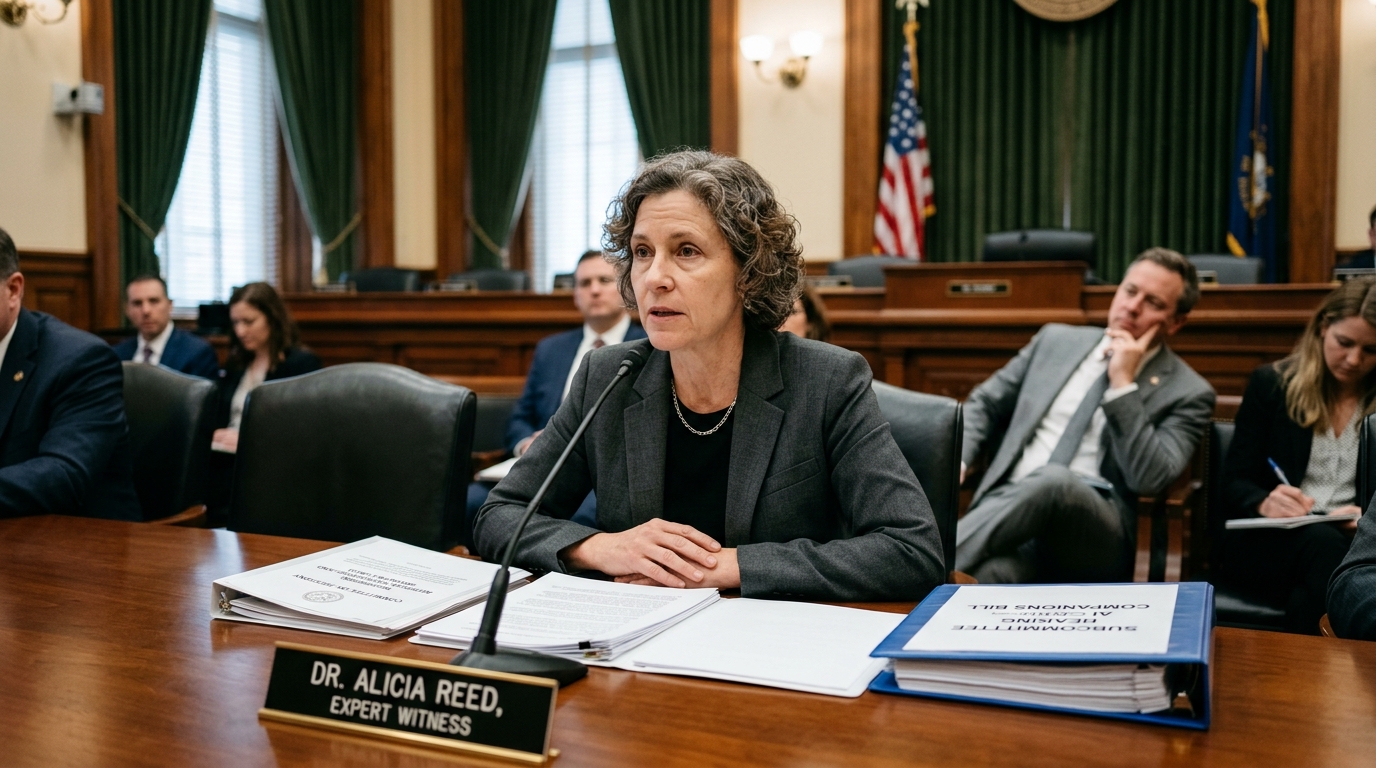
In an era where the lines between human interaction and artificial intelligence are becoming increasingly blurred, the U.S. legislative branch is attempting to erect a definitive barrier. A new federal bill recently introduced in Congress aims to ban minors from accessing 'AI companions,' while simultaneously mandating rigorous age verification mechanisms. This move reflects a burgeoning anxiety over the psychological repercussions that parasocial relationships with algorithms may have on the developing personalities of children and adolescents.
The bill, backed by a bipartisan group of lawmakers, is not limited to banning specialized 'virtual friend' apps; it extends to any form of generative AI designed to simulate emotional connection. According to the sponsors, this technology can lead to social isolation, dependency, and a distorted perception of human relationships, as teenagers often turn to AI chatbots for comfort or advice without fully grasping that they are interacting with a statistical word-prediction model.
The Psychology of Digital Connection and Its Risks
Child psychology experts have long warned about the phenomenon of 'unsupervised emotional bonding.' Unlike traditional social media, where interaction occurs between humans, AI companions offer an uninterrupted, always-available, and perfectly tailored experience. This creates a risk of addiction that goes beyond mere scrolling on TikTok or Instagram. The bill argues that minors do not yet possess the cognitive tools to distinguish simulated empathy from the real thing, which could stunt the development of their real-world social skills.
- Increased risk of emotional dependency on non-human entities.
- Collection of sensitive personal data through children's private disclosures.
- Potential for generating inappropriate or dangerous content via 'jailbreaking' of safety filters.
- Distortion of the perception of what constitutes healthy human communication.
However, criticism of the bill is fierce, particularly regarding the age verification component. Digital rights advocates argue that requiring identification via official documents or biometric data could lead to a regime of mass surveillance. 'To protect the children, we risk destroying online anonymity for everyone,' several free speech organizations have noted. The tension between safety and privacy remains the central friction point of this legislative effort.
Industry Reaction and Economic Costs
For companies like Character.ai, Replika, and OpenAI, such a bill represents an existential threat to a significant portion of their user base. The AI companion market is estimated to be worth billions of dollars, with Gen Z being its most active demographic. If the bill becomes law, companies will face massive fines and the necessity to fundamentally redesign their products. Some platforms have already begun introducing 'minor modes,' but lawmakers view these as half-measures that do not address the core of the problem.
"We cannot allow algorithms designed to maximize engagement to train our children on how to love or communicate," stated one of the senators supporting the move.
The issue is further complicated by the fact that technology evolves faster than legislation. While Congress debates chatbots, the industry is already moving toward AI avatars with voice and video capabilities that can simulate real-time video calls. The challenge for the state is to find the middle ground between protecting mental health and fostering innovation, without turning the internet into a fully monitored space where privacy is a privilege of the few.
Conclusion: Toward a New Digital Ethics
The debate surrounding the AI companion bill is just the tip of the iceberg. It highlights the need for a new social contract in the digital age. The protection of minors is non-negotiable, but the method of achievement will define the future of free expression and technological progress. As the bill moves toward Congressional committees, the eyes of the world—and especially Europe, which already has its AI Act—are on the U.S. to see if it will dare to set the first real 'borders' in the digital realm.





