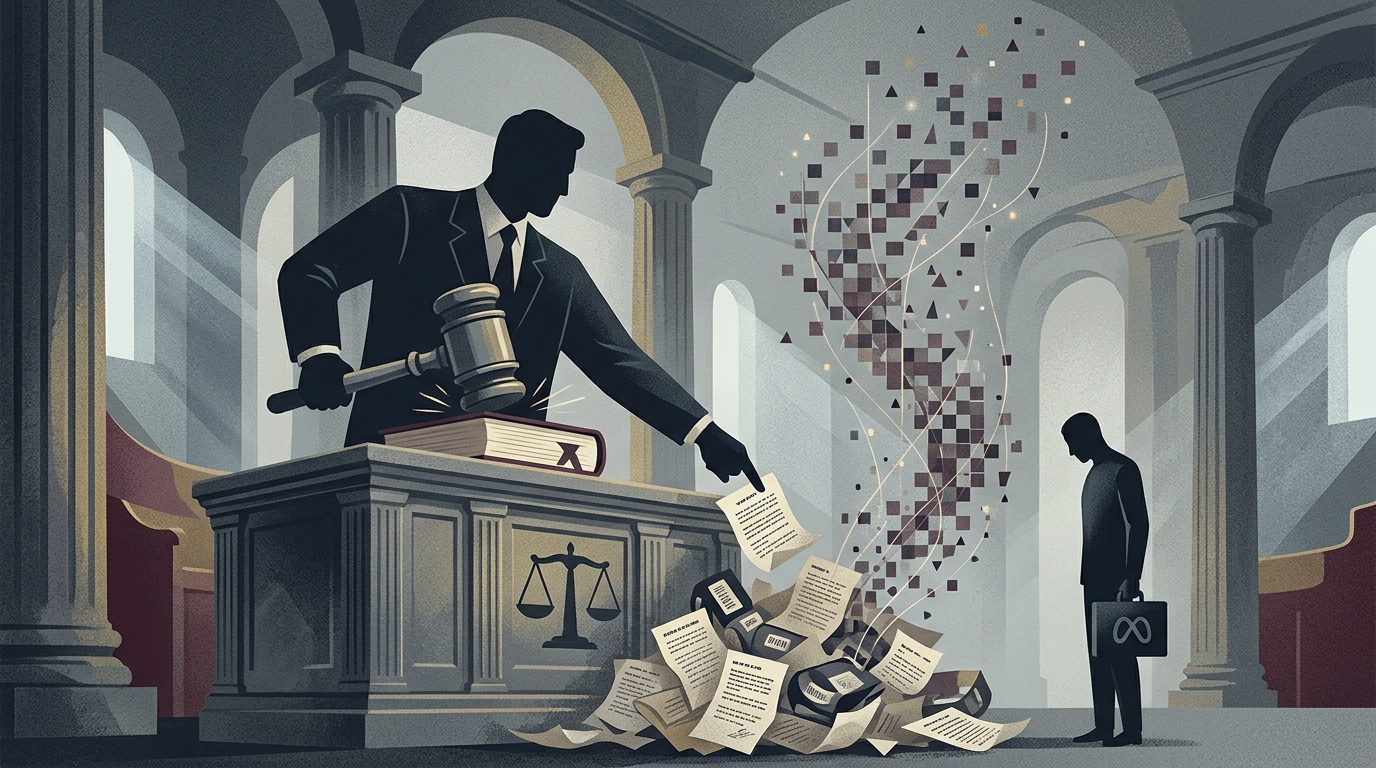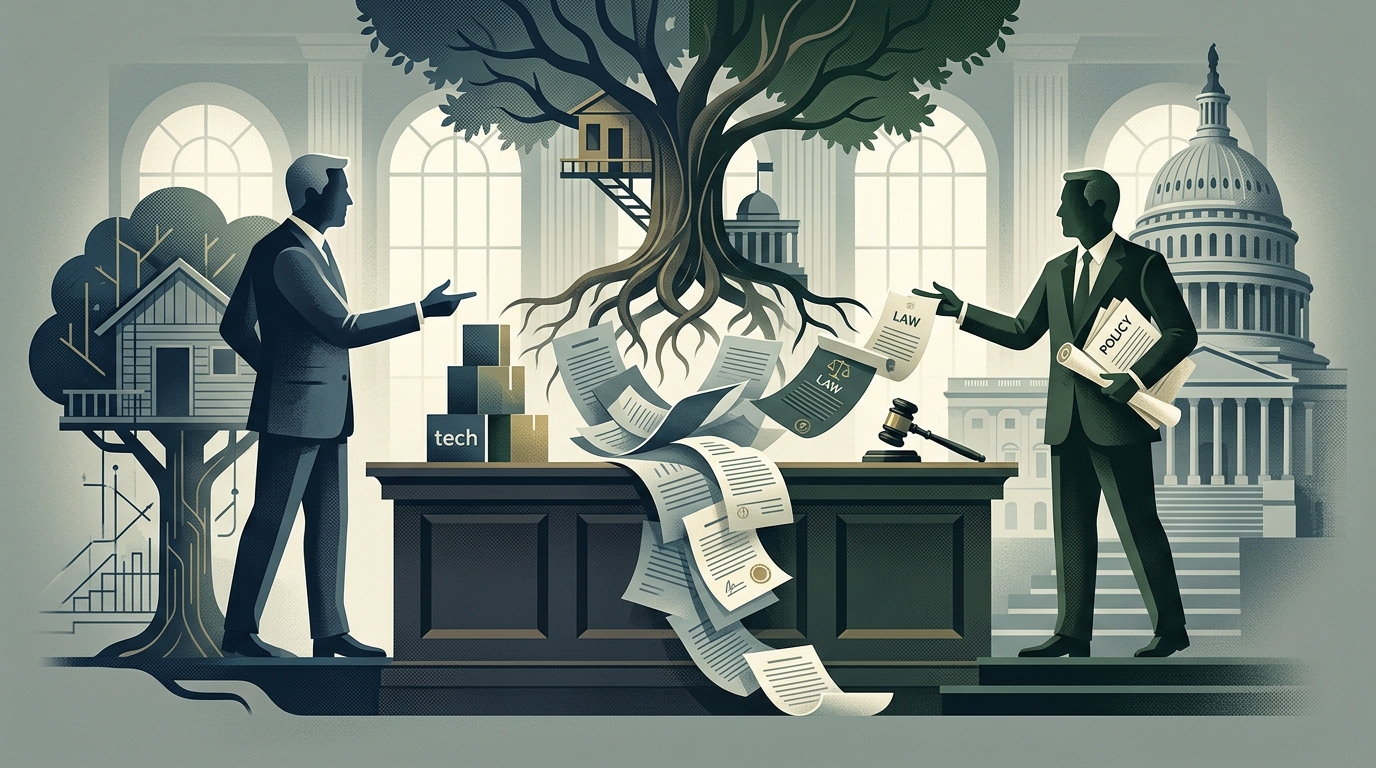
The scene could have been ripped from an Aaron Sorkin screenplay: an exclusive gathering at a luxury "treehouse"—one of those architectural marvels that only Silicon Valley's surplus of capital can produce—where the tech elite meets political power. There, Sergey Brin, the Google co-founder who spent years avoiding the political limelight, found himself in a sharp, face-to-face confrontation with California Governor Gavin Newsom. What began as a disagreement over the state's direction has since escalated into an all-out political war that is reshaping the landscape of American power.
According to sources close to Brin, the breaking point was Newsom’s persistent support for a proposed "Billionaire Tax" and a tightening of safety regulations surrounding Artificial Intelligence. Brin, who has personally returned to the trenches at Google to oversee the development of Gemini and other AI models, viewed these moves as a "betrayal" of the ecosystem that made California a global hegemon. His response was not a mere press release, but a financial blitzkrieg: $58 million spent in just four months to fund ballot measures and initiatives aimed at dismantling Newsom’s legislative agenda.
The Mobilization of the Tech Titans
Brin is not acting in a vacuum. This clash signifies a broader shift in Silicon Valley, moving away from traditional, quiet Democratic support toward an aggressive, "techno-libertarian" stance. Through a network of PACs and personal alliances, Brin has mobilized other tech titans, forming a front that demands less state intervention and more freedom for innovation. Their argument is straightforward: if California continues to penalize success and over-regulate emerging tech, the next AI revolution will take place in Texas, Miami, or overseas.
- Funding ballot measures to block property and wealth tax increases.
- Establishing think tanks that promote AI deregulation and "permissionless innovation."
- Supporting moderate candidates to challenge the progressive wing of the state legislature.
This level of direct political combat is unprecedented for Brin, who historically preferred scientific pursuits over high-stakes lobbying. However, the perception that California’s leadership has lost touch with the realities of global competition seems to have forced him out of his self-imposed political isolation.
The AI Safety Battleground
At the heart of the dispute lies the future of AI regulation. Newsom, pressured by labor unions and consumer advocacy groups, has advocated for strict safety frameworks—legislation that tech leaders argue would "strangle" innovation before it can mature.
"You cannot regulate what you do not fully understand, especially when the rest of the world is moving at light speed," Brin reportedly told the Governor during their exchange.
California is now the primary testing ground for how modern democracies handle the rise of "corporate-states." When a single individual can spend the equivalent of a small city's annual budget to influence state policy for 40 million people, a fundamental question arises: who is truly in charge? The elected governor or the architect of the algorithm?
Newsom’s Political Survival
For Gavin Newsom, this feud is an existential threat to his future ambitions, which many believe include a run for the White House. Losing the financial and moral backing of Silicon Valley could leave his political machinery starved of its most potent fuel. However, Newsom is betting on anti-billionaire sentiment, hoping that Brin’s high-profile offensive will galvanize a voter base that sees California’s cost of living skyrocketing while tech moguls amass unprecedented wealth.
The battle that began in that treehouse is about more than just taxes. It is about who defines the rules of the 21st century. As we approach the 2026 election cycle, this conflict will determine whether California remains a laboratory for progressive social policy or transforms into a technocratic fiefdom guided by the vision of Google’s founders and their allies.