

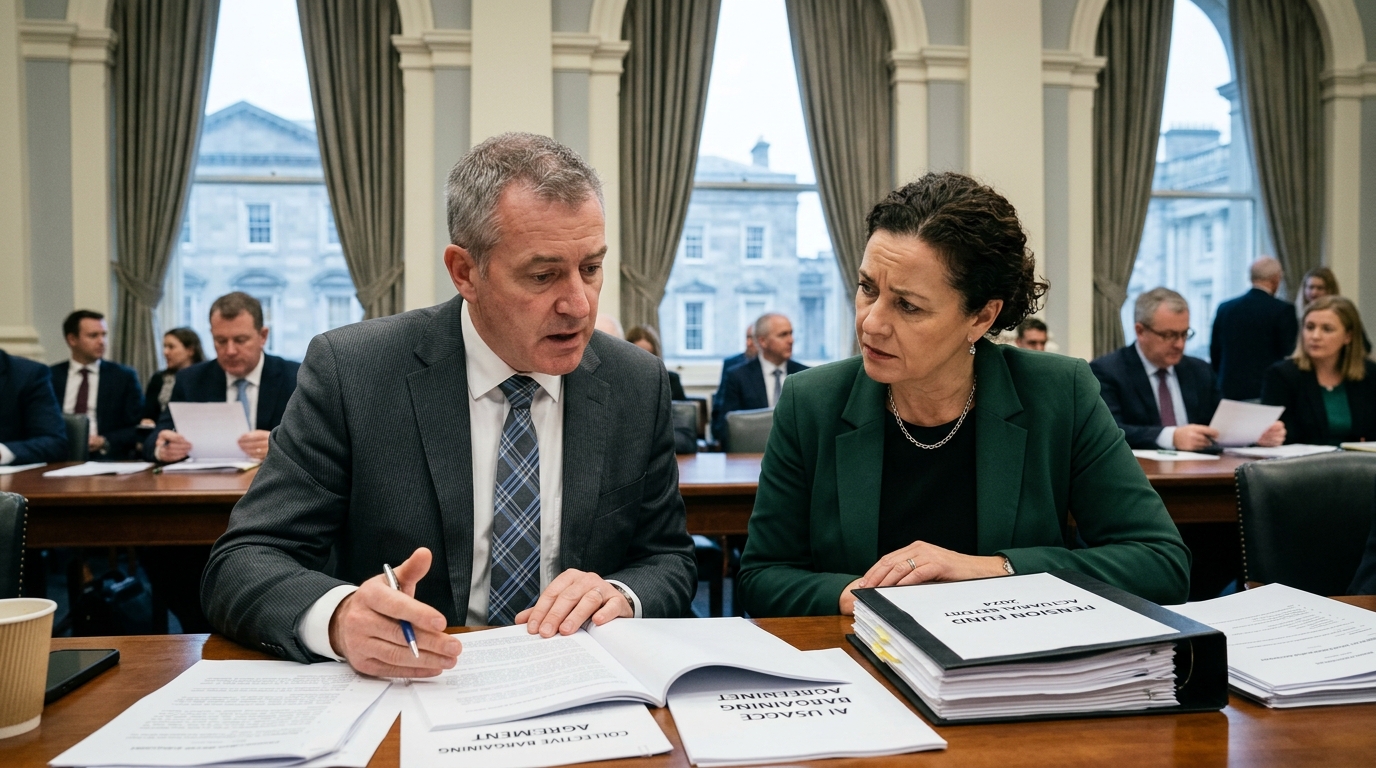
In the wake of the historic strikes that paralyzed Hollywood, the dust has begun to settle, revealing a landscape fraught with uncertainty. The agreement between SAG-AFTRA and the major studios (AMPTP), initially hailed as a triumph of labor over machine, is now facing a harsh reality: Artificial Intelligence (AI) is not merely a production tool, but an existential threat to the financial security of performers, particularly regarding their pension funds.
The Digital Erosion of Pension Contributions
The central issue occupying industry analysts today is how the use of digital replicas affects contributions to the SAG-AFTRA Health and Pension Plans. Traditionally, these funds are financed by a percentage of actors' earnings for each day worked and subsequent residuals. However, when a studio utilizes an AI-generated replica of an actor instead of the artist themselves, the payment structure shifts fundamentally.
While the current deal mandates compensation for the use of an actor’s digital likeness, a legal and economic loophole persists: payments for "digital licensing" are often not categorized as "wages" in the same manner as physical onset work. Consequently, contributions to pension funds may decrease dramatically as studios opt to "rent" an actor's digital form rather than hiring them for weeks of physical production.
The Trap of 'Consent' and Studio Leverage
Another point of contention is the concept of consent. The agreement requires studios to obtain the explicit permission of an actor to create and use a digital replica. However, critics argue that in a hyper-competitive labor market, "consent" is often illusory. A burgeoning actor seeking their first big break is unlikely to refuse an AI clause if it means losing the role to someone more compliant.
- AI usage reduces physical days on set, thereby lowering total wages.
- Digital replicas can be repurposed across multiple projects with minimal additional cost.
- A lack of transparency in studio algorithms makes it difficult to audit the actual usage of an artist's likeness.
This dynamic risks creating a generation of "digital proletarians," where actors surrender their biometric data for a one-time fee, forfeiting the right to future earnings that would have sustained their retirement.
The Future of Collective Bargaining
SAG-AFTRA maintains that it has laid the groundwork for protecting its members, but the pace of technological evolution is outstripping union bureaucracy. Already, in 2026, we are witnessing the rise of "synthetic performers"—characters not based on any specific human, but rather a composite of thousands of digital data points. These characters do not pay union dues, do not require health insurance, and will never retire.
"If we do not redefine what constitutes 'labor' in the age of artificial intelligence, the acting profession will transform from a sustainable career into a gig-based data provision service," notes a veteran industry insider.
The challenge for the future lies in the implementation of an "AI tax" or a universal contribution on digital performances directed straight into artists' social funds, regardless of whether the work was physical or digital. Without such a radical restructuring, Hollywood risks becoming an industry without a human future.





