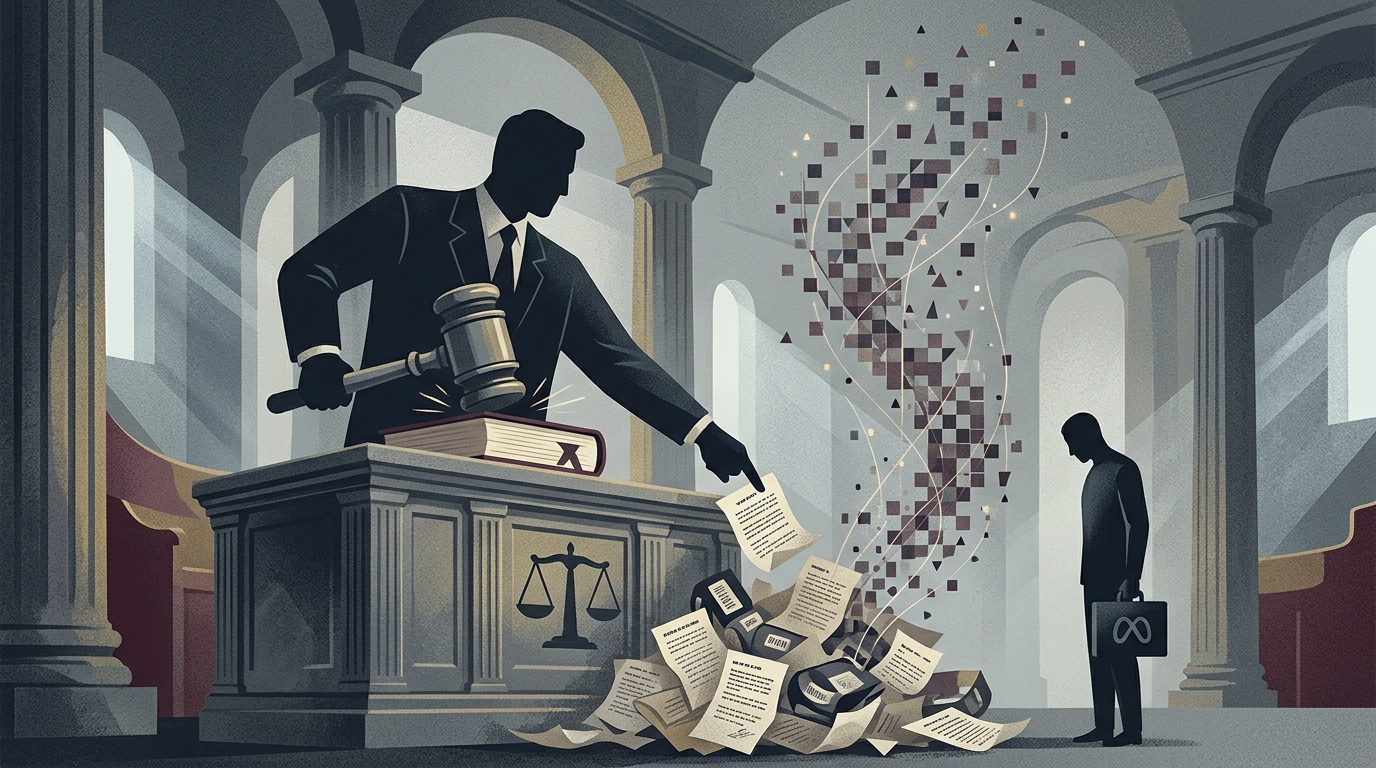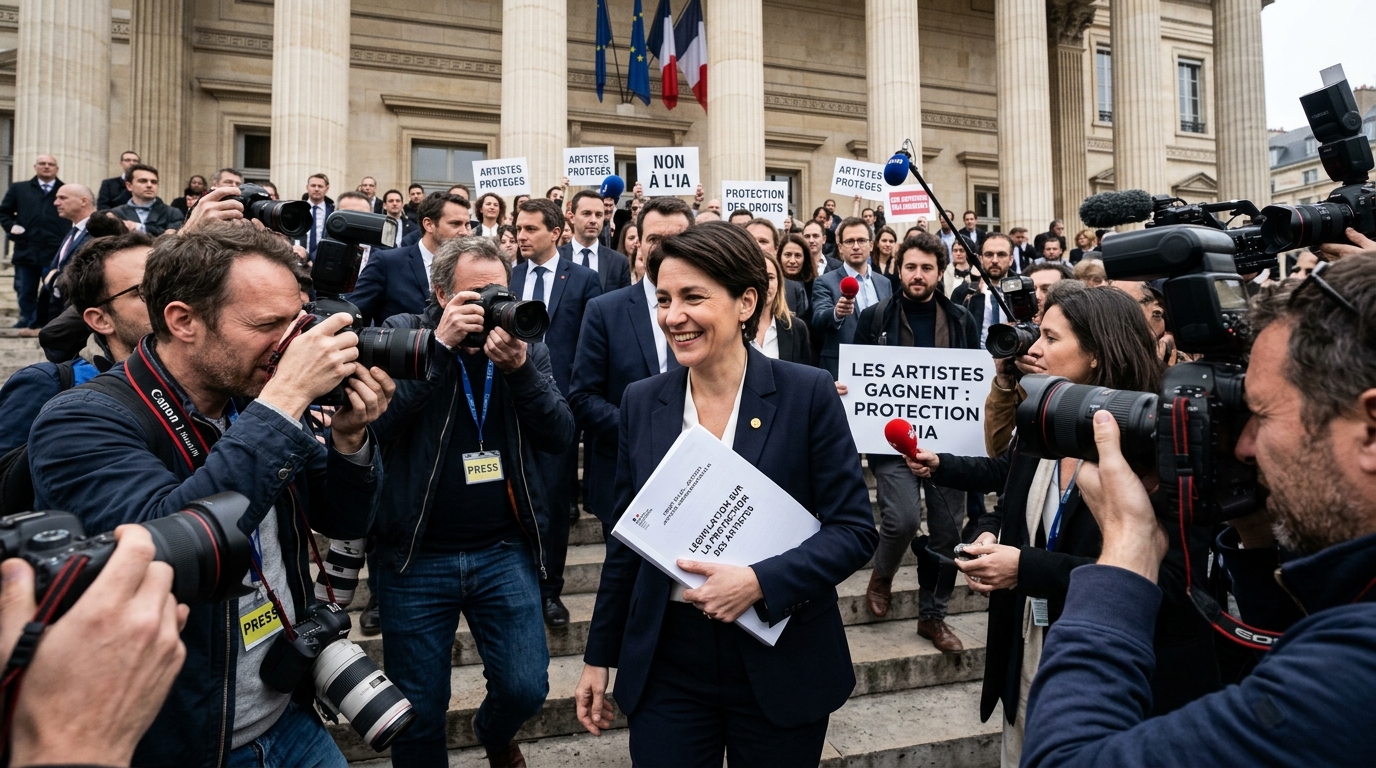
The digital revolution of Artificial Intelligence, which until recently felt like a lawless "Wild West," is facing a critical crossroads. After years of protests, lawsuits, and public outcry from the global creative community, a new legislative initiative—the COPIED Act—is set to curb the unchecked power of tech giants. This bill is not merely a regulation; it is a statement of principle regarding the value of human creativity in the age of algorithms.
The Architecture of Protection
The core argument of the bill's proponents is simple yet profound: AI does not create from a vacuum; it is "trained" on the labor of millions of humans. The new framework focuses on three main pillars. First, prohibiting the removal of rights management information (metadata) from creative works. Second, mandating that AI companies provide transparency regarding their training datasets. And third, establishing a legal pathway for artists to sue companies that use their work without explicit consent.
- Prohibition of unauthorized data scraping for AI training.
- Mandatory labeling of AI-generated content to prevent deception.
- Protection of digital identity, including voice and likeness rights.
The Clash with Silicon Valley
Unsurprisingly, the reaction from the tech camp has been fierce. Advocates for "open innovation" argue that such laws could stifle AI development, giving an advantage to nations with looser legal frameworks, such as China. They claim that model training falls under the category of "fair use," likening the process to a human artist drawing inspiration from predecessors. However, the difference in scale is astronomical: an algorithm can ingest the entire history of art in a matter of weeks, transcending any traditional notion of human inspiration.
"We aren't asking to stop technology; we are asking to stop the theft. Our art is our livelihood, not free fuel for Silicon Valley's machines," says a spokesperson for an international illustrators' guild.
Socio-Political Implications
In Europe and beyond, this debate carries extra weight due to a strong tradition of intellectual property protection. If this bill succeeds in the US, it is expected to trigger a domino effect, forcing the EU to further tighten its own AI Act. The stakes are not just economic; they are cultural. If artists cannot sustain themselves because machines are churning out cheap imitations of their unique styles, we risk entering a cultural winter where originality is replaced by algorithmic recycling.
The Road Ahead
Implementing the law will be a technical challenge. How does one prove that a model with billions of parameters utilized one specific painting? This is where watermarking technology and provenance tools come into play. The battle will be fought in courtrooms and software labs alike. What is certain is that the era of innocence—or willful ignorance—regarding AI is over. Creators are finally demanding the keys to their digital homes back.