

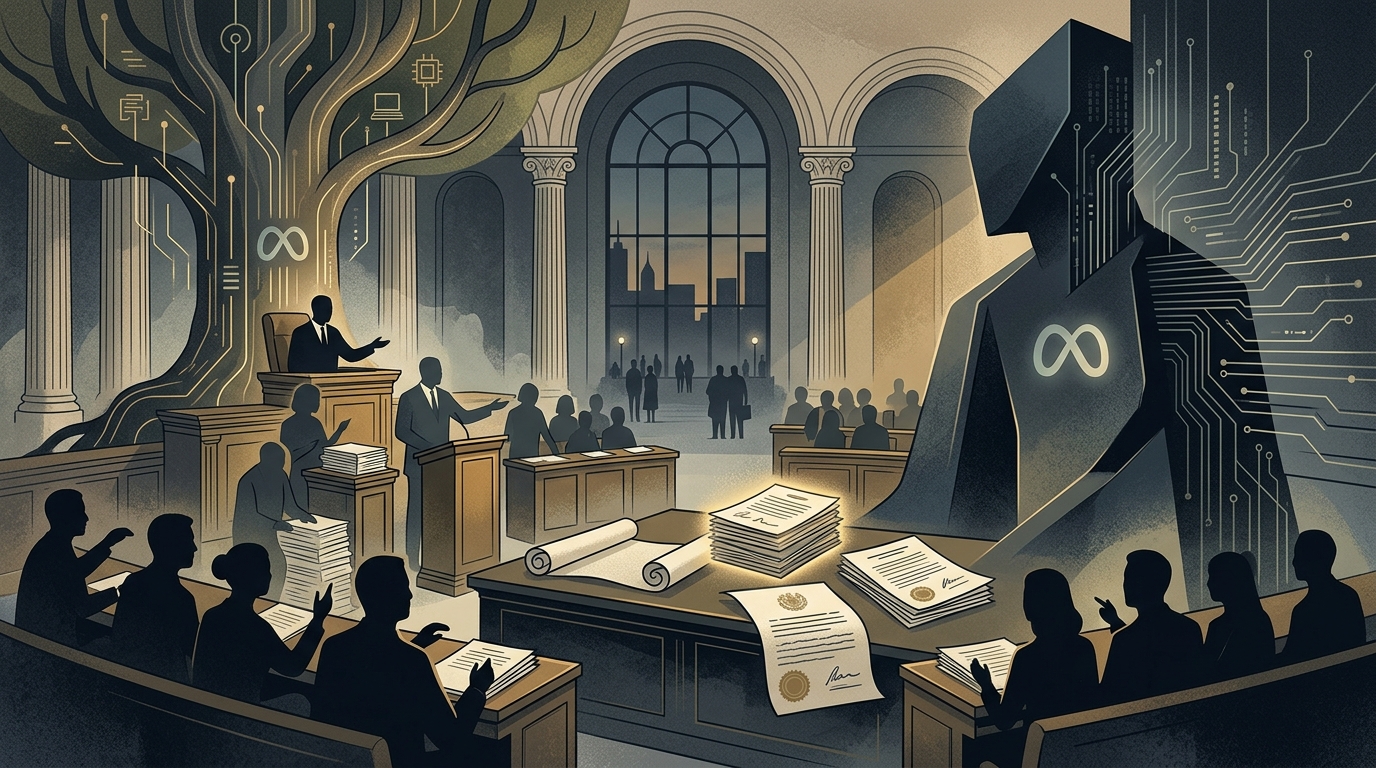
On May 4, 2026, the courtrooms of New Mexico will become the epicenter of a global confrontation that transcends the legal boundaries of a single U.S. state. Meta, the titan behind Facebook and Instagram, faces an aggressive lawsuit from New Mexico Attorney General Raúl Torrez, who alleges that the company's platforms have become "hunting grounds" for predators. However, the case took a dramatic turn when Meta hinted it would rather cease operations in the state than comply with proposed safety mandates.
The Core of the Conflict: Safety or Profit?
New Mexico’s lawsuit is not just another legal hurdle for Mark Zuckerberg’s empire. It is built on an extensive investigation claiming that Meta’s recommendation algorithms not only fail to protect minors but actively connect them with adults seeking sexual exploitation. Attorney General Torrez is seeking injunctive relief that would force Meta to radically redesign its algorithms and messaging systems for users under 18.
Meta’s response has been uncompromising. The company argues that the changes requested by the state are technically unfeasible to implement on a local level and would degrade the user experience to the point where providing services would become unviable. This "threat to exit" is interpreted by many as blunt blackmail: either accept our terms, or face digital isolation. It is a tactic reminiscent of Meta’s previous clash with Australia over news rights, but here, the stakes are the physical and mental integrity of children.
The ‘Nuclear Option’ of Digital Sovereignty
Meta’s stance highlights a deep crisis in the relationship between democratic institutions and technological monopolies. When a corporation threatens to withdraw services from a jurisdiction because it is asked to adhere to stricter safety standards, it essentially challenges the state’s right to protect its citizens. Torrez pointedly stated that this move "shows the world how little Meta cares about child safety," adding that the company prioritizes profit margins over moral responsibility.
On the other hand, Meta claims it has invested billions in safety technologies and that New Mexico’s requirements could create a "patchwork" of different regulations across states, making the operation of a global social network impossible. Meta’s legal team argues that New Mexico’s jurisdiction cannot mandate changes that affect the overall architecture of their software.
Implications for the Future of AI and Social Media
The outcome of this case will set a precedent for how AI algorithms are regulated in the future. If the court rules in favor of New Mexico, other states and countries will likely follow suit, demanding "safety by design." If Meta succeeds in avoiding these measures by threatening an exit, it will have sent a message that tech giants are now beyond the law of nation-states.
- Meta claims to have over 50 safety tools specifically for teenagers.
- AG Torrez argues these tools are "window dressing" and fail to address the core algorithmic issues.
- The court’s decision is expected to impact the company’s stock and its strategy in the EU, where the Digital Services Act (DSA) already imposes similar constraints.
At the end of the day, the conflict in New Mexico is a battle for the soul of the internet. Is the digital realm a public square governed by the laws of society, or a private fiefdom where rules are set by those who own the servers? The answer will be delivered soon, and the consequences will resonate for decades.





