

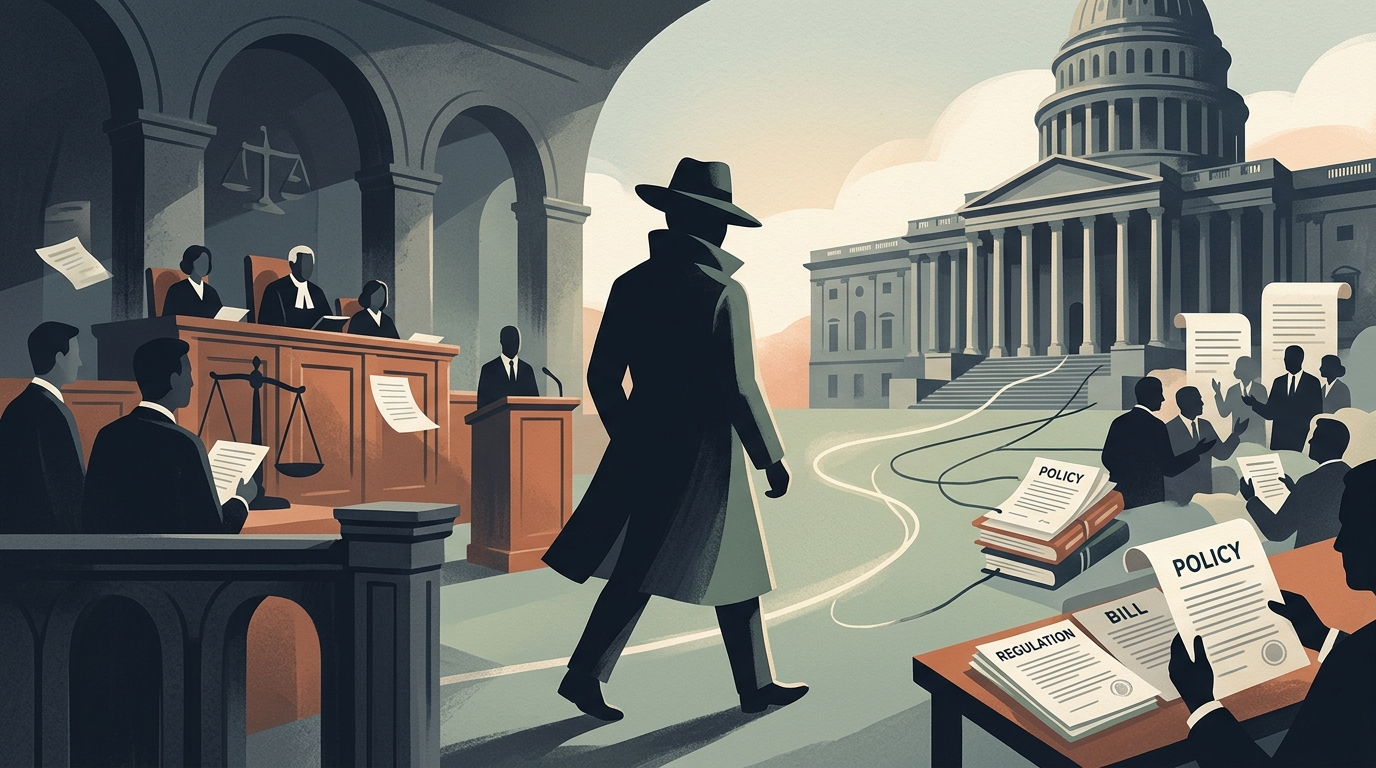
June 18, 2026, may well be remembered as the day the global tide turned regarding the digital protection of minors. Matthew Bergman, the founder of the Social Media Victim Law Center (SMVLC), is no longer just an attorney filing lawsuits against Meta and ByteDance. He has evolved into a political catalyst, shifting his focus from American courtrooms to the corridors of power in London’s Westminster.
The Failure of the Judicial Path in the U.S.
For years, Bergman sought justice through litigation, representing families who lost children to suicide, eating disorders, and addiction linked to social media use. However, in the United States, the infamous "Section 230" of the Communications Decency Act serves as a nearly impenetrable shield for tech companies, immunizing them from liability for the content posted by their users.
This legal stalemate prompted Bergman’s strategic pivot. Realizing that court rulings are often too slow and frequently collide with outdated statutes, he decided to focus on creating new laws. His choice of the United Kingdom as a "battleground" is calculated. With the Online Safety Act already in place, the British government has demonstrated a greater willingness to confront Silicon Valley than Washington D.C.
The Proposal for a Total Ban Under 16
Bergman isn't just calling for better algorithms or stricter filters. His proposal to British officials is radical: a complete ban on social media use for children under the age of 16. He argues that social media platforms are "inherently dangerous products" for the developing adolescent brain, comparing them to tobacco or alcohol.
- Psychological Addiction: Algorithms are engineered to exploit a teenager's biological need for social validation.
- Toxic Content: The speed at which harmful content reaches vulnerable users outpaces any parental control capabilities.
- Legal Accountability: Shifting the burden of responsibility from parents to the platforms themselves through rigorous age-verification mandates.
"We cannot expect parents to defeat the most powerful algorithms in the world. It is an unfair fight that we are losing every day," Bergman stated during a recent meeting with Members of Parliament.
The Tech Industry’s Pushback
Predictably, tech giants are resisting fiercely. They argue that such a ban would violate the rights of young people to information and expression, while requiring the collection of massive amounts of biometric data for age verification, raising significant privacy concerns. Furthermore, they contend that children will find ways to bypass restrictions, retreating to less regulated and more dangerous corners of the internet.
However, Bergman and his supporters insist that the cost of inaction is far higher. The global rise in adolescent depression and anxiety rates constitutes a "silent epidemic" that demands drastic measures. Bergman’s move to elevate the pressure to a political level indicates that the era of Big Tech self-regulation has come to an end.
Conclusion: A New Era of Digital Governance
Matthew Bergman’s effort marks a new phase in anti-tech activism. It is no longer just about damages and compensation; it is about redefining society's relationship with the digital world. If the UK adopts his proposals, it will set a precedent that will force the European Union and the U.S. to reconsider their stances. The battle for the soul of the next generation is no longer fought just on mobile screens, but in the ballots and legislative chambers.





