

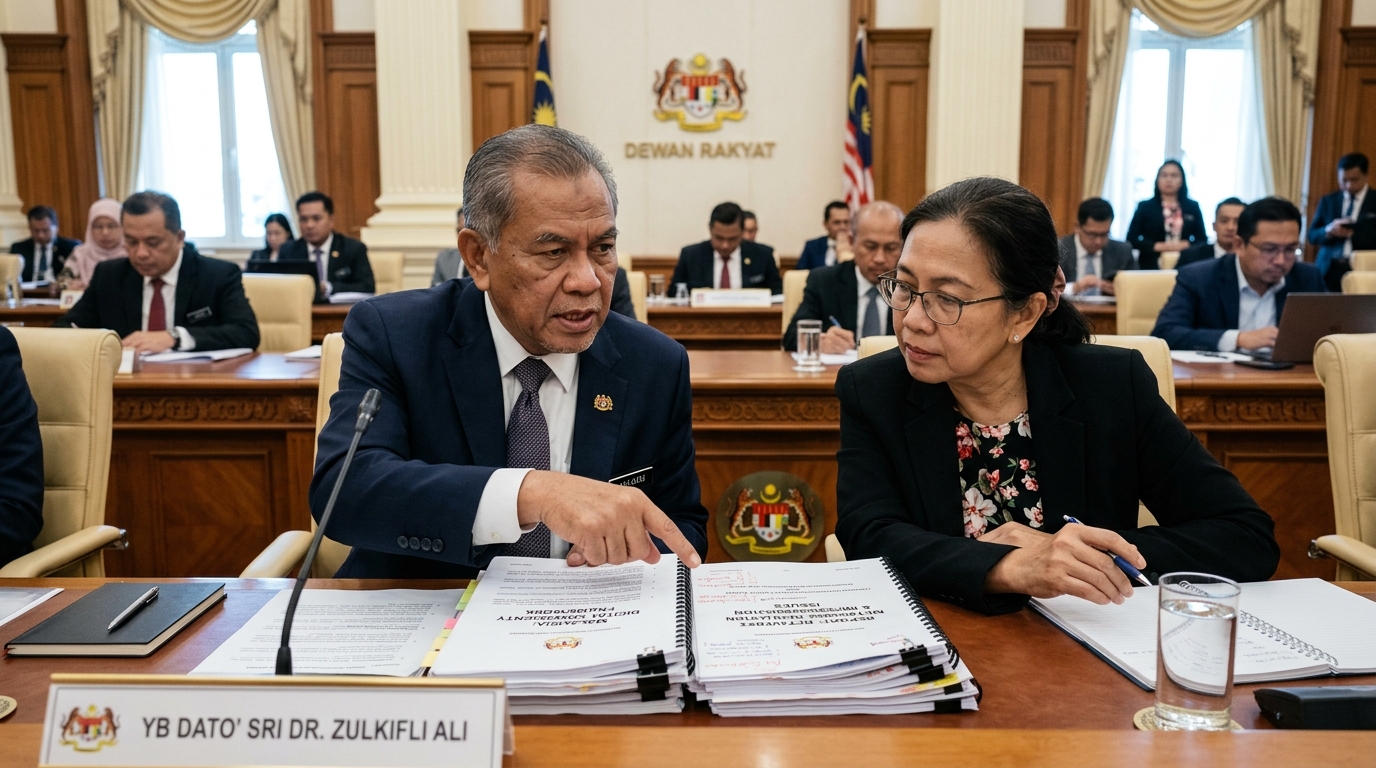
In an escalation of tensions between national governments and Silicon Valley tech giants, Malaysia is now on a collision course with Meta Platforms Inc. The root of the dispute lies in the platform's perceived failure to effectively combat the creation of fake accounts targeting the Malaysian rulers. The country's Communications Minister, Fahmi Fadzil, recently stated that the government is studying specific steps to ensure that digital platforms are held accountable for the content they host, especially when it touches upon sensitive national issues.
The Sanctity of the Throne vs. Digital Chaos
For Malaysia, the monarchy is not merely a symbolic institution but a pillar of national identity and religious stability. The country's nine Sultans are held in high esteem, and insulting them is a criminal offense under the Sedition Act. The emergence of fake accounts on Facebook and Instagram, which either impersonate members of the royal family or spread misinformation about them, is viewed by Kuala Lumpur as a direct threat to social cohesion.
The problem is not new, but its intensity has surged. The government argues that Meta has shown a characteristic delay in responding to content removal requests. Despite repeated warnings, the company's algorithms seem to struggle with recognizing cultural nuances and the significance of the '3Rs' (Race, Religion, Royalty) which constitute the 'red lines' of Malaysian society. The failure to moderate these sensitive topics is increasingly seen as a breach of duty by the tech giant.
The New Regulatory Squeeze and Penalty Threats
Malaysia's move does not occur in a vacuum. Since early 2026, the country has introduced a stringent licensing regime for social media platforms with more than eight million users within its borders. Failure to comply with local directives can lead to hefty fines or even the temporary suspension of services. This regulatory framework is designed to give the state more leverage over entities that previously operated with relative impunity.
Fahmi Fadzil emphasized that Meta cannot hide behind the shield of free speech when it comes to coordinated disinformation campaigns. "Our sovereignty does not end at the borders of the physical world; it extends to the digital realm as well," he remarked. Malaysia appears to be following the lead of other Southeast Asian nations, such as Indonesia and Vietnam, which now require Big Tech companies to maintain local offices and respond to content removal requests within a matter of hours, rather than days.
The Content Moderation Challenge
On its part, Meta faces a massive operational hurdle. Content moderation in languages like Malay requires not just advanced AI, but a deep understanding of local context. Critics of the company argue that Meta has under-invested in human moderators for Southeast Asian markets, prioritizing Western jurisdictions where regulatory pressure was historically higher.
However, the pressure from Kuala Lumpur is forcing the giant to reconsider. The possibility of legal sanctions in one of the region's most dynamic digital economies is not something Meta can afford to ignore. The outcome of this standoff will serve as a precedent for how tech multinationals will handle the demands of nation-states seeking to control their digital destiny in an increasingly fragmented internet landscape.
Global Implications of a Local Dispute
The Malaysian case highlights the fundamental tension between global platforms and local values. While the West often frames these issues around freedom of expression, many nations in the Global South prioritize social stability and respect for traditional institutions as paramount. If Meta fails to find a middle ground, it risks being sidelined in a market that is crucial for its long-term growth. Digital diplomacy in 2026 is no longer just about code; it is about navigating the complex legal and cultural landscapes of the nations it serves.





