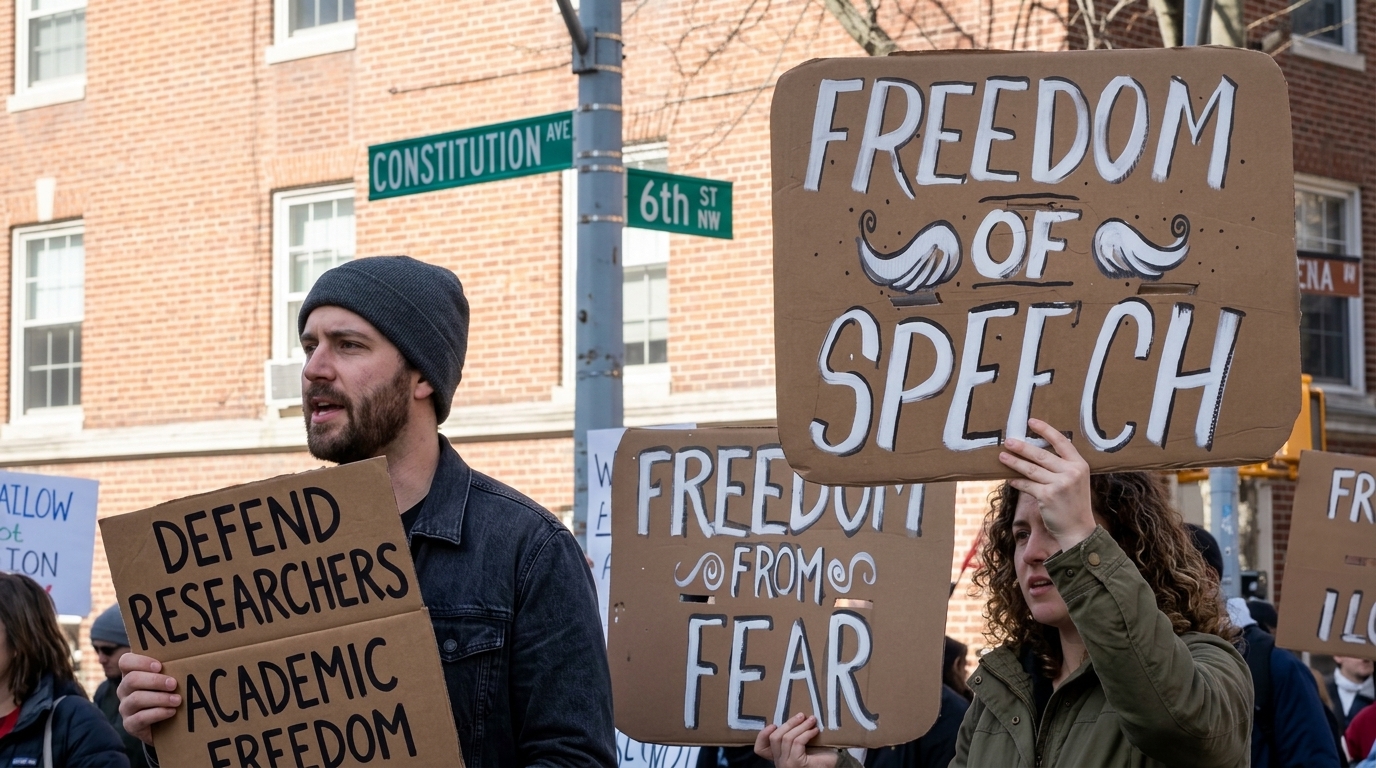
In a significant legal victory for free speech and academic inquiry, US District Judge James Boasberg has issued a preliminary injunction blocking the State Department from enforcing a controversial visa-revocation policy. The policy targeted non-US citizens working in misinformation research, fact-checking, and content moderation.
The Core of the Ruling
The ruling favors the Coalition for Independent Technology Research (CITR), which argued that the Trump administration used immigration enforcement to silence critics. While the policy ostensibly authorized investigations into individuals suspected of helping foreign adversaries manipulate US public opinion, Judge Boasberg noted that the State Department failed to prove any link between the targeted researchers and foreign powers.
The judge warned that the State Department’s authority appeared to have "no clear stopping point," placing any professional in the trust and safety field at risk. Boasberg stated that the department was putting "its enforcement thumb against one side of the scale," suggesting the policy disproportionately penalized researchers who favor more moderation—a stance at odds with President Trump’s views.
Targeted Researchers and Big Tech Influence
Among the policy's primary targets were researchers who had criticized X (formerly Twitter) and its owner, Elon Musk. Imran Ahmed, CEO of the Center for Countering Digital Hate (CCDH), who faced deportation threats, suggested that the administration was doing the bidding of tech billionaires. "Censorship occurs when the government tries to revoke the green cards of people whose views its biggest donors would prefer not to hear," Ahmed said.
Similarly, leaders from HateAid and the Global Disinformation Index (GDI) praised the decision. They argued that independent research into online risks—including disinformation and antisemitism—must not be punished to protect the commercial interests of social media platforms.
Constitutional Implications
Judge Boasberg ruled that CITR is likely to prevail on First Amendment claims, as the policy effectively censors researchers based on their viewpoints. "The First Amendment does not permit officials to resolve [political] dispute by attaching legal burdens to the side they condemn," Boasberg wrote. The injunction applies broadly, pausing the policy’s enforcement for all researchers in the field until the lawsuit is fully resolved.