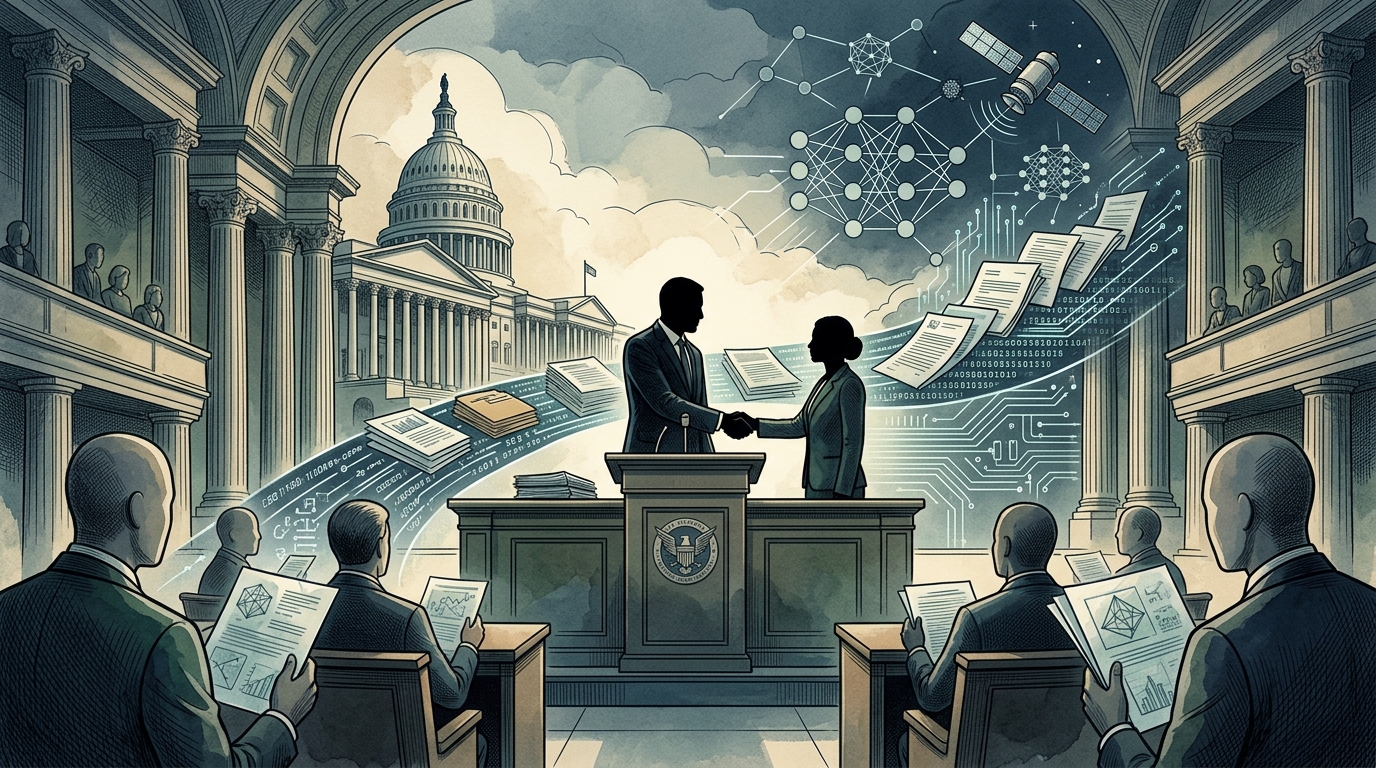
In a move destined to redefine the boundaries of digital commerce and consumer rights, the U.S. Federal Trade Commission (FTC) has proposed a seminal policy statement regarding AI accuracy and the "ideological manipulation" of AI outputs. This intervention, particularly focused on the consumer financial services sector, marks the first time a major regulatory body has sought to govern not just the factual output of AI, but the underlying intent and directional bias of algorithmic responses.
Accuracy as a Non-Negotiable Legal Mandate
For decades, Section 5 of the FTC Act has prohibited "unfair or deceptive acts or practices." In the age of Generative AI, the concept of deception has taken on a new, more complex dimension. When a Large Language Model (LLM) "hallucinates" data regarding mortgage rates, credit terms, or investment risks, the FTC no longer views it as a mere technical glitch. Instead, it is increasingly categorized as a potential violation of federal law. The FTC is making it clear: companies developing and deploying AI cannot hide behind the "black box" of their algorithms. Accuracy is no longer just a technical goal; it is a legal requirement.
The proposal emphasizes that consumers are increasingly relying on AI assistants for life-altering financial decisions. If an AI suggests a specific financial product while deliberately omitting superior competitors or presenting fabricated benefits, the liability rests squarely on the service provider. This establishes a new regime of strict accountability for tech giants and financial institutions alike.
The Thorny Issue of Ideological Manipulation
The most provocative element of the FTC’s proposal is its focus on "ideological manipulation." The Commission argues that the intentional embedding of specific political or social biases into AI outputs—without explicit disclosure to the user—can constitute a deceptive practice. In financial services, this could manifest as an AI steering users away from certain legal investments based on undisclosed ideological criteria held by the developers.
The challenge is immense: How does a regulator define "ideological neutrality" in a machine learning model? The FTC appears to be championing transparency as the primary remedy. If an AI model has been fine-tuned to favor specific worldviews or policy outcomes, this must be made transparent to the consumer. Concealing such "filters" is viewed as a form of manipulation that distorts the free market and individual autonomy.
Implications for the Financial Sector
Banks and Fintech companies are at the epicenter of this regulatory shift. The use of AI in credit scoring, wealth management, and customer service is already ubiquitous. The new policy statement requires these organizations to perform rigorous audits on their models.
- Auditing for algorithmic bias that could lead to discriminatory lending practices.
- Ensuring AI advice is not influenced by hidden kickbacks or the ideological agendas of parent corporations.
- Implementing "explainability" protocols to ensure AI-driven decisions can be justified to regulators and consumers.
In conclusion, the FTC is sending a clear message: the "Wild West" era of AI is coming to an end. Protecting consumers from digital deception and ideological conditioning is now a priority for economic stability. Companies that fail to align their AI systems with these principles face the prospect of massive fines and litigation that could fundamentally threaten their business models.