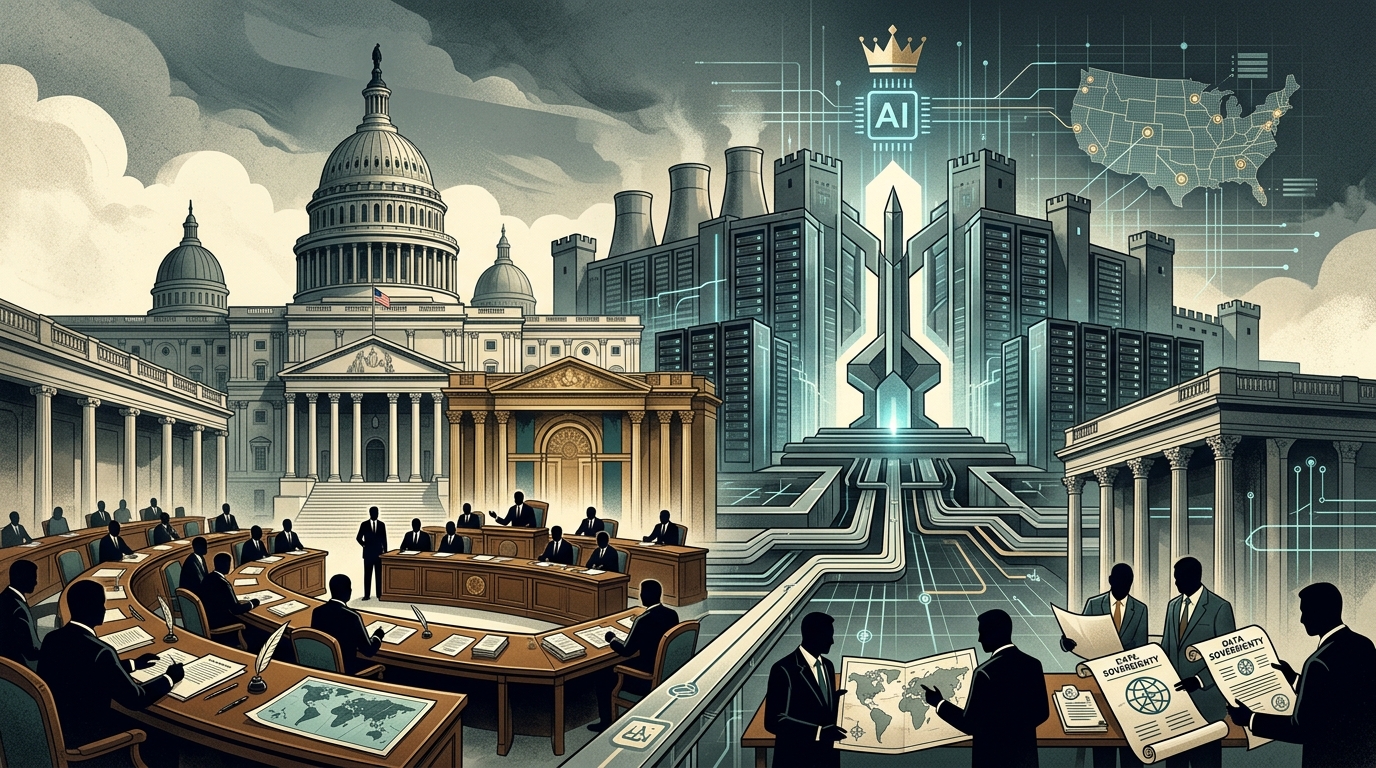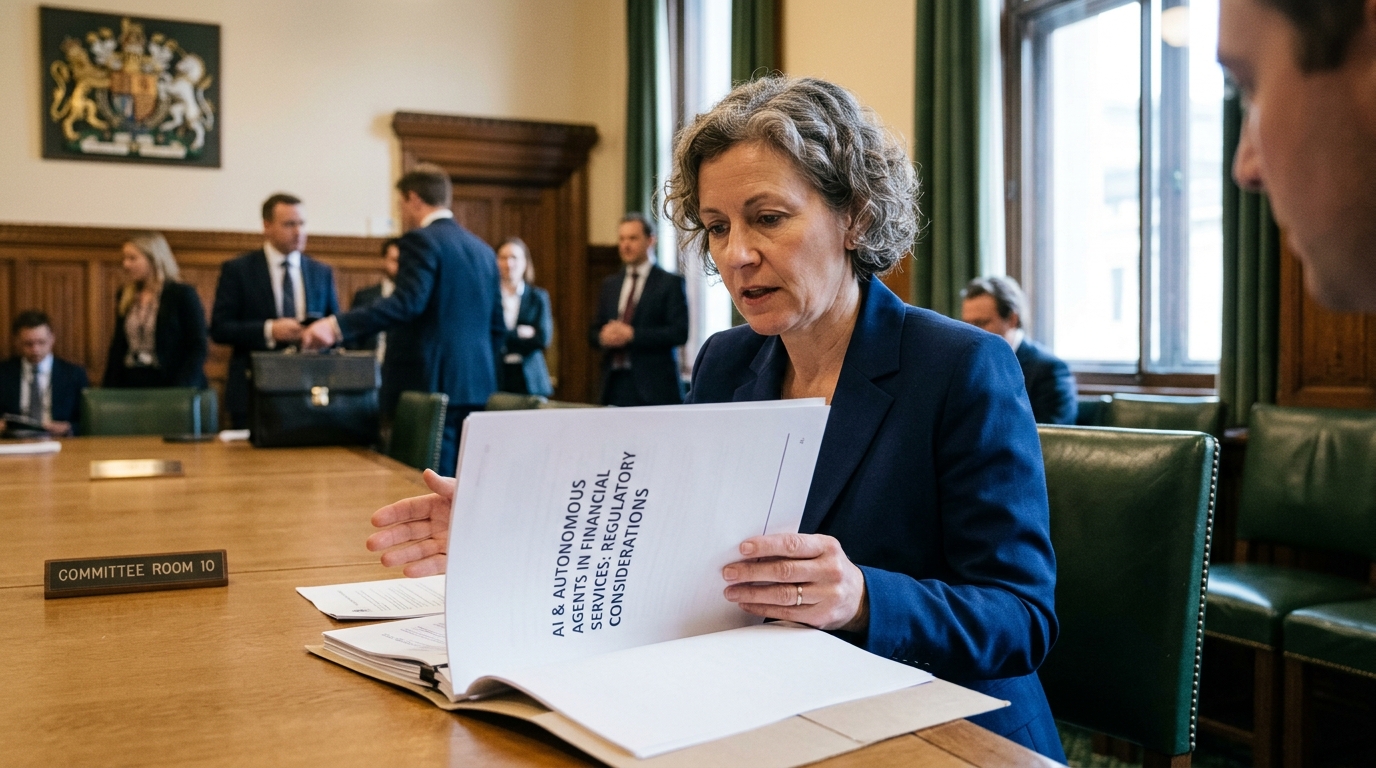
The financial heart of London is facing one of the most significant challenges in its modern history. As Artificial Intelligence (AI) evolves from a simple data analysis tool into autonomous "agents" capable of making decisions and executing transactions, the UK’s Financial Conduct Authority (FCA) is sounding the alarm. The need for a new, more robust regulatory framework is no longer a theoretical debate but an urgent necessity to ensure systemic stability.
The Shift from Tools to Agents
Until recently, the use of AI in the financial sector was limited to supportive roles: fraud detection, credit risk analysis, and customer service automation. However, the emergence of "AI Agents" is changing the landscape. These systems do not merely suggest solutions; they act on behalf of the client or the institution. They can manage portfolios, negotiate contracts, and move funds without human intervention.
Nikhil Rathi, CEO of the FCA, recently emphasized that the speed at which these agents are being integrated into the system is outstripping the ability of existing regulations to monitor them. The question is clear: when an algorithm causes a market crash or engages in illegal manipulation, who bears legal responsibility? The traditional concept of corporate governance is being pushed to its limits.
Systemic Risks and Algorithmic Bias
One of the primary fears of regulators is "herding behavior." If multiple financial institutions use similar AI algorithms trained on the same datasets, there is a risk they will react simultaneously in the same way during a crisis, exacerbating market instability. An AI-triggered "flash crash" could occur in milliseconds, long before human regulators can intervene.
- Transparency: The "black box" problem remains central, as the decisions of AI agents are often unexplainable.
- Ethics: Bias in training data can lead to social groups being excluded from loans or insurance coverage.
- Accountability: The need to extend the Senior Managers and Certification Regime (SMCR) to include responsibility for AI oversight.
The FCA points out that regulation should not stifle innovation but guide it into safe channels. Britain aims to become a global hub for "Safe AI," and the financial sector is the testing ground for this ambition.
"Technology cannot be an excuse for the abdication of responsibility. Bank leaders must understand the tools they deploy," states the FCA.
Consumer Protection in the Age of Automation
Beyond macroeconomic risks, the FCA is concerned about the impact on the average consumer. AI agents acting as "digital advisors" may nudge users toward products that serve bank profitability rather than the customer's best interest. The concept of "fiduciary duty" must be redefined for the era of code.
Furthermore, cybersecurity takes on a new dimension. An AI agent with access to bank accounts is an attractive target for hackers. The regulator is considering imposing strict standards of "algorithmic resilience," requiring firms to have emergency mechanisms (kill switches) for their autonomous systems.
Conclusion: A New Social Contract
The challenge for the FCA and its counterparts globally is to find the middle ground. A total ban on AI agents would leave the City of London behind competitors in New York or Singapore. However, their unchecked action threatens to turn the economy into an opaque and dangerous ecosystem. The future of financial regulation will be judged by the ability of humans to control the machines they created to serve them.