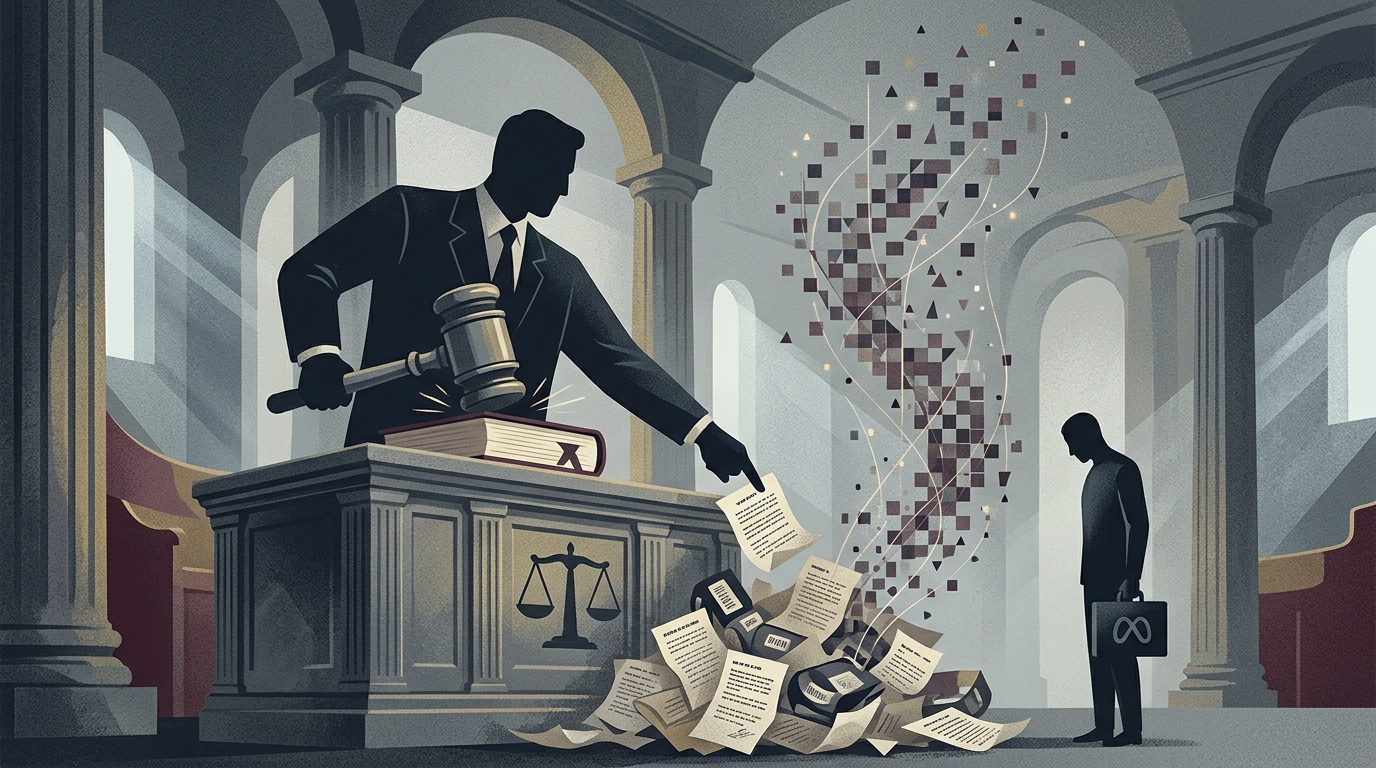
In an era where technological progress often outpaces ethics and legislation, the European Union has taken a decisive step to protect its citizens, particularly women, from the darker side of Artificial Intelligence. The recent agreement to ban and criminalize AI services that generate non-consensual sexual content (deepfake porn) marks a milestone in global digital governance. This legislative initiative aims not only to punish perpetrators but also to eliminate the tools that enable digital abuse on a massive scale.
The Legal Response to Digital Violence
The new EU Directive on combating violence against women and domestic violence incorporates, for the first time, specific provisions for "cyber-flashing" and the creation of deepfakes without consent. The agreement stipulates that the production, sharing, or threat of sharing such material will be considered a criminal offense across all member states. This closes a significant legal loophole; until now, victims had to rely on general defamation or copyright laws, which often proved inadequate to address the severity of the violation of personal dignity.
MEPs and member state representatives agreed that technology cannot serve as an alibi for violating bodily and digital autonomy. The legislation provides for strict prison sentences while simultaneously mandating social media platforms and AI service providers to remove the content in question through expedited procedures, recognizing that time is of the essence in mitigating harm.
Corporate Responsibility and Technological Safeguards
One of the most groundbreaking aspects of the agreement is the shift of responsibility onto the creators of AI models. Companies developing Generative AI will now be required to integrate "safeguards" that prevent users from generating realistic sexual images of individuals without their explicit permission. This means that algorithms must be trained to recognize and block prompts that violate ethical standards.
- Mandatory watermarking for AI-generated content to ensure traceability.
- Strict user identification for platforms offering advanced image manipulation tools.
- The right for victims to seek immediate intervention from authorities to deactivate perpetrators' accounts.
Furthermore, the EU is targeting "nudifying apps"—services that have seen a massive surge in the last year. These applications, often operating in jurisdictional gray zones, will be targeted by European authorities, with banks and payment providers urged to cease cooperation with them, thereby strangling their economic model.
Enforcement Challenges and Global Impact
Despite the enthusiasm surrounding the deal, significant challenges remain. The nature of the internet is global, and many providers of these services are based outside the EU, in countries with lax regulations. Enforcing fines or blocking websites via DNS filters are measures that are often bypassed using VPNs. However, the EU's move is expected to act as a "beacon" for other jurisdictions, such as the US and the UK, creating an international front against digital sexual violence.
"This is not about censorship; it is about protecting the fundamental right to dignity. The freedom of creation ends where the infringement of another's freedom begins," stated a member of the European Parliament's Civil Liberties Committee.
The agreement also includes provisions for training police and judicial authorities to handle deepfake cases with the necessary sensitivity and technical expertise. Recognizing that a deepfake can inflict the same psychological trauma as a physical assault is a massive step toward social justice in the 21st century.
Conclusion: Toward a Safer Digital Future
The European Union proves once again that technology cannot operate in a legal vacuum. By banning AI services that produce non-consensual sexual content, the foundations are laid for an internet where innovation serves humanity rather than its humiliation. The battle against deepfakes is a long-term one, but legal fortification is the first and most essential step to ensure that our digital identity remains under our own control.