In the corridors of power in Washington D.C., the climate surrounding Artificial Intelligence (AI) is shifting rapidly. While the previous decade was marked by a "wait and see" approach, today’s reality demands a more dynamic intervention. The International Association of Privacy Professionals (IAPP) is bringing a fundamental issue to the forefront: truth. Consumers are no longer mere users; they are subjects in a vast data experiment, and they deserve to know when, how, and why AI is influencing their lives.
The Crisis of Trust and the 'Black Box'
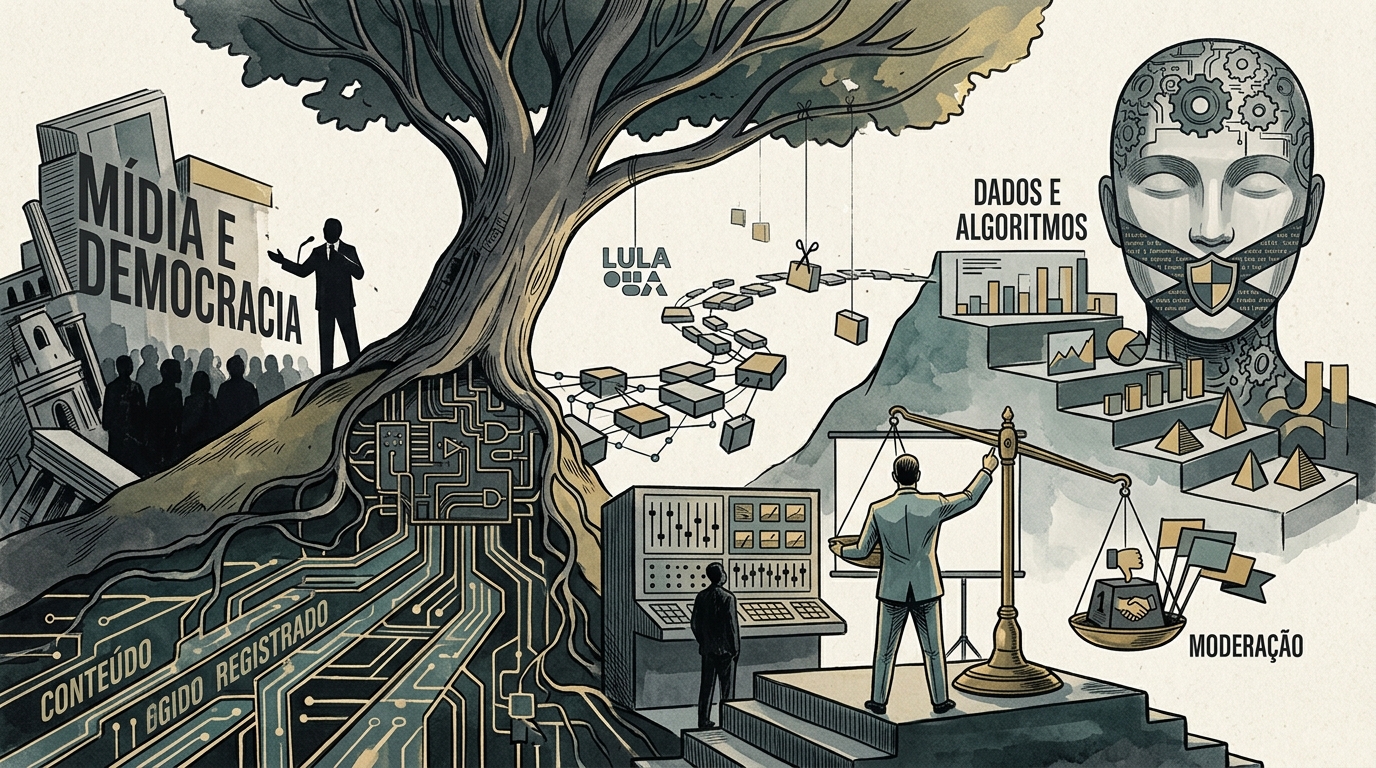
The primary problem identified by the IAPP and policy analysts in D.C. is the so-called "black box" of AI. Many systems make decisions—from loan approvals to resume screening—without any explanation of the underlying logic. This lack of transparency is not just a technical issue, but an ethical and legal challenge. When a consumer interacts with a chatbot, they must know if they are speaking to a human or a machine. When content is generated by AI, the labeling must be clear and unambiguous.
The IAPP argues that transparency must go beyond simple disclosures in terms of service agreements, which few ever read. A structural change is required in how companies communicate the capabilities and limitations of their models. "Truth" in AI means honesty about error rates, the biases that may be embedded in training data, and the risks to individual privacy.
The Regulatory Counter-Offensive: FTC and the States
In the absence of a comprehensive federal AI law in the United States, the Federal Trade Commission (FTC) has taken the lead. Under the leadership of Lina Khan, the FTC is utilizing its existing powers against "unfair or deceptive acts" to scrutinize AI companies. Their position is clear: technology is not an excuse for deceiving consumers. If a company claims its AI is objective when it is not, or if it uses consumer data without explicit consent to train models, it will face consequences.
- State Initiatives: States like California and Colorado are leading with legislation requiring a "right to explanation" for automated decisions.
- International Pressure: The European AI Act serves as a benchmark, forcing Washington to accelerate its processes to avoid being left behind in setting global standards.
- Corporate Responsibility: The IAPP emphasizes that Data Protection Officers (DPOs) must now also become AI ethics officers.
The Stakes for Democracy
Beyond consumer protection, transparency in AI is a matter of democratic function. In an era of rampant misinformation, the ability of citizens to distinguish truth from synthetic content is vital. The IAPP warns that if public trust is irreparably broken, social cohesion will be at risk. Transparency is not a barrier to innovation, as some Silicon Valley lobbyists claim, but rather the prerequisite for its sustainable growth.
"Transparency in artificial intelligence is not a luxury; it is the essential infrastructure upon which the digital economy of the future will be built," a D.C.-based IAPP official noted.
In conclusion, the view from D.C. suggests that the era of immunity for AI systems is coming to an end. Consumers deserve the truth, not because it is a polite gesture from corporations, but because it is an inalienable right in a world increasingly governed by algorithms. The challenge for lawmakers is to translate these principles into action before technology once again outpaces our ability to regulate it.