

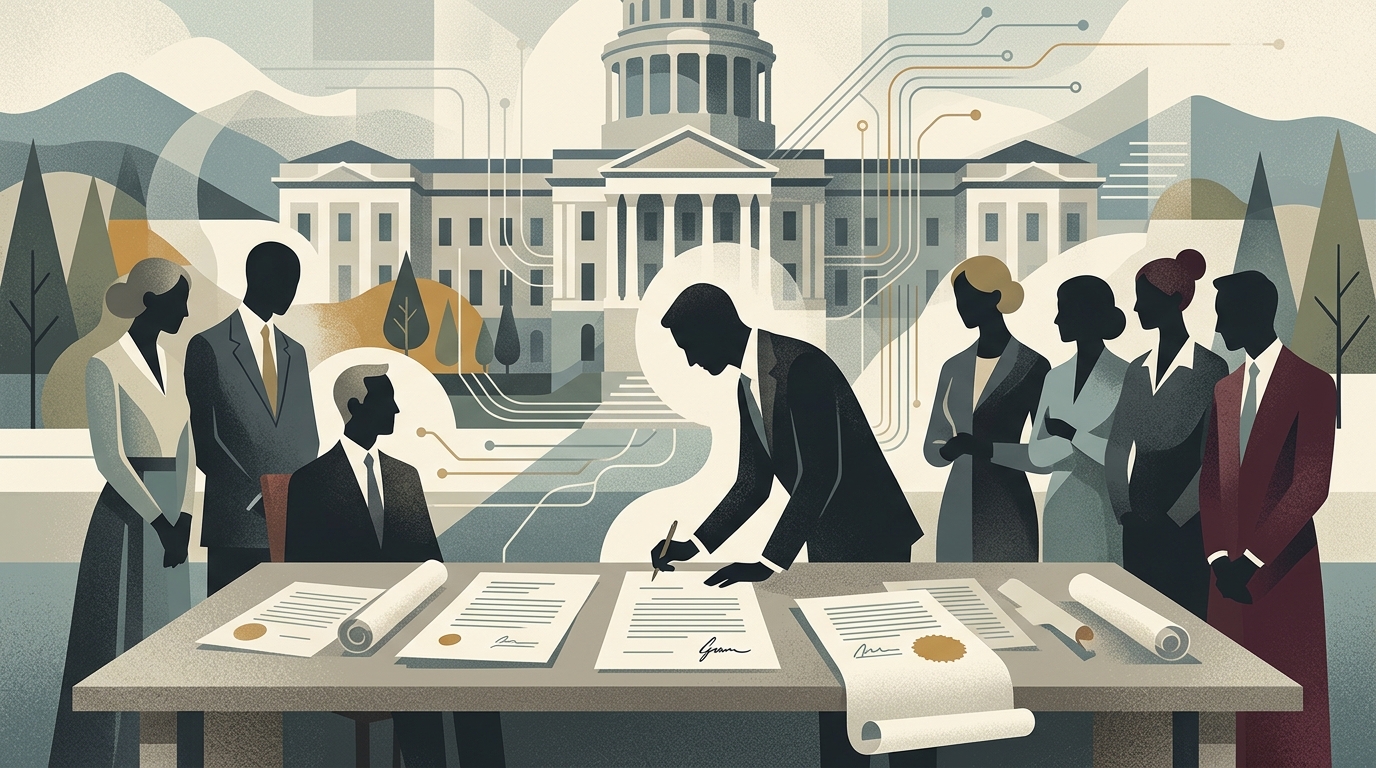
In a move that marks a historic shift in American technology policy, Colorado Governor Jared Polis has signed Senate Bill 24-205, making his state the first in the nation to adopt a comprehensive regulatory framework for Artificial Intelligence (AI). This action is not merely a local legislative feat; it is a resonant response to the federal vacuum in Washington and an attempt to balance rapid innovation with the protection of fundamental civil rights.
The Core of the Law: Guarding Against Algorithmic Bias
The legislation focuses on what it terms "high-risk AI systems." These are algorithms that make critical life-altering decisions in sectors such as employment, banking, insurance, housing, and healthcare. The law imposes a "duty of care" on both developers and deployers of these systems, requiring them to implement measures to prevent algorithmic discrimination.
Such bias, often stemming from flawed training data, can lead to systemic discrimination against minorities or other vulnerable groups. Under the new law, companies are now required to conduct regular impact assessments and disclose to the public when AI is being used to make decisions that affect them. This transparency is considered the "holy grail" of ethical technology, allowing oversight where there was previously only a "black box" of code.
Political Chess and Polis’s Reservations
Despite signing the bill, Governor Polis did not hide his concerns. In an unusually candid signing statement, he expressed worry about creating a "patchwork" of different state laws that could stifle innovation. "Technology knows no borders," he noted, emphasizing that a small startup in Denver might struggle to comply with 50 different sets of regulations across 50 states.
Polis called on Congress to take action toward national legislation, while also leaving the door open for amendments before the law fully takes effect in 2026. This stance reflects a delicate balancing act: on one hand, protecting constituents from algorithmic overreach, and on the other, maintaining Colorado’s status as an attractive destination for tech companies.
Comparison with the European Model
It is impossible not to draw parallels between Colorado’s legislation and the European Union’s AI Act. While the EU’s approach is more holistic and punitive, the Colorado model focuses more on risk management and self-regulation under the oversight of the state's Attorney General. It does not provide for a private right of action—meaning citizens cannot sue companies directly—but instead grants enforcement power and the ability to levy fines to state authorities.
This "Americanized version" of regulation seeks to avoid the bureaucracy often attributed to Brussels, while remaining stringent enough to force tech giants to rethink their practices. The success or failure of Colorado will serve as a roadmap for states like California and New York, which are currently drafting similar bills.
Challenges Ahead
Implementing the law will be no small task. The technical complexity of auditing an algorithm requires specialized personnel that state agencies often lack. Furthermore, the tech industry is expected to lobby heavily for the loosening of terms before 2026. However, the message has been sent: the era of unchecked AI development is drawing to a close. Algorithms that decide who gets a loan or who gets hired will no longer operate in the shadows. Colorado has taken the first step, and the world is watching closely.




