

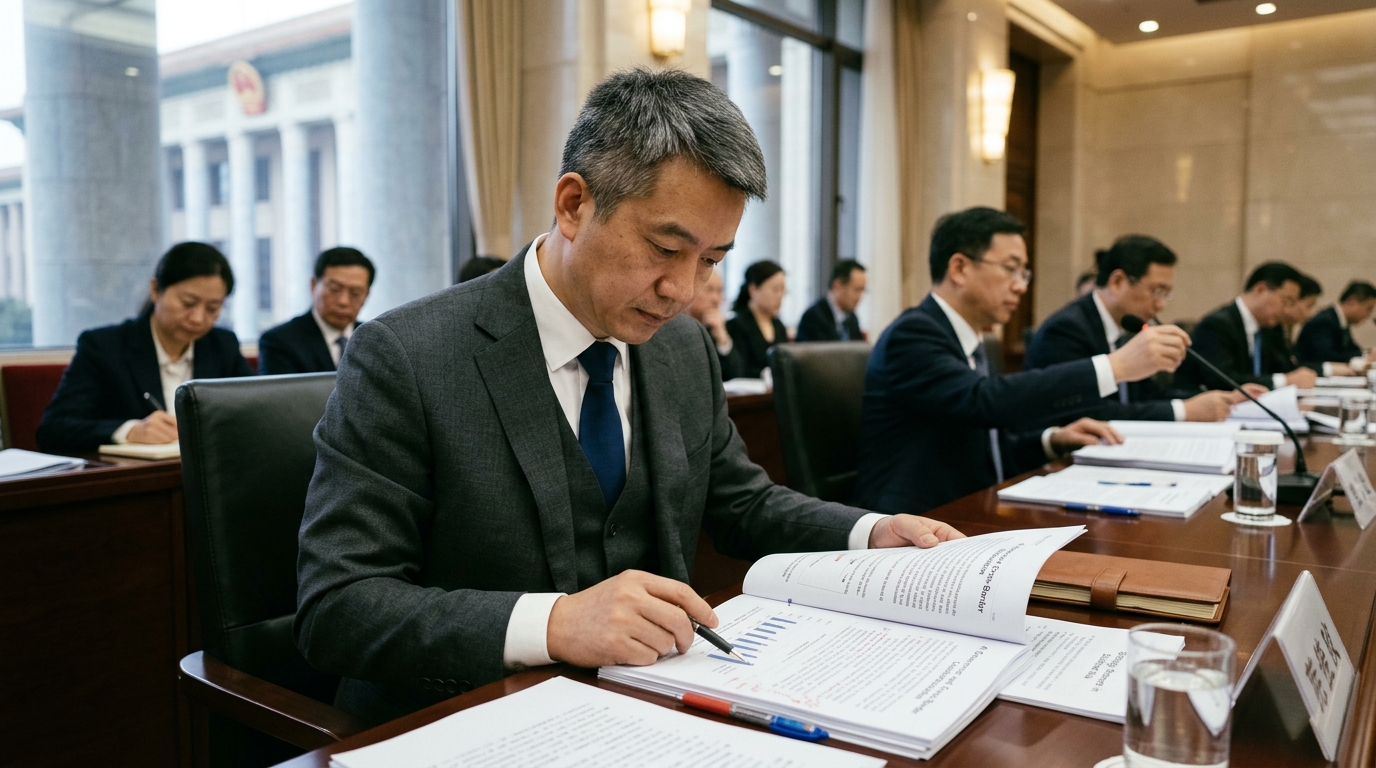
The global race for dominance in Artificial Intelligence (AI) is no longer just about raw computing power or algorithmic innovation. It has morphed into a high-stakes struggle to define the rules that will govern humanity's future. At the heart of this geopolitical chessboard lies Beijing, which, through a meticulously crafted strategy, seeks to export its AI governance model to Southeast Asia—a region of surging digital economies and immense strategic importance.
The Chinese Model: Sovereignty and State Oversight
China’s approach to AI governance is characterized by a delicate balance: fostering rapid innovation while maintaining strict state oversight. While the West, led by the European Union’s AI Act, focuses on individual rights and ethical guardrails, Beijing prioritizes the concept of "digital sovereignty." For the Chinese leadership, AI is a tool of national power that must align with the state’s values, social stability, and security interests.
In 2023, China unveiled its "Global AI Governance Initiative" (GCI), a direct response to Western efforts to set global standards. This initiative emphasizes respect for national sovereignty and opposes the use of AI to interfere in the internal affairs of other nations. In practice, Beijing is offering a compelling alternative to developing nations: technological advancement without the "burdensome" Western demands for human rights compliance and democratic accountability.
Southeast Asia as a Testing Ground
The ASEAN (Association of Southeast Asian Nations) region serves as the ideal laboratory for this strategy. With a population exceeding 670 million and a digital economy projected to hit $1 trillion by 2030, the region is hungry for infrastructure and technical expertise. Chinese tech giants like Huawei, Alibaba, and Tencent have already deeply embedded themselves in the local ecosystem, providing everything from cloud services to "smart city" solutions.
However, Beijing’s influence extends beyond hardware. It is increasingly shaping the regulatory landscape. Countries like Vietnam, Thailand, and Malaysia are closely observing the Chinese model of data management and content regulation. China’s rhetoric of "non-interference" resonates with governments that wish to modernize their economies without losing control over domestic political narratives. As an analysis in Eurasia Review notes, "Beijing isn't just selling code; it's selling a blueprint for how the state can survive and thrive in the digital age."
The Clash of Models and ASEAN’s "Third Way"
Washington is not standing idly by. Through initiatives like the Indo-Pacific Economic Framework (IPEF), the United States is attempting to promote an AI model based on open markets, transparency, and democratic values. The clash is fundamental: on one side, the West’s "democratic AI," and on the other, China’s state-centric model, often labeled as "authoritarian AI" by its critics.
Despite these pressures, ASEAN nations appear to be carving out a "third way." The recently released "ASEAN Guide on AI Ethics and Governance" is notably less prescriptive than the EU’s framework and more flexible than the US approach. ASEAN seeks to maintain its "centrality," avoiding a definitive choice between the two superpowers. They want US technology and investment, but they also need China’s infrastructure and proximity. This neutral stance, however, is becoming increasingly difficult to maintain as AI becomes integrated into critical national infrastructure, where choosing a provider often implies a long-term geopolitical commitment.
"The battle for AI standards in Southeast Asia will determine whether the 21st century is defined by a single, unified internet or a fragmented digital ecosystem divided into rival spheres of influence."
Conclusion and Future Outlook
Beijing’s strategy is a long game. By linking AI governance to the broader Belt and Road Initiative (BRI), China is creating a digital dependency that will be difficult to dismantle. For Southeast Asian nations, the challenge is to reap the benefits of Chinese technological prowess without sacrificing their own autonomy or becoming pawns in a superpower conflict. Artificial Intelligence is no longer a distant promise; it is the current frontier of diplomacy and power in the Indo-Pacific.





