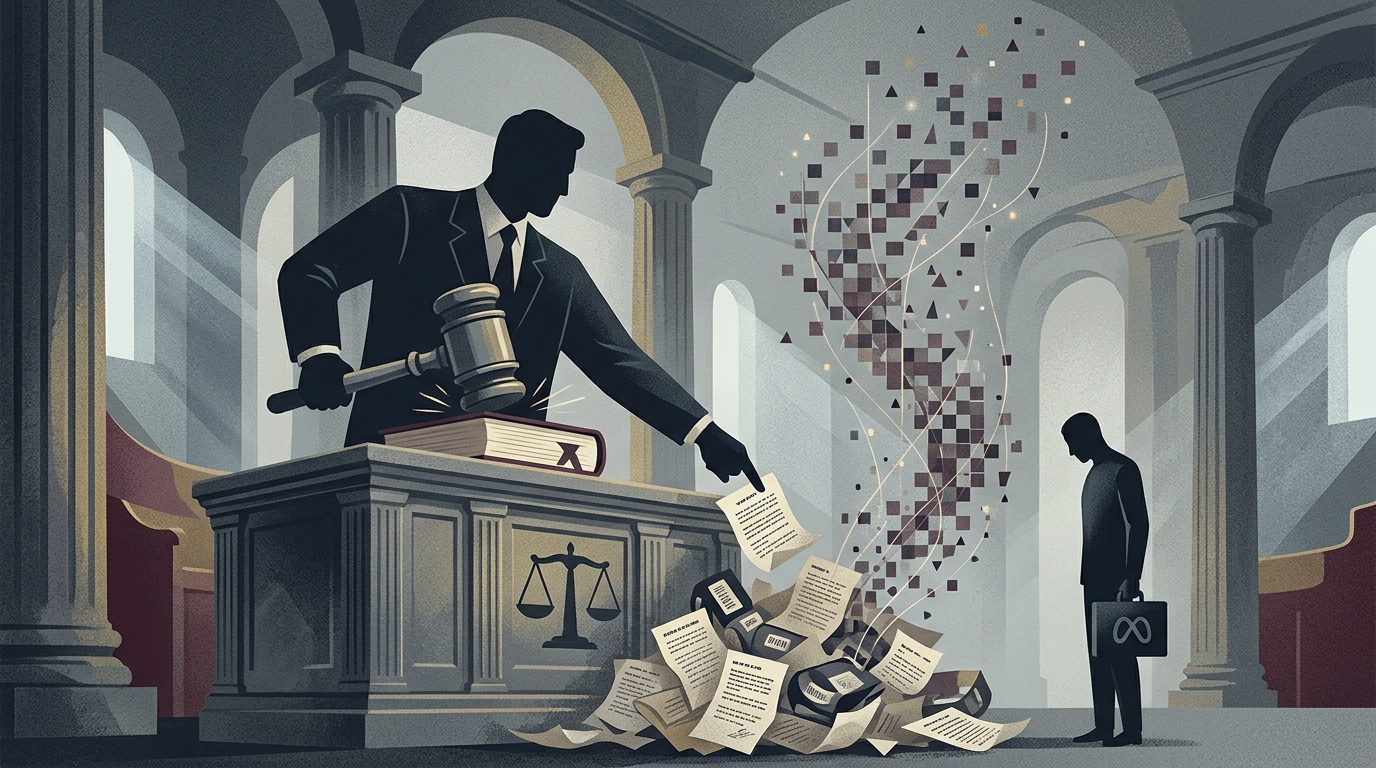
In a landmark ruling set to redefine the digital landscape of the Old Continent, the General Court of the European Union has dismissed Apple’s appeal against the European Commission's decision to designate it as a "gatekeeper" under the Digital Markets Act (DMA). This verdict is not merely a legal setback for the Cupertino-based tech giant; it is a resounding confirmation of Brussels' intent to rein in the overwhelming power of Big Tech.
Apple, which for decades built its empire around the "walled garden" business model, argued that designating the App Store and the iOS operating system as critical gateways was erroneous. The company’s legal team contended that such a move would jeopardize user security and privacy, opening the door to malware via third-party app stores. However, the court ruled that Apple’s market position is so decisive that intervention is necessary to ensure healthy competition.
Anatomy of a Legal Conflict
The core of the dispute lies in how Apple controls its app ecosystem. Under the DMA, companies designated as gatekeepers are required to allow users to install apps from sources outside the official company store (sideloading), use alternative payment systems, and uninstall pre-installed apps. Apple attempted to convince the court that the App Store is not a single service but a series of distinct markets—an argument that ultimately collapsed under judicial scrutiny.
The court in Luxembourg was clear: Apple exerts "significant influence on the internal market" and serves as an "important gateway" for business users to reach end consumers. This ruling strips Apple of the right to unilaterally impose the rules of the game, forcing it into an era of unprecedented transparency and interoperability.
Implications for Developers and Consumers
For app developers, this decision represents a massive victory. For years, companies like Spotify and Epic Games have denounced the "Apple Tax"—the 15% to 30% commission on sales—as abusive. With the gatekeeper status upheld, Apple is now legally obligated to allow developers to communicate directly with their customers regarding offers and to use their own billing systems.
- Freedom of Choice: EU users will soon be able to choose alternative app stores, potentially driving down prices through increased competition.
- Innovation: Smaller software companies will now have access to key Apple hardware features (such as the NFC chip for payments), which was previously an exclusive privilege of Apple Pay.
- Security: While Apple will continue to voice concerns, the EU maintains that security can be managed without stifling competition.
Europe as a Global Regulator
This development highlights once again the so-called "Brussels Effect." The European Union is not just regulating its own market; it is setting standards for the entire world. As Apple is forced to modify the iOS code for European users, regulators in the US, Japan, and South Korea are watching closely, preparing their own legislative maneuvers.
"Today's ruling sends a clear message: no company, no matter how large, is above the law or can act as a private regulator for an entire economy," stated a senior Commission official following the announcement.
Apple retains the right to appeal to the Court of Justice of the European Union (CJEU) on points of law, but the substance of the case appears settled. The era where Apple could dictate every detail of its users' digital lives in Europe is drawing to a close. The challenge now for the company is to maintain the profitability and user experience that made it famous while complying with a stricter democratic framework.