

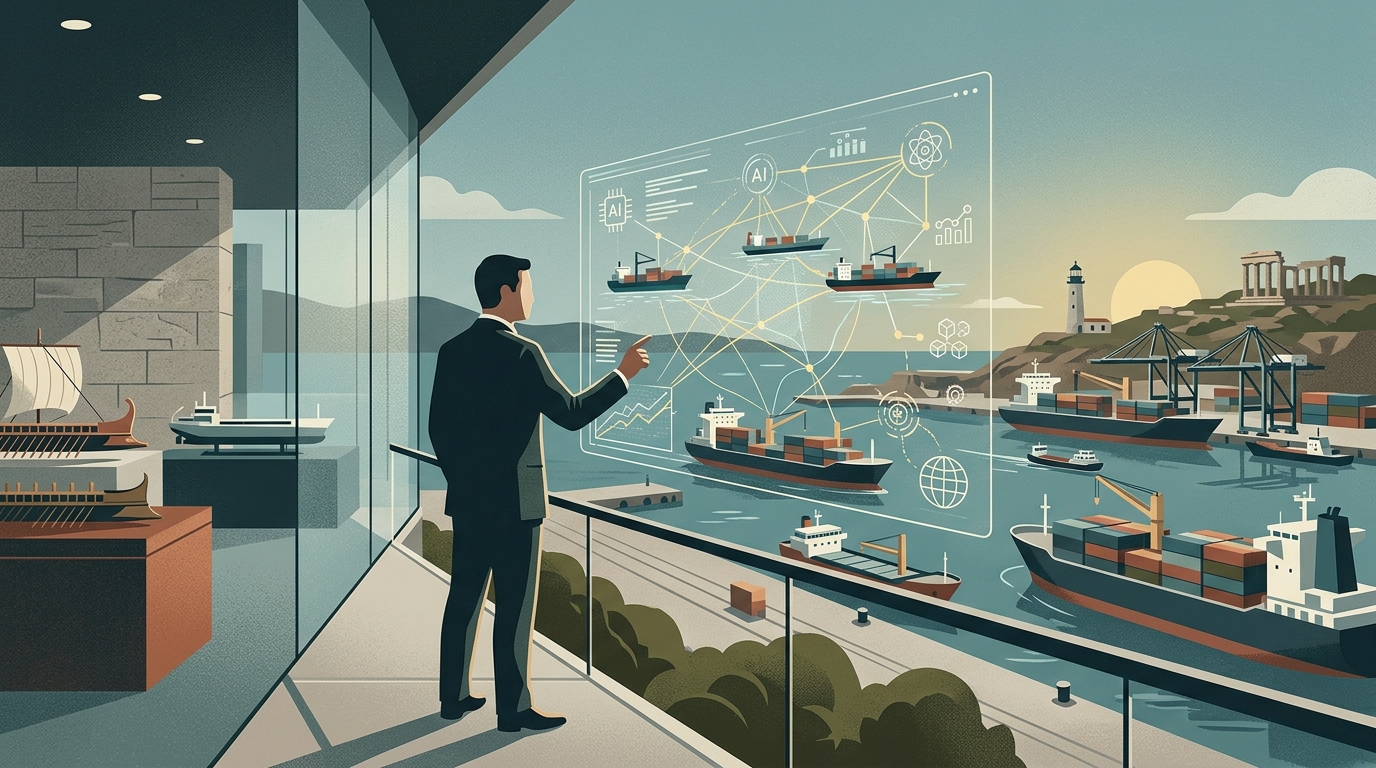
In an era where technology is redefining global balances, Greece, the world's preeminent maritime power, is called upon to align its long-standing tradition with cutting-edge innovation. From the port of Lavrio, a historic site gradually transforming into a modern maritime tourism hub, the Minister of Maritime Affairs and Insular Policy, Vassilis Kikilias, delivered a clear message: digital transformation is no longer an option, but a "national necessity."
The Strategic Significance of Lavrio
Lavrio was not chosen by chance for this announcement. As a gateway to the Cyclades and a significant center for yachting, the port serves as the ideal testing ground for new digital services. Minister Kikilias emphasized that infrastructure upgrades must go hand-in-hand with procedural simplification. The image of captains and agents running with stacks of papers from office to office belongs to another era—one that costs the Greek economy millions in lost man-hours and diminished competitiveness.
The transition to the digital age is about creating a comprehensive ecosystem where port authorities, charter companies, and tourists interact through unified platforms. This includes the e-Charter Party, the digitization of ship logbooks, and the automation of fee payments—elements expected to reduce bureaucracy by at least 40% within the next two years.
Artificial Intelligence and Port Management
Beyond simple document digitization, the Minister referred to the need for integrating advanced technologies, such as Artificial Intelligence (AI) and the Internet of Things (IoT), into port traffic management. AI usage can predict peaks in yacht traffic, allowing for better berth allocation and reduced delays. Simultaneously, "smart" sensors on piers can monitor energy and water consumption in real-time, promoting a more sustainable development model.
Digital transformation, according to Mr. Kikilias, is also a tool for transparency. The full traceability of charters and financial transactions ensures that the state collects the prescribed resources while simultaneously protecting legitimate professionals from unfair competition and illegal charters—a problem that has plagued the sector for decades.
The Blue Economy as a Pillar of Growth
Maritime tourism is one of the strongest assets of the Greek "Blue Economy." With the global yachting market growing rapidly, Greece competes with destinations like the French Riviera and Italy. However, the difference will be decided by the user experience. A high-income tourist demands speed and convenience. The ability to complete all entry and exit procedures from a mobile phone is now the minimum requirement.
Mr. Kikilias concluded his speech by stressing that the government is determined to proceed with deep structural reforms. "It's not just about code and software," he noted, "but about a change in mindset that puts the citizen and the visitor at the center." The challenge now shifts to implementation, as timelines are tight and market demands do not wait.
- Integration of digital platforms for yachting services.
- Implementation of AI systems for port traffic management.
- Strict crackdown on illegal charters through digital traceability.
- Investment in "smart" infrastructure at the Port of Lavrio.
In conclusion, the Ministry of Maritime Affairs' initiative in Lavrio represents a bet on the future. If Greece manages to marry its unsurpassed maritime expertise with digital efficiency, it will be able to safeguard its leading position on the global map, turning bureaucracy from a burden into a memory of the past.





