May 5, 2010, remains one of the darkest chapters in modern Greek history. The arson of the Marfin Egnatia Bank branch on Stadiou Street during massive anti-austerity protests claimed the lives of three people: Angeliki Papathanasopoulou (who was pregnant), Paraskevi Zoulia, and Epameinondas Tsakalis. For sixteen long years, the quest for justice remained an open wound, with investigations hitting walls of silence and insufficient evidence. Today, in 2026, technology and an unexpected turn of events seem to offer long-awaited closure.
The Anonymous Email and the 'Accidental' Photos
The new breakthrough in the case began with an anonymous email sent to the authorities, containing digital material that had never before seen the light of day. The key did not lie in the low-resolution CCTV footage of the time, but in personal photos from holidays and social gatherings. According to reports, this material belonged to individuals active in the anarchist and anti-establishment scene during that period and included snapshots from the summer of 2010, just months after the tragedy.
The significance of these photos lies in their high definition and the distinct features of the subjects. The anonymous source pointed to specific individuals, claiming that these 'holiday photos' depicted the same people who appeared with masked or partially covered faces in the grainy footage from Stadiou Street. What was needed was a bridge between then and now, between doubt and proof.
The Ascent of AI in Forensic Identification
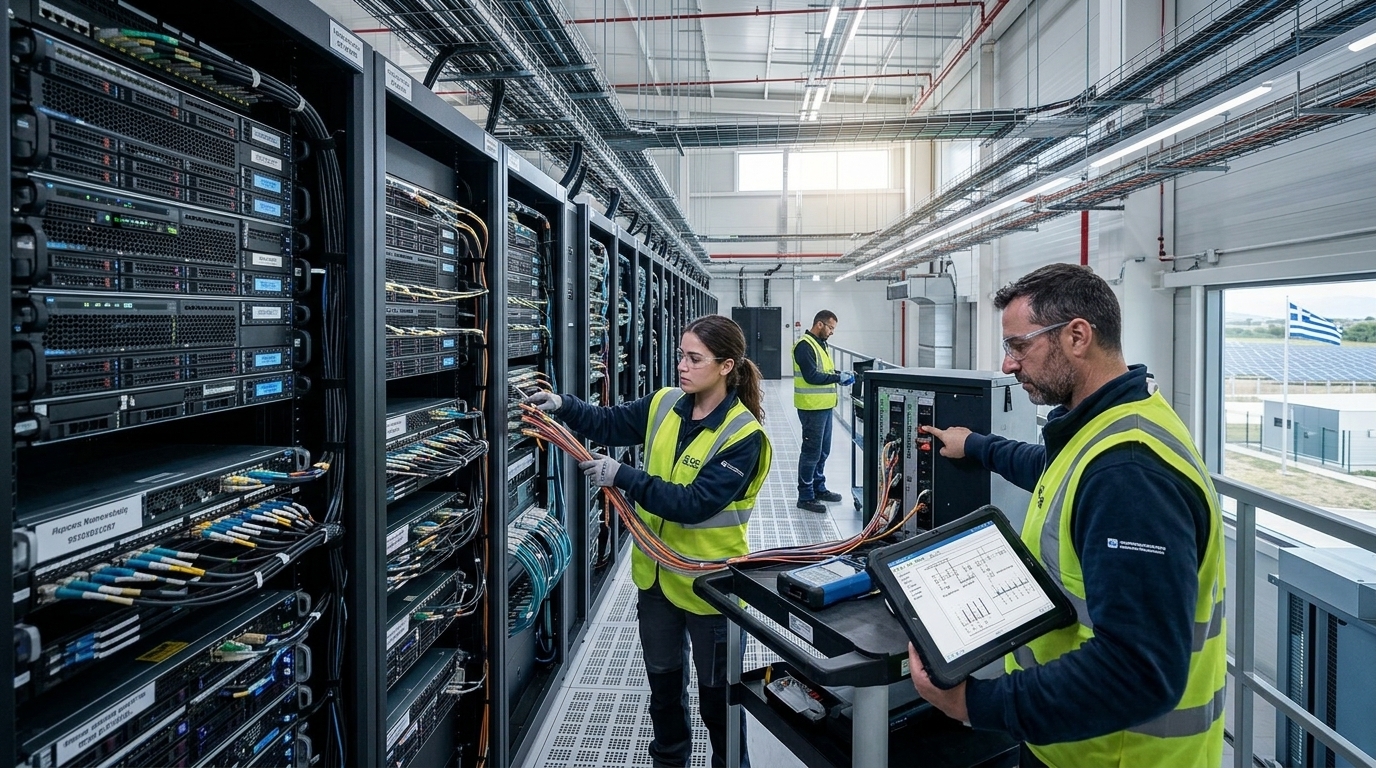
This is where the transformative role of Artificial Intelligence comes in. Greek authorities, in collaboration with specialized laboratories abroad, utilized deep learning algorithms and biometric analysis. The process went far beyond simple facial comparison. AI systems analyzed body structure, gait (the way a person walks), and specific anatomical features that remain unchanged over time.
The software managed to 'clean' the old security camera footage using super-resolution techniques and then performed millions of cross-references with the material from the 'holiday photos.' The results showed a high identification rate for at least two individuals who had not been major targets of the investigation until now. The AI's ability to recognize patterns that the human eye cannot detect, especially in low-quality footage, has broken the 16-year silence.
Social and Political Implications
The Marfin case was never just a criminal matter; it was deeply political. For years, the failure to identify the perpetrators fueled conspiracy theories and political polarization. The use of technology to solve such a case brings the debate over surveillance limits and state use of AI to the forefront. However, in the case of Marfin, public opinion seems to lean heavily in favor of justice, considering the crime so heinous that it justifies any available means.
- Identification was based on biometric data comparison from unofficial sources.
- The suspects had reportedly distanced themselves from protest movements in recent years, believing the danger had passed.
- The investigation now includes the analysis of digital footprints from old social media platforms that were not part of the original case file.
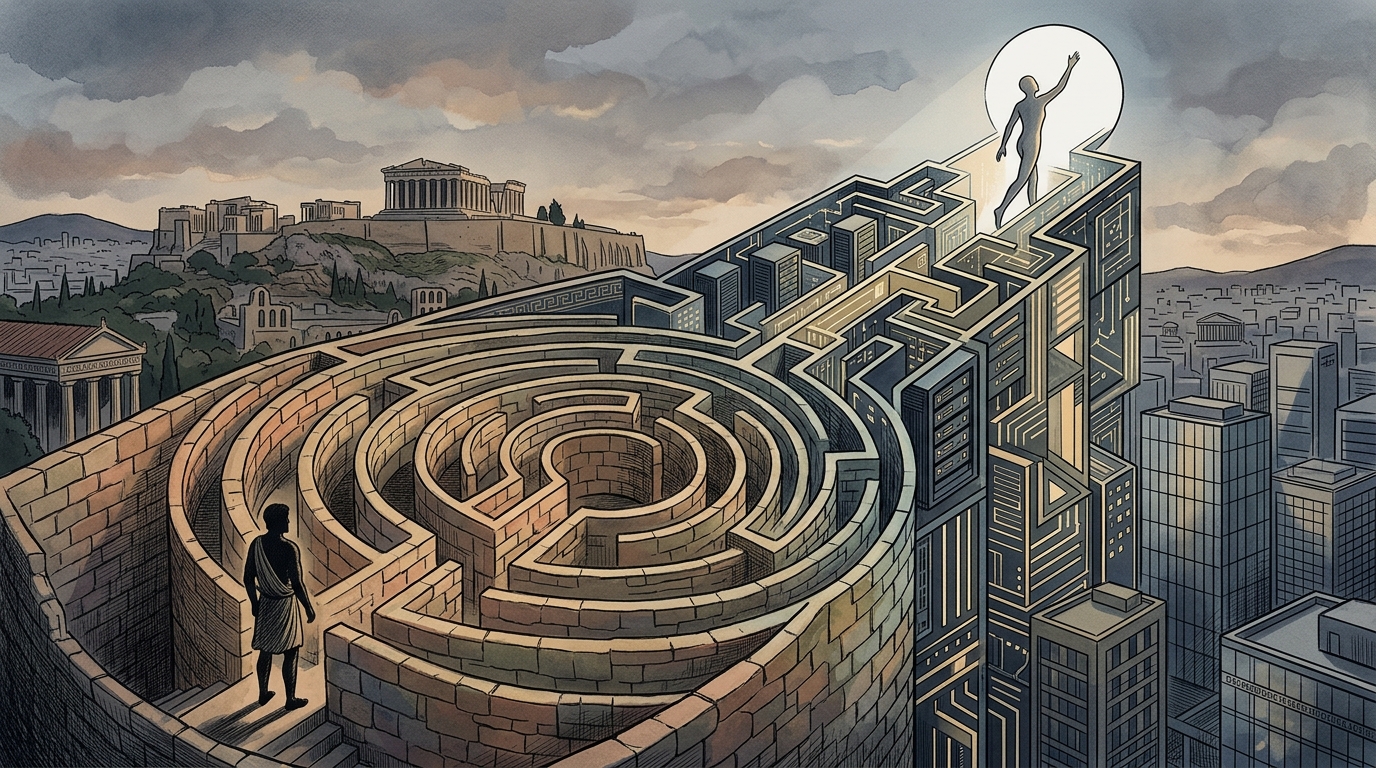
The reopening of the case serves as a powerful reminder that time does not erase crimes that have scarred collective memory. Justice, even with a 16-year delay, seems to be finding its way through bytes and algorithms, proving that technology can become the most potent tool in the hands of truth.
"We are not seeking revenge, but the recognition of the truth for that day. If technology can provide answers where humans remained silent, then it is welcome," stated a relative of one of the victims.
In the coming weeks, official announcements are expected from the Hellenic Police as the case file is enriched with these new findings. The challenge now moves to the courtrooms, where the validity of AI-derived evidence will be tested for the first time at such a high level in Greece.