

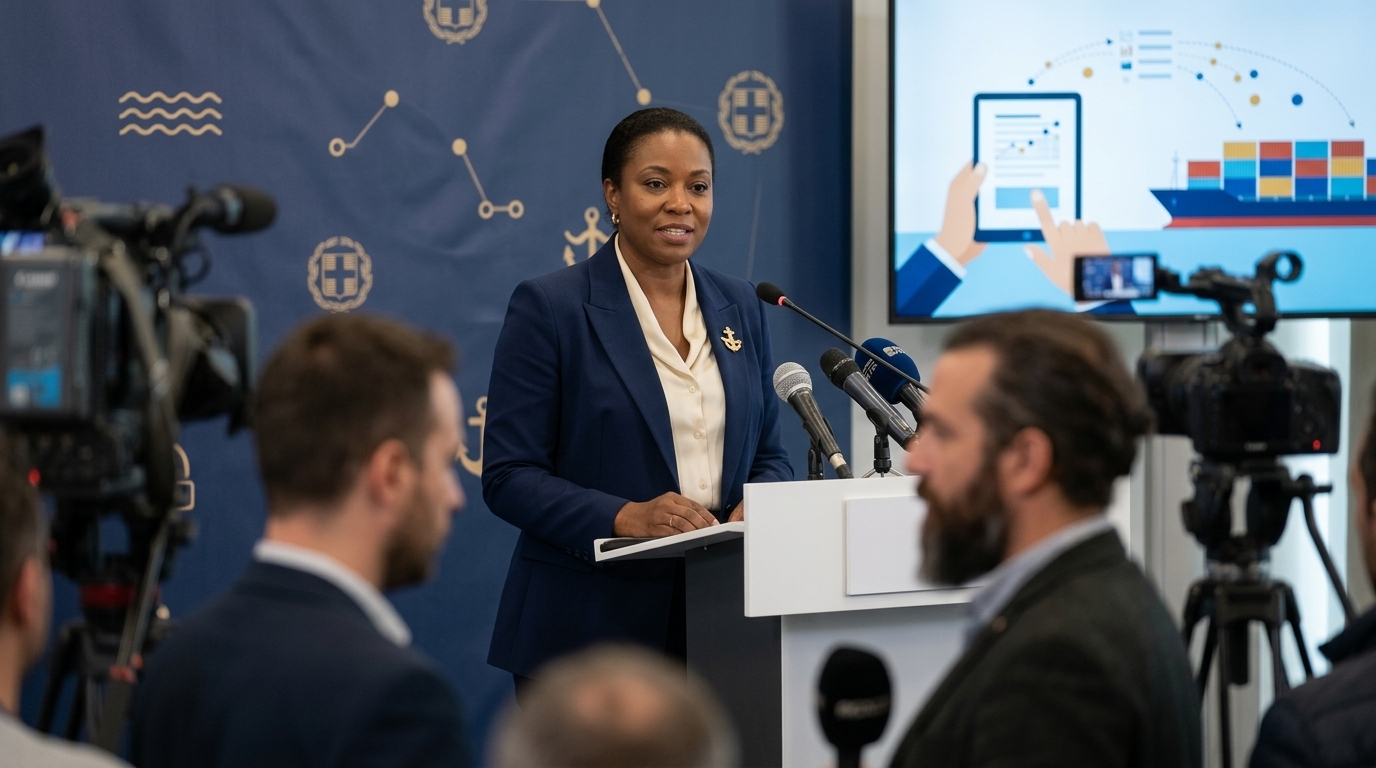
At a pivotal moment for Greek shipping, the government is proceeding with a radical restructuring of the administrative framework governing the relationship between the state and the people of the sea. The announcement of new measures to reduce bureaucracy and enhance transparency, as presented by the Ministry’s leadership, is not merely a technical upgrade but a profound shift in how the country treats its most valuable maritime resource: its human capital.
The End of the Paper Seaman's Book
For decades, Greek seafarers were trapped in a labyrinth of documents, stamps, and the requirement for physical presence at port authorities and service centers. The "Seaman's Book," the holy grail of a professional career at sea, is now being transformed into a digital format. This transition means that sea service, training certificates, and medical examinations will be automatically recorded in a central, tamper-proof system. Eliminating the need for manual entries drastically reduces the margin for error and the likelihood of non-transparent transactions that often plagued the sector.
This digitization is not just about convenience. It is a move that aligns Greece with leading global maritime hubs like Singapore and Norway. In an industry where time is money, the ability for a seafarer to renew their documents from the other side of the world via a mobile app is a critical advantage for maintaining the competitiveness of the Greek registry.
Transparency and Interoperability: The Heart of the Reform
One of the most significant aspects of the reform is the interconnection of databases between the Ministries of Shipping, Digital Governance, and Labor. Until today, the lack of communication between these entities forced seafarers to submit the same documents repeatedly. With the new system, information "travels" digitally. This ensures that pension rights, insurance coverage, and job rankings are calculated with absolute precision and without delays.
Furthermore, enhanced transparency is achieved through public access to statistical data and the ability to track the progress of requests in real-time. The seafarer will no longer wonder "where their file is." They will know at any given moment which official is processing their request and the expected timeline for completion. This accountability is what will strike at the root of the clientelist logic that often characterized administrative procedures in the past.
The Social Dimension and the Future of the Profession
Beyond the technocratic benefits, the reform has a strong social impact. Reducing bureaucracy means more quality time for the seafarer upon returning from a voyage. Instead of wasting time in queues and offices, they will be able to devote themselves to their family and rest. This improvement in quality of life is essential if we want to attract young people to the maritime profession, which is currently facing a global shortage of personnel.
Shipping is the pillar of the Greek economy, but seafarers are its heart. The commitment to a state that functions as a helper rather than a hurdle is the first step toward a national strategy that will keep the Greek flag at the top of the oceans. The challenges of the "green" transition and autonomous navigation lie ahead, and only with a modern, digital state can we face them with confidence.





