

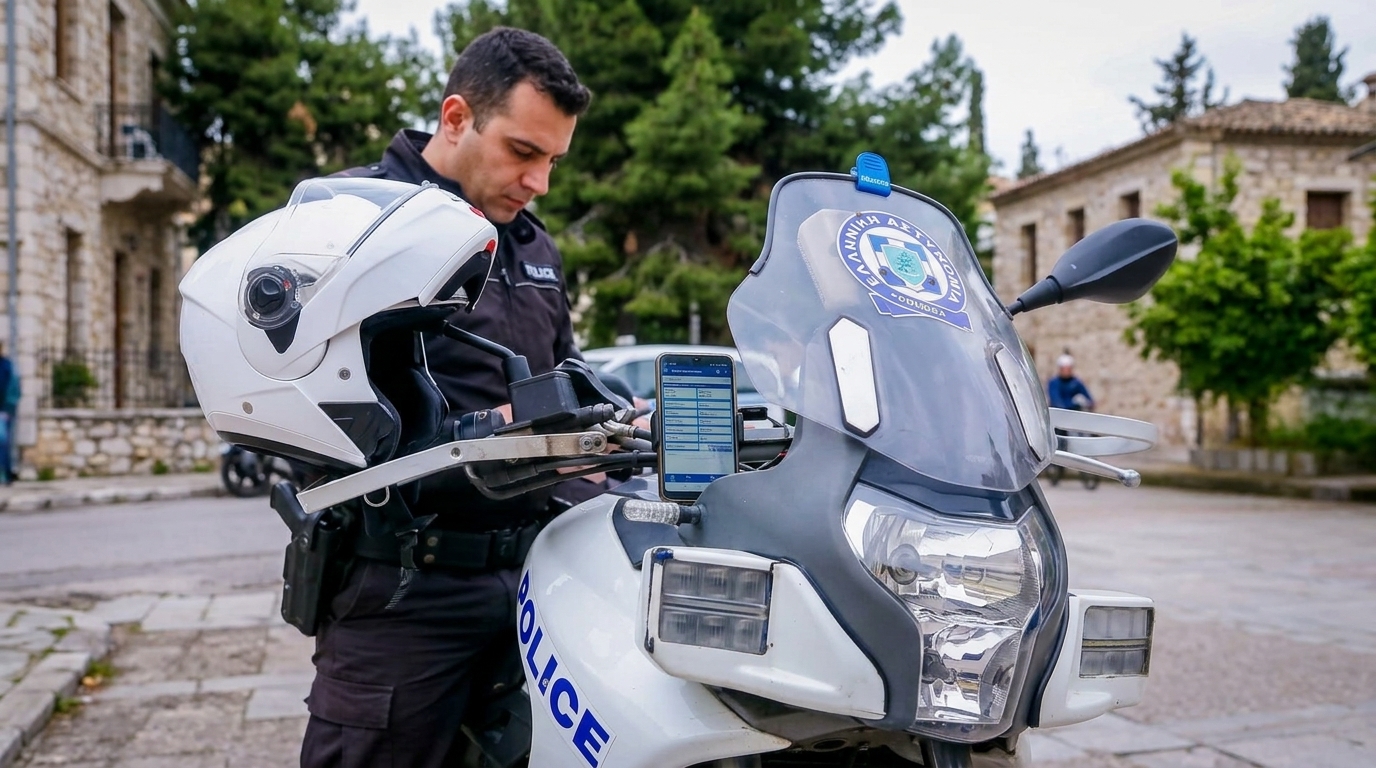
The recent arrest of a 22-year-old in Kifisia, accused of participating in a sophisticated telephone scam targeting an elderly woman, is more than just a daily police report. It is a symptom of a deeper social and technological malaise affecting Greece in 2026. With a haul reaching €120,000, this case brings to the forefront the chilling effectiveness of methods used by modern criminal networks, exploiting the most vulnerable emotion: love for one's family.
The Anatomy of a Well-Crafted Ruse
According to data from the Hellenic Police, the method used is the now-classic "hospital scam" or "traffic accident" ruse. The perpetrators, operating as members of a broader criminal organization, called the elderly victim pretending to be either police officers or doctors. The narrative is always the same: a close relative, usually a child or grandchild, has caused a serious accident or is hospitalized in critical condition, and money is urgently needed to avoid imprisonment or for an emergency surgery.
The 22-year-old arrested in Kifisia appears to have played the role of the "collector" or "mule." He is the person who comes into physical contact with the victim, often wearing a mask or hat, to collect the cash or valuables. The psychological pressure exerted on the victims is so overwhelming that it often leaves them no room to think logically or contact their loved ones.
The AI Factor and Voice Cloning
Although the use of AI tools has not been officially confirmed in this specific Kifisia case, global trends show that scammers are now turning to voice cloning. With a voice sample of just a few seconds, which can be harvested from a social media video, Artificial Intelligence can replicate a relative's voice with terrifying accuracy.
"Technology has made deception an industrial process. We no longer need talented actors, but simple software operators," says a cybersecurity expert.
In the future, authorities expect these scams to become even more complex, utilizing deepfake video calls, making it nearly impossible for an elderly person to distinguish truth from lies while in a state of shock.
The Social Dimension: Why the Elderly Remain the Target?
Targeting the elderly in affluent areas like Kifisia is not accidental. There is a belief that cash is available "under the mattress" or in safes, due to the traditional distrust some older people have toward the banking system. However, the problem is deeper and more social. The isolation of the elderly in modern cities makes them easy prey.
- Lack of digital literacy prevents understanding of new risks.
- Fear for the safety of loved ones bypasses all logical checks.
- The speed at which money is requested prevents verification of the facts.
Protection and Prevention: The Need for a "Human Firewall"
The arrest of the 22-year-old is a success for the Hellenic Police, but enforcement alone is not enough. A national information strategy is required. Families should establish "codewords" known only to their members to verify the caller's identity in case of an emergency. Furthermore, banks and authorities must cooperate more closely to detect unusual fund movements from elderly accounts.
The Kifisia incident serves as a loud reminder that in the age of over-information and AI, our greatest vulnerability remains our human nature. Protecting our parents and grandparents is not just a matter of policing, but a matter of social solidarity and continuous education.




