

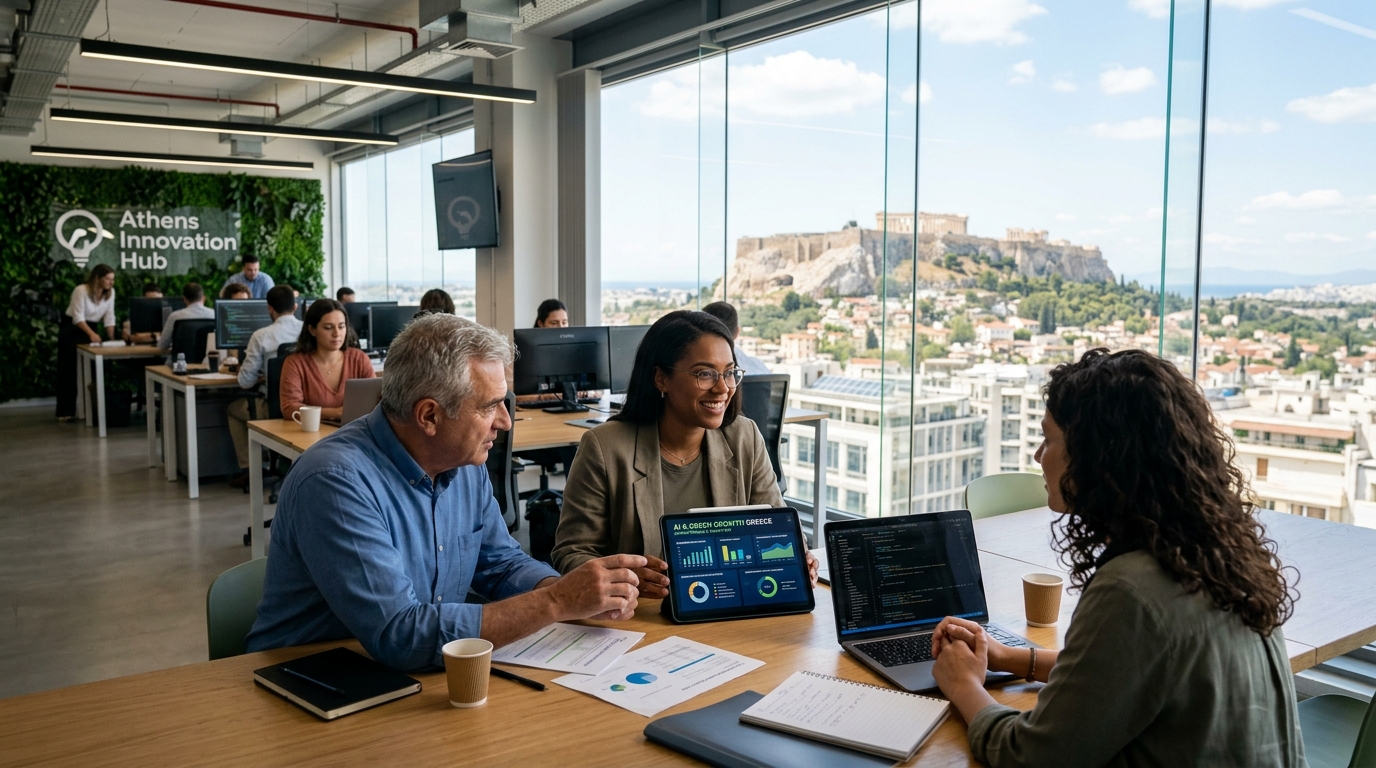
As of July 2026, the Greek labor market stands at a critical juncture, facing challenges that are no longer theoretical but directly felt in the daily operations of businesses and the lives of workers. Four major forces—the demographic crisis, the green transition, digital transformation, and the emergence of the "experience economy"—are reshaping the employment landscape, necessitating a new architecture of skills and strategy.
The Demographic Crisis as an Existential Challenge
The demographic issue is no longer a distant threat; it is a harsh reality directly impacting labor supply. With Greece's population aging and birth rates at historic lows, businesses are facing an unprecedented labor shortage, not only in specialized fields but also in traditional sectors. The shrinking workforce is forcing the market to seek solutions in automation and the integration of older workers into the productive process.
Simultaneously, reversing the "brain drain" remains imperative. Attracting Greeks from abroad requires more than just competitive salaries; it demands a work environment that promotes meritocracy and a healthy work-life balance. The "silver economy" is also emerging as a pillar of growth, as the demand for care services and products tailored to the elderly creates new job opportunities.
The Digital Revolution and Artificial Intelligence
Digital transformation has moved beyond simple computerization into the era of Artificial Intelligence (AI). In Greece, small and medium-sized enterprises (SMEs) are being called upon to adopt AI technologies to remain competitive. Work is no longer just about physical presence but about the ability to interact with intelligent systems. This creates a massive need for reskilling and upskilling.
- Automation of repetitive tasks in accounting and administrative services.
- Use of data analytics to predict consumer behavior and optimize supply chains.
- Development of cybersecurity skills as an essential tool for every office worker.
The challenge here is to prevent the digital divide from widening. While large corporations and the technology sector thrive, traditional sectors risk being left behind without central planning for the transition of the human workforce.
Green Transition and the Experience Economy
The shift toward sustainability is creating a new category of workers: "green-collar" professionals. From installing renewable energy sources to managing circular economy systems, skills related to the environment are now in high demand. Greece, with its rich natural capital, has the opportunity to lead in this sector, turning the green agenda into an employment engine.
"Labor in Greece is no longer a question of quantity, but of quality and adaptability to new environmental and technological mandates."
Finally, the "experience economy" is changing how we perceive tourism and services. Today's consumer does not just buy a product; they buy an experience. This requires workers with high emotional intelligence, communication skills, and specialized knowledge in culture and gastronomy. In tourism, this means moving from the "sun and sea" model to personalized experiences that require higher specialization and offer better pay.
Conclusions for the Future
The Greek labor market of the future will be more digital, greener, and more focused on the human being as a provider of unique experiences. However, the demographic hemorrhage remains the primary obstacle. The success of this transition will depend on the speed at which the educational system aligns with market needs and the willingness of businesses to invest in their most important resource: their people.





