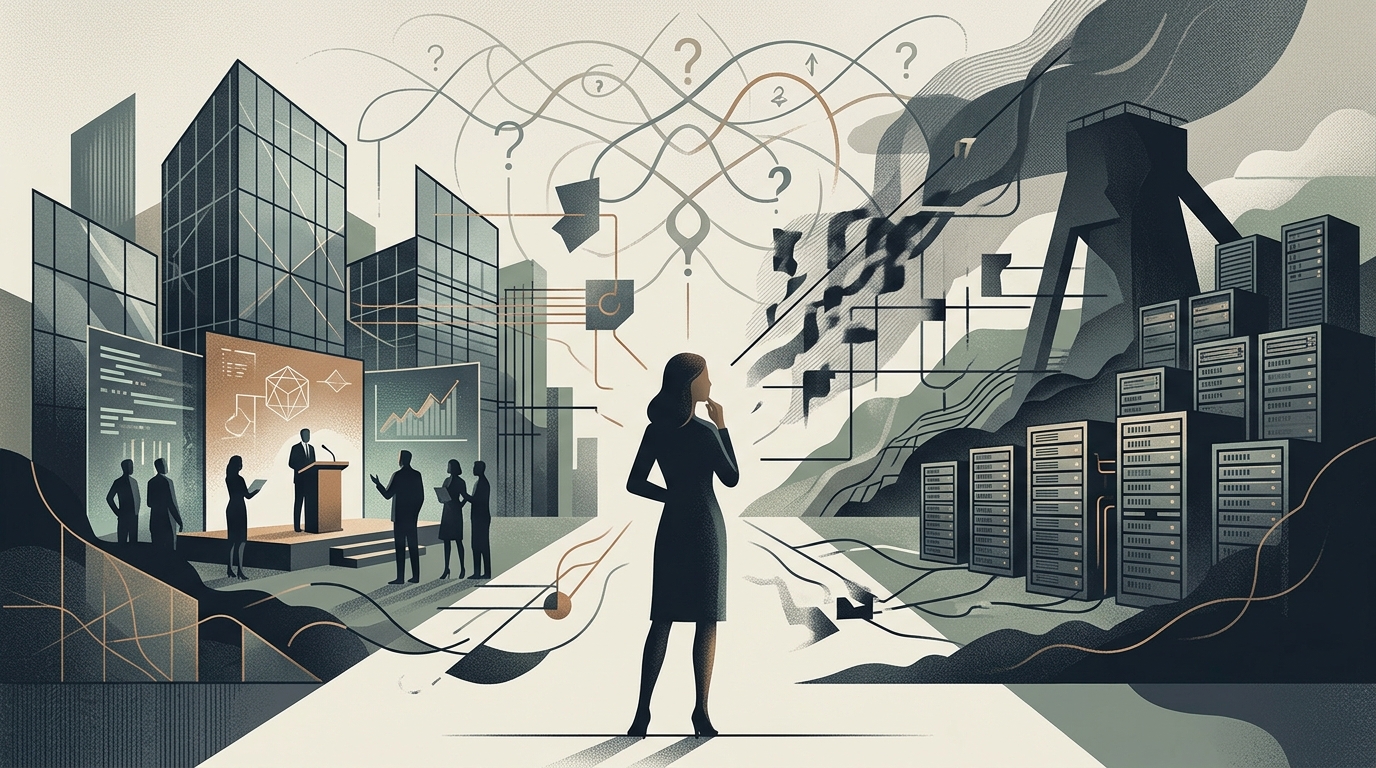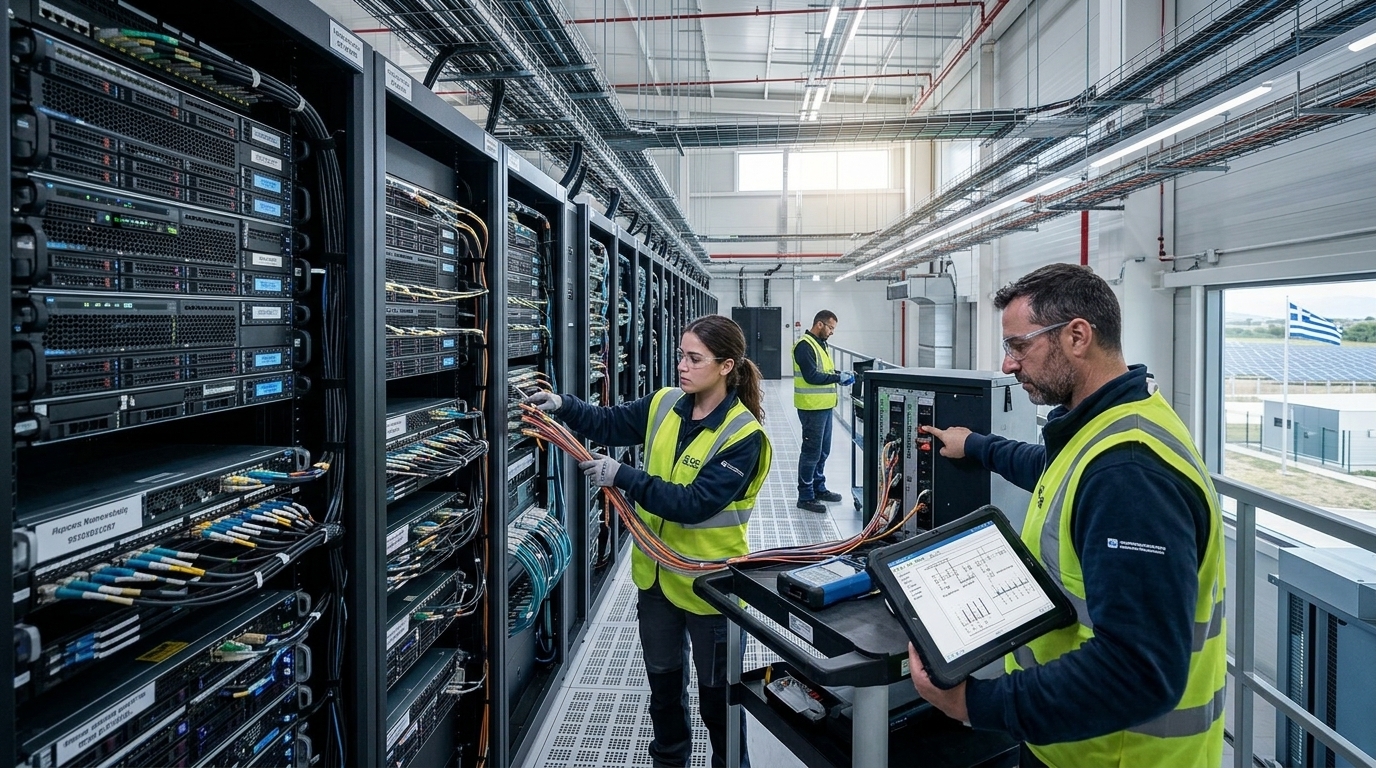
In a global economic landscape defined by 'polycrisis'—a convergence of geopolitical tensions, climate change, and technological disruption—the concept of competitive advantage is undergoing a radical transformation. The recent episode of Fortune Greece’s Business Monitor highlights a crucial truth: the dominant organizations of the next decade will not be those that simply adopt technology, but those that successfully synthesize digital intelligence with human empathy and sustainable growth.
AI as a Catalyst, Not a Panacea
The discourse surrounding Artificial Intelligence (AI) has shifted from early-stage hype to the necessity of meaningful integration. AI is no longer viewed as a 'magic wand' for productivity woes, but as a strategic partner. Within the business ecosystem, the challenge is twofold: closing the digital divide and training the workforce in skills that AI cannot replicate—at least not yet.
As emphasized in the Business Monitor, true advantage arises when organizations use data not just to forecast sales, but to gain a deeper understanding of human needs. 'Understanding human behavior,' a field traditionally reserved for psychology and sociology, is now a central pillar of business strategy. Companies investing in Behavioral Economics are gaining the ability to design products and services that align with the actual, often subconscious, desires of their audience.
ESG: From Compliance to Strategic Value
By 2026, ESG (Environmental, Social, and Governance) is no longer an optional report at the end of an annual balance sheet. It is the 'passport' for accessing capital and attracting talent. Sustainability has been transformed into a hard financial indicator. Businesses, facing strict European Union mandates (such as the CSRD), are discovering that the green transition can lead to significant reductions in operating costs through energy efficiency and circular economy practices.
"Sustainability is not a cost; it is an investment in resilience. Organizations that ignore their environmental footprint today will find themselves out of the market tomorrow," it was noted during the discussion.
However, the social dimension (the 'S' in ESG) is gaining particular weight. In an era of talent shortages, a corporate culture that promotes inclusion, mental health, and continuous learning is the strongest weapon in the war for talent. Gen Z and Gen Alpha employees are no longer seeking just a paycheck, but a sense of purpose that aligns with their personal values.
Soft Skills: The New Hard Currency
Paradoxically, the more work becomes automated, the more valuable human skills become. Critical thinking, creativity, negotiation skills, and emotional intelligence are the elements that differentiate a leader from a mere manager. Business Monitor underlines that an organization’s 'learning agility'—the ability to learn and unlearn quickly—is perhaps the only sustainable advantage in a world changing at an exponential rate.
Upskilling and reskilling are no longer one-off processes but a continuous state of being. Companies that create 'learning ecosystems' within their walls manage to adapt to market shifts before they become existential threats. Understanding human complexity allows management to build high-trust teams, which translates directly into decision-making speed and innovation capacity.
Conclusion: The Holistic Organization
The conclusion of the Business Monitor is clear: the winner of the next decade will be the 'holistic organization.' One that can balance profitability with social impact, and technological superiority with human connection. For businesses globally, and specifically in the Mediterranean region, this transition is a historic opportunity to move away from low-value-added models and position themselves as drivers of innovation and sustainability. Competitive advantage no longer resides in a single product, but in the collective capacity of an organization to evolve alongside society.